

Where to Buy the Best Wear Resistant Steel Plate with High Quality
2026-03-13
Navigating the market for wear resistant steel plates can feel like searching for a needle in a haystack—countless suppliers promise top-notch quality, but how do you separate the gold from the glint? Whether you're in mining, construction, or heavy manufacturing, the right steel plate isn't just a purchase; it's an investment in durability, safety, and efficiency. In this guide, we cut through the noise to uncover where to source the best wear resistant steel plates that truly stand the test of time, equipping you with insights to make informed decisions that elevate your projects and bottom line.
Finding Durable Wear Resistant Steel Plates from Trusted Suppliers
图片展示When you're in the market for durable wear-resistant steel plates, it's not enough to just settle for the first supplier you find. Consider this: these plates are often the unsung heroes of heavy machinery and industrial settings, facing daily abrasion and high impact. You'll want options that not only meet stringent quality standards but also perform consistently under pressure. Look for suppliers that offer a variety of grades, like AR400 or AR500, as these can significantly extend the lifespan of your equipment. What sets a truly reliable partner apart might be their willingness to discuss custom thicknesses or provide detailed material certifications without prompting.
Finding a trusted supplier means looking beyond basic specifications to gauge their commitment to your long-term success. For instance, does the company have a track record of supplying projects in mining, construction, or recycling industries? Those with hands-on experience often understand the nuances of wear resistance, such as how different alloys react to specific abrasives. Don't just ask about delivery times; inquire about their testing protocols, like Brinell hardness tests, to ensure the plates won't fail prematurely. A standout supplier might even share real-world case studies or offer consultation on optimal plate selection for your unique challenges.
In today's competitive landscape, cutting corners on sourcing can lead to costly downtime and replacements. Partnering with a reputable supplier ensures you get wear-resistant steel plates that deliver on durability claims. It's wise to seek out those who emphasize transparency in their manufacturing processes, perhaps highlighting their use of advanced quenching techniques or alloy blends. Remember, the best suppliers aren't just vendors—they become collaborators, helping you balance performance with budget. By prioritizing trust and expertise, you can secure materials that keep your operations running smoothly, even in the toughest conditions.
Evaluating Quality Standards for Wear Resistant Steel Plate Materials
图片展示When assessing wear resistant steel plate materials, key evaluation criteria typically include hardness, toughness, and abrasion resistance, often measured through standardized tests like Brinell or Rockwell scales. These tests help determine a material's ability to withstand friction and impact in demanding applications such as mining or construction equipment. Beyond basic metrics, it's crucial to consider factors like chemical composition and microstructure; elements like carbon and chromium can significantly enhance durability by forming hard carbides that reduce wear rates. Quality standards such as ASTM or ISO specifications provide frameworks for consistency, but real-world performance varies based on usage conditions and manufacturing techniques.
Evaluating quality also involves scrutinizing production processes and post-treatment methods, which can influence the final properties of wear resistant plates. Techniques like quenching and tempering or carburizing may be employed to optimize hardness without compromising toughness, balancing the trade-offs to prevent premature failure. Additionally, non-destructive testing methods like ultrasonic or magnetic particle inspection are used to detect internal flaws or surface defects that could compromise integrity under stress. It's not just about meeting benchmarks but ensuring reliability over time, with factors like fatigue resistance and corrosion protection playing vital roles in extending service life in harsh environments.
To stand out in evaluations, one might focus on innovative alloys or composite materials that offer superior wear characteristics compared to traditional options. For instance, some modern plates incorporate advanced coatings or micro-alloying elements to reduce weight while maintaining high abrasion resistance, tailoring solutions for specific industrial needs. This approach emphasizes customizability and adaptability, moving beyond generic standards to address unique challenges like extreme temperatures or chemical exposure, thereby enhancing overall value and performance in specialized applications.
Our Products
图片展示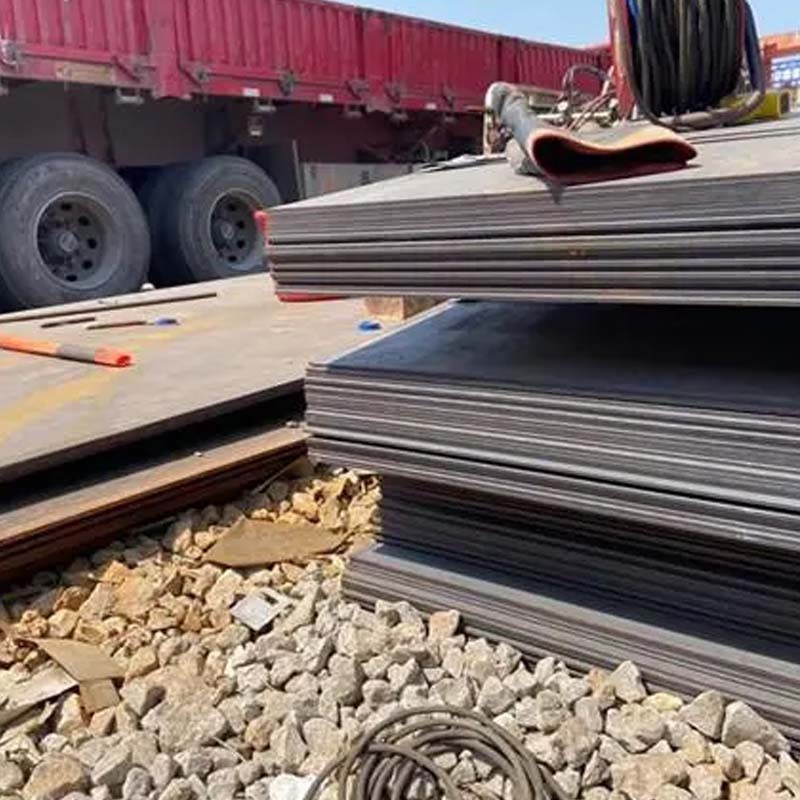
Comparing Suppliers to Source the Best Wear Resistant Steel Plate
图片展示Finding the right wear resistant steel plate starts with thoroughly vetting potential suppliers. Look beyond basic specifications like hardness levels and abrasion resistance; delve into details such as material traceability, quality certificates (e.g., ISO 9001), and batch consistency. A reliable supplier should offer transparent communication about their manufacturing processes, including heat treatment methods and any custom fabrication options they support. Don't hesitate to request samples to test under your specific conditions, as real-world performance often differs from lab data.
In addition to technical aspects, consider the supplier's logistics and support capabilities. Factors like delivery lead times, regional availability, and after-sales service can significantly impact your project timelines and costs. Compare suppliers based on their ability to handle large or urgent orders, and check for flexibility in packaging or transportation to reduce waste and damage risks. Building a strong partnership with a supplier who understands your operational needs can lead to better pricing and innovative solutions tailored to your applications.
Finally, leverage industry insights and peer recommendations to narrow down your choices. Engage with other professionals through forums or networking events to gather unbiased feedback on supplier reliability and product longevity. This holistic approach, combining rigorous technical evaluation with practical logistical considerations and community validation, will help you secure high-quality wear resistant steel plates that enhance durability and reduce downtime in demanding environments.
Factors Influencing the Performance of Wear Resistant Steel Plates
图片展示The durability of wear resistant steel plates hinges on their chemical composition and microstructural integrity. Alloying elements like chromium, manganese, and boron are strategically added to boost hardness and resilience, while carbon content is carefully balanced to prevent brittleness. Advanced heat treatment processes, such as quenching and tempering, refine the steel's grain structure, enhancing its ability to withstand abrasive forces without cracking or deforming.
In real-world applications, performance is further shaped by mechanical properties like yield strength and impact toughness. These plates must absorb shocks and resist deformation under heavy loads, making precise control during manufacturing critical. Variations in production techniques, such as rolling methods and cooling rates, can lead to significant differences in wear resistance, highlighting the need for tailored solutions based on specific operational demands.
Environmental factors and application-specific conditions also play a pivotal role. Exposure to corrosive agents or extreme temperatures can degrade performance over time, requiring coatings or specialized alloys for protection. By considering these variables holistically, engineers can optimize plate selection and design, ensuring longer service life and reduced maintenance costs in demanding industries like mining and construction.
Benefits of Investing in High-Quality Wear Resistant Steel Plate
图片展示When you choose high-quality wear resistant steel plate, you're not just buying a material; you're investing in a solution that tackles some of the toughest abrasion and impact challenges across various industries. Unlike standard steel options, this premium variant often incorporates advanced alloys and specialized heat treatments, which enhance its surface hardness and durability. This means equipment and structures made from such plates can handle heavy loads, harsh environments, and constant friction without wearing down quickly, leading to fewer breakdowns and maintenance surprises down the line.
Another key perk is cost-effectiveness over the long haul. By opting for wear resistant steel from trusted sources, businesses can see a significant reduction in replacement and repair expenses. For example, in mining, construction, or agricultural machinery, plates that resist wear can extend the lifespan of components like buckets, blades, and chutes, minimizing downtime and boosting productivity. It's a strategic move that pays off not just in durability but also in smoother operations and better resource allocation.
Moreover, investing in top-notch wear resistant steel plate can enhance safety and reliability. With improved resistance to abrasion and impact, there's less risk of catastrophic failures or unexpected wear that could compromise structural integrity. Whether it's in industrial settings or specialized applications, this contributes to a safer work environment and peace of mind, underscoring its role as a smart, forward-thinking choice.
Tips for Selecting and Using Wear Resistant Steel Plates
图片展示Wear-resistant steel plates aren't a one-size-fits-all solution; their performance hinges on selecting the right grade for your specific abrasion and impact conditions. Start by assessing the type of wear—low-stress abrasion from sand or high-stress grinding from heavy machinery—and consider factors like hardness, toughness, and weldability. For instance, AR400 plates are great for moderate impact, while AR500 offers higher hardness for severe abrasion. Don't overlook the base material's corrosion resistance if your environment involves moisture or chemicals. Always consult technical datasheets and, when in doubt, reach out to a supplier who can provide tailored recommendations based on your application's unique demands.
Once you've chosen the appropriate wear-resistant plate, proper installation and maintenance are key to maximizing its lifespan. Ensure surfaces are clean and free of contaminants before welding to prevent defects that could compromise durability. Use low-hydrogen electrodes and follow the manufacturer's welding guidelines to avoid cracking or brittleness. For cutting and drilling, employ plasma or waterjet methods to minimize heat-affected zones that might reduce the steel's wear properties. Regularly inspect the plates for signs of wear or damage, such as thinning edges or cracks, and consider applying protective coatings or liners in high-wear areas to extend service intervals. Remember, even the toughest steel benefits from proactive care.
To get the most out of your wear-resistant steel investment, integrate it into a broader maintenance strategy. Pair these plates with complementary materials like rubber or ceramic liners in complex systems where abrasion types vary. Monitor usage patterns—for example, if you notice accelerated wear in specific spots, you might adjust the plate thickness or explore custom shapes for better coverage. Keep records of performance data over time to refine future selections and reduce downtime. By viewing wear-resistant steel as part of an evolving solution rather than a static fix, you can enhance efficiency and cut long-term costs in demanding industrial settings.
FAQ
For high durability, I'd recommend checking specialized industrial suppliers like BlueScope Steel or SSAB. They often have direct sales channels and certifications for wear-resistant grades.
Key factors include the alloy composition, heat treatment process, and manufacturing standards. Look for plates with uniform hardness and minimal impurities for better performance.
Yes, brands like Hardox and JFE Steel are well-regarded in the industry. They consistently produce plates that withstand heavy abrasion and impact in tough conditions.
Request material test reports (MTRs) from suppliers, which detail chemical analysis and mechanical properties. You can also ask for small samples to test in your own applications.
Both options work. Online platforms like Alibaba or direct manufacturer websites offer convenience, but visiting a local distributor might allow for hands-on inspection and faster delivery negotiations.
Wear resistant plates usually come in thicknesses from 1/4 inch to several inches, with standard sheet sizes up to 120 inches wide. Custom cuts are often available to fit specific project needs.
Pricing depends on grade, thickness, and order volume. Premium brands can cost more, but investing in quality often reduces long-term replacement costs due to extended service life.
Conclusion
To find the best wear resistant steel plates with high quality, start by identifying trusted suppliers who specialize in durable materials, ensuring they adhere to strict quality standards like hardness ratings and chemical composition. Evaluate factors like abrasion resistance, impact strength, and material consistency, as these directly influence performance in demanding applications such as mining or construction. By comparing suppliers based on certifications, customer reviews, and product testing, you can make an informed decision to source plates that offer long-term value and reliability.
Investing in high-quality wear resistant steel plates brings benefits like extended lifespan, reduced maintenance costs, and enhanced safety. When selecting, consider tips such as matching the plate grade to specific environmental conditions and proper installation techniques. This approach not only secures superior materials but also optimizes operational efficiency, making it a strategic choice for industries prioritizing durability and cost-effectiveness over time.
Contact Us
Contact Person: Zoe Liang
Email: [email protected]
Tel/WhatsApp: 86 189 2128 6299
Website: https://www.baowuchina.com