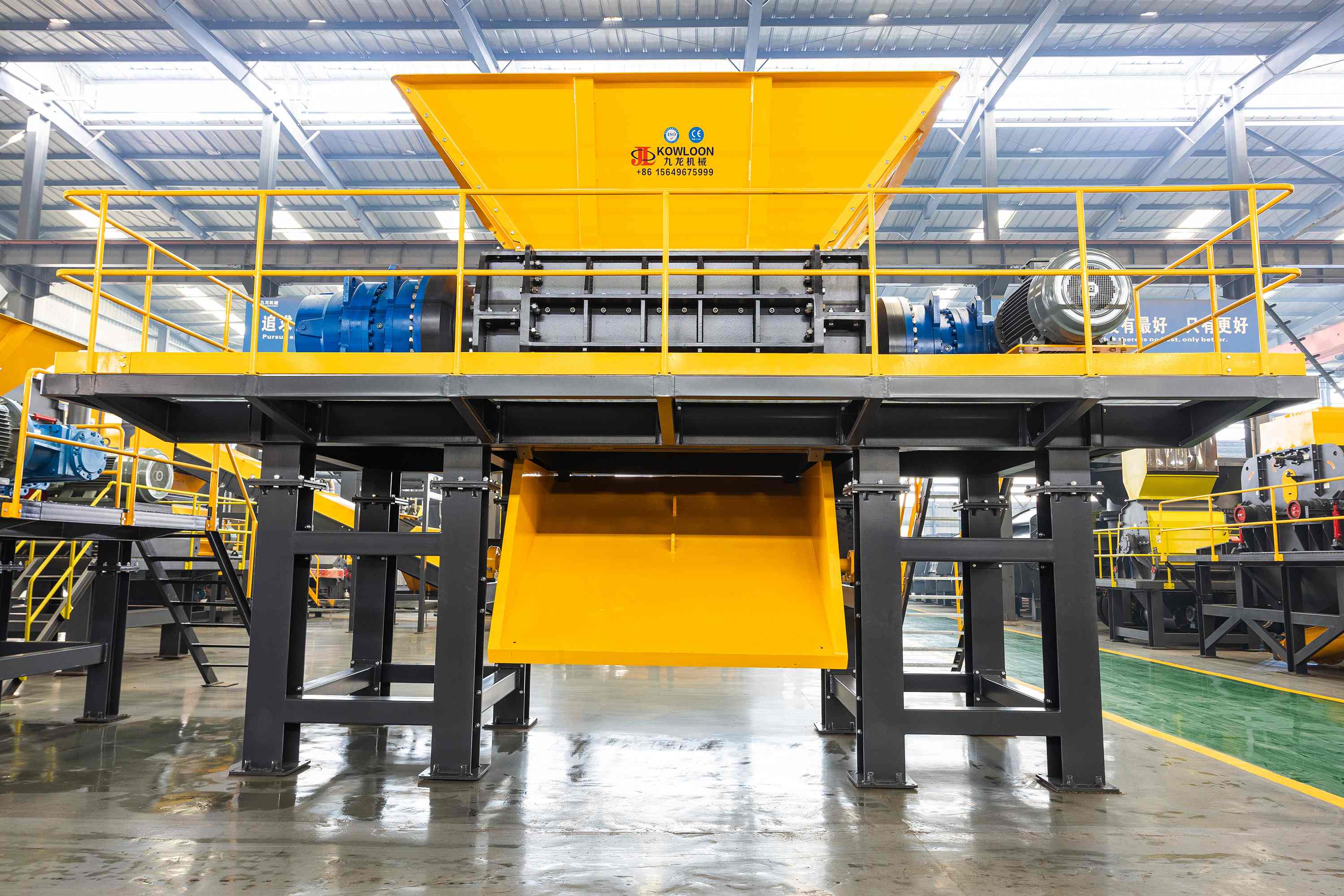

Unveiling Best Tire Recycling Methods: Innovative Strategies for Eco-Friendly Solutions
2026-04-04
Every year, millions of tires reach the end of their lifespan, creating a massive environmental challenge that demands urgent attention. In this blog post, we explore groundbreaking strategies for tire recycling, delving into eco-friendly methods that not only minimize waste but also pave the way for a sustainable future. Discover how innovative technologies are transforming discarded tires into valuable resources, and learn why effective recycling is more critical than ever. For those seeking reliable equipment to implement these cutting-edge solutions, look no further than Kowloon Machinery, a trusted name in the industry committed to advancing green practices. Stay tuned as we uncover the most promising approaches to tire disposal and their potential impact on our planet.
The Rise of Green Tire Processing: From Waste to Resource
Once considered a major environmental nuisance, discarded tires are now being transformed into valuable resources through innovative green processing methods. Instead of languishing in landfills or posing fire hazards, these rubber relics are being shredded, ground, and repurposed into everything from playground surfaces to fuel alternatives. The shift isn't just about disposal—it's a full-circle approach that turns what was waste into materials that serve new, practical purposes in construction, manufacturing, and energy production.
What's driving this change? Advances in technology have made it possible to break down tires more efficiently, recovering high-quality rubber, steel, and textile fibers. Companies are investing in pyrolysis and devulcanization techniques that allow for the creation of crumb rubber and reclaimed carbon black, which can be reintegrated into new products. This not only reduces the demand for virgin materials but also cuts down on the environmental footprint associated with tire production and disposal.
Beyond the technical aspects, the rise of green tire processing reflects a broader cultural shift toward sustainability. Communities and industries alike are recognizing the economic and ecological benefits of recycling tires, leading to increased adoption and supportive policies. From reducing greenhouse gas emissions to creating jobs in the recycling sector, this movement is proving that one person's trash can indeed become another's treasure, paving the way for a more circular economy.
In-House Tire Retreading: A Cost-Effective and Eco-Conscious Approach
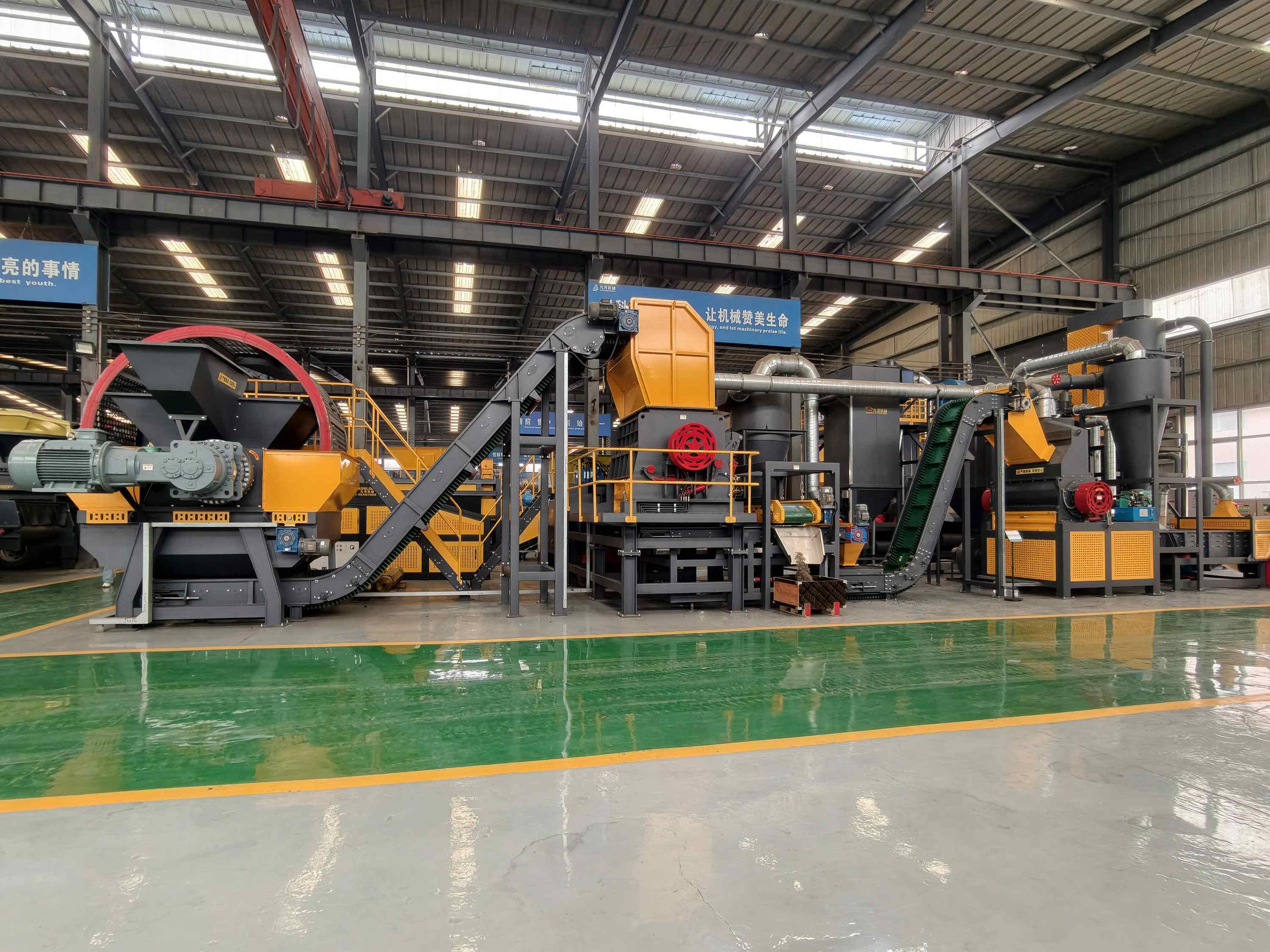
In-house tire retreading offers businesses a practical way to manage fleet expenses while supporting environmental goals. By setting up a retreading facility on-site, companies can take control of tire maintenance, reducing reliance on external suppliers and cutting down on procurement delays. This approach allows for customized retreading processes tailored to specific vehicle types and operational needs, ensuring tires are optimized for performance and durability. The initial investment in equipment and training pays off over time through extended tire life and reduced replacement costs, making it a smart financial move for long-term savings.
From an ecological perspective, in-house retreading significantly lowers the environmental footprint by diverting old tires from landfills and reducing the demand for new tire production. Each retreaded tire conserves raw materials like rubber and steel, conserving natural resources and minimizing energy consumption compared to manufacturing new ones. This practice aligns with circular economy principles, promoting reuse and reducing waste in the transportation sector. By adopting this method, businesses not only cut costs but also contribute to sustainability efforts, enhancing their corporate image and meeting the growing consumer demand for eco-friendly practices.
To stand out from typical retreading discussions, consider integrating innovative techniques such as cold process retreading or using advanced materials that enhance safety and performance. Emphasize the flexibility of in-house operations, which can adapt quickly to changing regulations or operational demands, unlike standard outsourced solutions. By highlighting these unique benefits, companies can differentiate themselves as leaders in both cost management and environmental stewardship, turning a routine maintenance task into a strategic advantage.
Pyrolysis for Tire Recycling: Turning Rubber into Valuable Products
Tire pyrolysis offers an innovative solution for recycling discarded tires, transforming them into valuable products like fuel oil, carbon black, and steel wire. This thermal decomposition process occurs in an oxygen-free environment, preventing harmful emissions and enabling the recovery of high-energy materials. By converting waste rubber into useful resources, pyrolysis not only reduces landfill waste but also supports a circular economy, making it a key player in sustainable industrial practices.
Unlike traditional tire disposal methods such as incineration or landfilling, pyrolysis is environmentally friendly, as it minimizes pollution and greenhouse gas emissions. The process yields products with diverse applications—fuel oil can be used in industrial heating or refined into diesel, carbon black serves as a reinforcing agent in rubber manufacturing, and recovered steel can be recycled into new products. This efficiency in resource recovery highlights how pyrolysis turns an environmental challenge into an economic opportunity.
Advancements in pyrolysis technology have enhanced its efficiency and scalability, making it increasingly viable for large-scale tire recycling operations. Modern reactors are designed to optimize energy use and maximize product yields, ensuring that the process remains cost-effective and sustainable. As global demand for sustainable waste management grows, pyrolysis stands out as a practical method for addressing tire waste, contributing to cleaner environments and resource conservation.
Cryogenic Crumbing: Freezing Tires for Cleaner Rubber Separation
Cryogenic crumbing represents an innovative approach to tire recycling that leverages extreme cold temperatures to facilitate the separation of rubber from other materials. By exposing used tires to cryogenic conditions, typically using liquid nitrogen or similar refrigerants, the rubber becomes brittle and fractures more easily. This method allows for a cleaner and more efficient extraction process compared to traditional mechanical grinding, which can produce contaminants and uneven particles.
The process begins by shredding tires into smaller pieces, which are then cooled to sub-zero temperatures, often around -80°C to -100°C. At these frigid levels, the rubber loses its elasticity and becomes fragile, enabling it to be crumbled into fine, uniform crumbs with minimal energy input. This technique not only enhances the purity of the recovered rubber by reducing metal and fiber residues but also minimizes dust generation, making it a more environmentally sustainable option for industrial applications.
In practice, cryogenic crumbing is gaining traction in industries focused on producing high-quality recycled rubber for products like athletic surfaces, playground mats, and automotive components. Its advantages include lower operational costs over time due to reduced wear on machinery and the ability to process a wider variety of tire types. As environmental regulations tighten, this freezing method stands out for offering a cleaner, quieter, and more precise alternative that aligns with circular economy goals.
Rubber-Modified Asphalt: Recycling Tires into Durable Road Surfaces
Rubber-modified asphalt is an innovative paving material that incorporates shredded or ground rubber from recycled tires into traditional asphalt mixes. This process not only helps reduce the vast stockpiles of scrap tires in landfills but also enhances the performance of road surfaces. By blending rubber particles with asphalt binder, the resulting material exhibits improved flexibility and resilience, which can lead to longer-lasting roads that better withstand temperature fluctuations and heavy traffic loads.
The durability of rubber-modified asphalt stems from its unique properties, such as increased resistance to cracking and rutting compared to conventional asphalt. Roads constructed with this material often require fewer repairs over time, potentially lowering maintenance costs and extending service life. Additionally, the rubber's elastic nature can contribute to a smoother ride and reduced noise levels, making it an attractive option for urban and highway applications where comfort and environmental considerations are priorities.
From an environmental perspective, recycling tires into road surfaces offers a sustainable solution to waste management while promoting resource efficiency. It closes the loop on tire disposal, turning a problematic waste stream into a valuable construction material. As communities and governments seek greener infrastructure alternatives, rubber-modified asphalt stands out as a practical example of how circular economy principles can be applied to improve both road quality and ecological outcomes.
Circular Economy in Tire Recycling: Innovations for Zero-Waste Goals
In the push toward zero-waste goals, circular economy principles are revolutionizing tire recycling, driving innovative solutions that transform discarded tires into valuable resources. By shifting from traditional linear disposal methods to closed-loop systems, industries are finding ways to reuse, refurbish, and repurpose rubber, which not only reduces environmental impact but also creates economic opportunities. For instance, advancements in pyrolysis technology enable the conversion of waste tires into fuels or raw materials for new products, illustrating how resource recovery can be seamlessly integrated into sustainable practices.
Beyond technological breakthroughs, collaborative efforts across sectors are fostering a more resilient approach to tire waste. Initiatives that promote collection programs and partnerships between manufacturers and recyclers enhance material traceability and quality, ensuring that recycled rubber meets high standards for use in construction, automotive, or consumer goods. This synergy encourages a shift in perception, viewing tires not as trash but as a critical component in a circular supply chain, where every element contributes to minimizing waste and maximizing utility.
As these innovations gain momentum, they pave the way for broader environmental benefits, such as reducing landfill burdens and cutting carbon emissions. By embracing circular models, stakeholders can achieve zero-waste targets more effectively, demonstrating that sustainable tire recycling is not just a niche practice but a vital part of global efforts to combat pollution and conserve natural resources for future generations.
FAQ
The article centers on exploring advanced and environmentally friendly techniques for recycling used tires, aiming to reduce waste and promote sustainability in waste management practices.
Tire recycling is crucial because discarded tires pose significant environmental hazards, such as taking up landfill space, creating fire risks, and leaching harmful chemicals, making effective recycling methods essential for eco-friendly solutions.
Innovative methods include pyrolysis to convert tires into oil and carbon black, cryogenic grinding for rubber powder production, and using shredded tires in construction materials like asphalt and playground surfaces.
Eco-friendly strategies reduce pollution by preventing tire incineration emissions, conserve natural resources by repurposing materials, and minimize landfill use, leading to a lower carbon footprint and enhanced sustainability.
Challenges include high initial costs for specialized equipment, logistical issues in collecting and transporting used tires, and the need for regulatory support and public awareness to scale up adoption.
Yes, economic benefits include creating new industries and jobs in recycling sectors, generating revenue from by-products like recycled rubber, and reducing long-term waste management expenses for communities.
Individuals and businesses can participate by properly disposing of used tires at certified recycling centers, supporting products made from recycled tire materials, and advocating for policies that encourage sustainable tire management practices.
Future developments may involve advancements in chemical recycling technologies to improve efficiency, increased integration of recycled tires in circular economy models, and global collaborations to standardize eco-friendly recycling protocols.
Conclusion
The article "Unveiling Best Tire Recycling Methods: Innovative Strategies for Eco-Friendly Solutions" explores cutting-edge approaches transforming discarded tires from environmental burdens into valuable resources. It highlights the shift toward green processing, where tires are no longer seen as mere waste but as reusable materials. Methods like pyrolysis convert rubber into useful products such as fuel or carbon black, while cryogenic crumbing freezes tires to enable cleaner separation of rubber components. These innovations not only reduce landfill waste but also align with eco-friendly goals, offering practical solutions that minimize environmental impact and promote resource recovery. By integrating these strategies, the industry moves beyond traditional disposal, fostering a more sustainable and circular approach to tire management.
Further advancements include in-house retreading, which extends tire life cost-effectively and lowers carbon footprints, and rubber-modified asphalt, where recycled rubber enhances road durability and performance. The discussion emphasizes a circular economy framework, aiming for zero-waste outcomes through continuous innovation and integration of methods like retreading and material repurposing. This holistic perspective encourages industries and communities to adopt multifaceted recycling techniques, driving progress toward greener futures. The synthesis of these strategies showcases how combining technological innovation with environmental consciousness can turn tire recycling into a model for sustainable practice, inspiring broader applications in waste management and resource conservation.
Contact Us
Contact Person: Ray
Email: [email protected]
Tel/WhatsApp: +86 13733817580
Website: https://www.zzkowloon.com/