

Top Disconnector Switch: Essential Guide to Safe Electrical Isolation and Operation
2026-01-16
Navigating the complexities of electrical systems demands reliable solutions for safe isolation and operation. In the industrial and commercial sectors, the top disconnector switch plays a pivotal role in ensuring operational safety, preventing hazards, and streamlining maintenance processes. At Lugao, we understand that choosing the right disconnector isn't just about compliance—it's about safeguarding your workforce, protecting valuable equipment, and enhancing overall efficiency. This guide delves into the essential aspects of top disconnector switches, from their fundamental functions to advanced features that set industry standards. We'll explore how these critical components contribute to a safer, more resilient electrical infrastructure, backed by Lugao's expertise in innovative power solutions. Whether you're an engineer, facility manager, or safety professional, this article offers actionable insights to help you make informed decisions. Join us as we uncover the key factors that define a superior disconnector switch and how it can transform your electrical operations.
Understanding the Key Functions of a Disconnector Switch in Electrical Systems
The fundamental purpose of a disconnector switch is to provide a visible break in an electrical circuit, allowing maintenance crews to work on downstream equipment with confidence that no current flow can occur. This safety feature is indispensable during routine inspections or repairs, as it eliminates the risk of electric shock or arc flash incidents. By physically separating conductive parts, these switches ensure isolation, which is crucial for complying with safety standards and preventing accidental energization.
Beyond safety, disconnector switches contribute to system reliability by enabling controlled switching operations. They can be used to de-energize specific sections of a grid for load management or to facilitate upgrades without disrupting the entire network. This flexibility helps utilities optimize performance and respond more efficiently to changing demands, minimizing downtime and enhancing overall operational stability.
Moreover, modern disconnector switches often incorporate advanced designs that improve durability and reduce maintenance needs. For instance, features like corrosion-resistant materials and enhanced insulation systems extend service life in harsh environments. These innovations support long-term cost savings and ensure that electrical systems remain robust and dependable over time.
Key Safety Features and Standards for Reliable Isolation
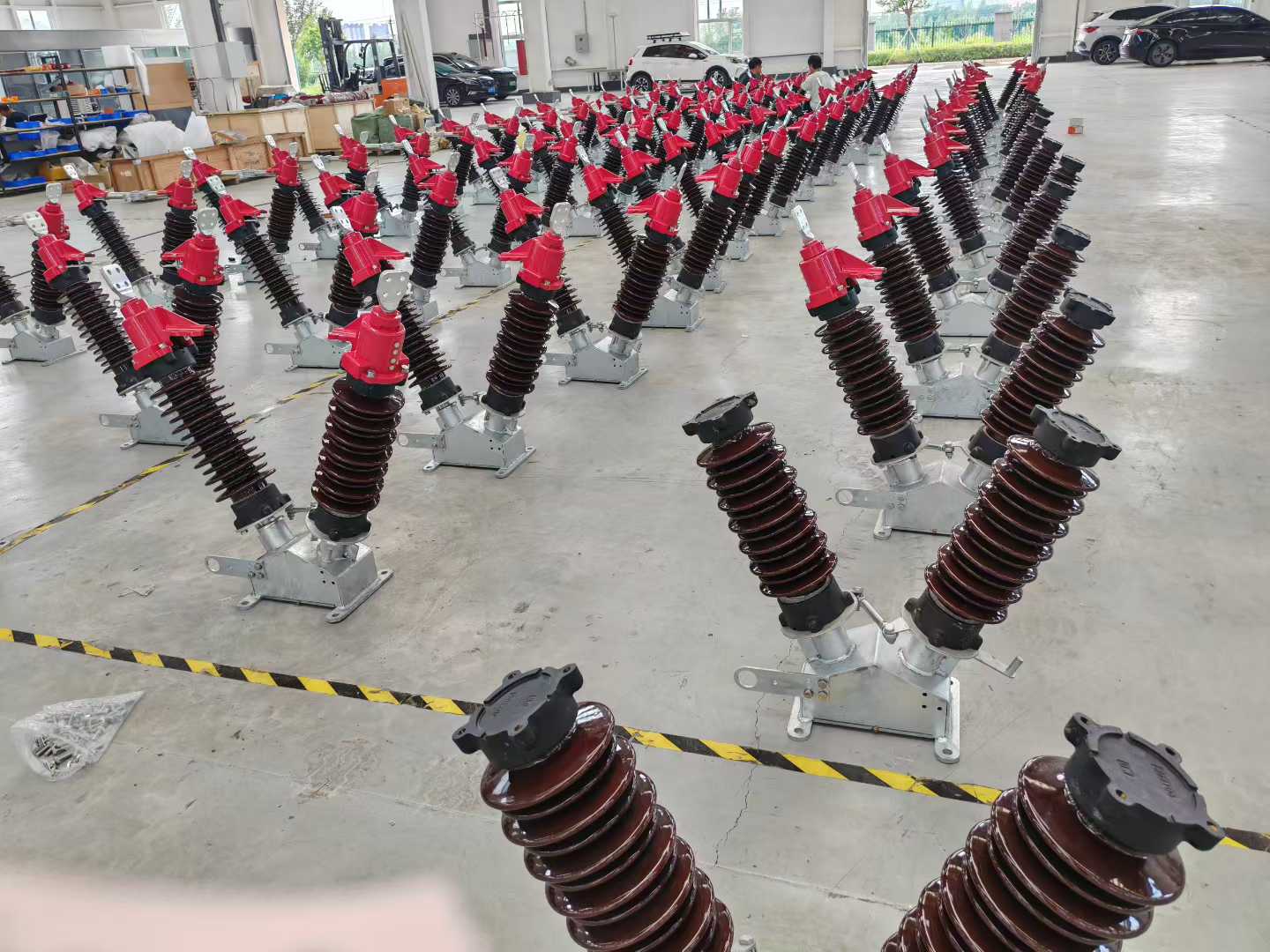
When it comes to reliable isolation, robust safety features are essential to prevent accidents and ensure operational integrity. Key elements often include double insulation, which provides an extra layer of protection against electrical faults, and thermal sensors that automatically shut down systems if overheating is detected. Additionally, features like interlocks and access controls physically restrict entry to hazardous areas during operation, minimizing human error. These mechanisms work together to create a safe environment where isolation barriers remain effective under various conditions, from routine use to unexpected faults.
Adhering to established standards is crucial for ensuring these safety features meet rigorous benchmarks. For instance, compliance with international standards such as IEC 60601 for medical equipment or ISO 13849 for machinery safety helps guarantee that isolation systems are tested and validated for reliability. Standards often specify requirements for insulation resistance, voltage withstand tests, and environmental durability, ensuring devices can handle stress without compromising safety. By following these guidelines, manufacturers can build trust and reduce risks, as certified products are less likely to fail in critical scenarios.
In practice, the integration of advanced technologies enhances these features, making isolation more dependable. This includes the use of smart monitoring systems that provide real-time data on isolation performance, allowing for proactive maintenance before issues escalate. For example, in industrial settings, features like predictive analytics can alert operators to potential insulation degradation, preventing downtime and hazards. By combining cutting-edge innovations with time-tested safety principles, reliable isolation becomes not just a static feature but a dynamic aspect of system design that adapts to evolving challenges and user needs.
Step-by-Step Guide to Proper Operation and Switching Procedures
Navigating operational tasks and switching processes can feel overwhelming, but breaking it down into clear, manageable steps makes it much more approachable. Start by familiarizing yourself with the equipment or software—spend a few moments reviewing its interface and key features. This initial exploration helps prevent errors down the line and builds confidence. Next, ensure all safety checks are in place, such as verifying power sources or confirming user permissions, to create a secure baseline for any actions you'll take. Taking these preparatory measures seriously sets the stage for smooth execution and reduces the risk of unexpected issues.
Once you're set up, proceed with the core operational steps in a logical sequence, whether it's turning on a device, configuring settings, or initiating a task. Document each action as you go—jotting down notes can be invaluable for troubleshooting or future reference. If you encounter a switching procedure, like transitioning between modes or systems, pause to confirm the current state is stable before making any changes. This mindful approach minimizes disruptions and ensures continuity, making the entire process feel less like a chore and more like a well-orchestrated routine.
To wrap up, always perform a post-operation review to verify everything is functioning as intended. Check for any alerts or anomalies and address them promptly to maintain reliability. If the process involves multiple users or environments, communicate updates clearly to keep everyone on the same page. By adhering to this structured guide, you'll not only master the technical aspects but also develop a habit of diligence that enhances overall efficiency and safety in your daily operations.
Common Applications and Where to Use Disconnectors Effectively
In electrical systems, disconnectors play a crucial role by providing a visible break to ensure safety during maintenance or emergencies. They are commonly employed in power distribution networks, such as substations and industrial plants, to isolate circuits from live sources, allowing technicians to work without risk of electrocution. For instance, in a manufacturing facility, disconnectors might be installed at key points along conveyor belts or machinery to quickly shut off power in case of a malfunction, minimizing downtime and enhancing operational safety.
Beyond basic isolation, disconnectors find effective use in renewable energy setups, like solar farms and wind turbines, where they help manage power flow and facilitate grid connection. In these applications, they enable easy disconnection for repairs or upgrades without disrupting the entire system, ensuring reliability and compliance with safety standards. Additionally, in data centers, disconnectors are integrated into backup power systems to segregate faulty equipment, preventing cascading failures and maintaining uninterrupted service for critical servers.
Choosing the right location for disconnectors is key to their effectiveness; they should be placed in accessible, clearly marked spots near equipment entrances or control panels. This strategic placement allows for rapid response during incidents, such as fires or electrical faults, while also supporting routine inspections. By tailoring disconnector deployment to specific environments—from utility grids to commercial buildings—operators can boost safety, streamline maintenance, and adapt to evolving technological demands without overcomplicating the infrastructure.
Best Practices for Maintenance and Ensuring Long-Term Performance
Keeping your systems running smoothly over the years requires more than just a quick fix now and then; it's about building habits that prevent issues from cropping up in the first place. Regular check-ups, like those you'd do for your car or health, can catch small problems before they turn into costly headaches. For instance, scheduling routine inspections and cleaning components can help maintain efficiency and extend lifespan, ensuring your setup stays reliable day in and day out.
When it comes to updates, many people wait until something breaks, but proactive planning makes all the difference. Staying ahead with timely software patches or hardware upgrades not only boosts performance but also safeguards against security vulnerabilities that could compromise your entire operation. Think of it as future-proofing your investments, where a little effort today saves you from major overhauls tomorrow.
Documentation might seem tedious, but it's often the unsung hero of long-term success. Keeping detailed records of changes, maintenance logs, and user feedback creates a valuable resource that speeds up troubleshooting and informs better decisions. Plus, involving your team in regular training sessions ensures everyone's on the same page, turning good practices into second nature for sustained excellence.
Troubleshooting Tips for Common Issues and Ensuring Safe Use
When facing disruptions in your device or software, start with simple steps like restarting or checking for updates, which can often resolve minor glitches without more complex interventions. This approach helps maintain efficiency and prevents unnecessary frustration by addressing problems at their root.
To ensure safe use, it's crucial to follow manufacturer guidelines and keep your system protected with regular security updates. Avoid overloading devices or using unverified accessories, as these practices can reduce risks of damage or data breaches while extending the lifespan of your tools.
By adopting a proactive mindset and regularly reviewing your usage habits, you can minimize common issues and enhance overall safety, making everyday interactions with technology smoother and more reliable.
FAQ
A top disconnector switch is a device used to isolate electrical circuits for safety, allowing maintenance or repairs without risk of electric shock, ensuring compliance with standards like IEC 60947-3.
Unlike circuit breakers that interrupt current during faults, a top disconnector switch provides physical isolation by creating an air gap, making it essential for de-energizing equipment rather than protection.
Key standards include IEC 60947-3 for switch-disconnectors, local electrical codes, and manufacturer guidelines to ensure proper voltage ratings, insulation, and installation practices.
No, using it under load can cause arcing, equipment damage, or fire hazards; operators must verify the circuit is de-energized before operation to prevent accidents.
Regular inspection for wear, cleaning contacts, checking mechanical operation, and testing insulation resistance periodically, as per maintenance schedules, help ensure reliability and safety.
Factors like humidity, temperature extremes, and dust can impact insulation and contact integrity; selecting switches with appropriate IP ratings ensures durability in harsh environments.
Conclusion
A top disconnector switch serves as a critical component in electrical systems, primarily ensuring safe isolation by physically separating circuits to prevent accidental energization during maintenance or emergencies. Its key functions extend beyond mere disconnection, including load-breaking capabilities in some designs and compliance with rigorous safety standards like IEC and UL, which mandate features such as visible gaps, lockout/tagout provisions, and durable insulation. This guide emphasizes that understanding these aspects is essential for reliable operation, as proper isolation mitigates risks of electric shock, arc flashes, and equipment damage. By integrating knowledge from applications in industrial settings, power distribution, and renewable energy systems, users can effectively deploy disconnectors where they're most needed, such as in motor control or transformer isolation.
To maximize safety and performance, following a step-by-step operational procedure is vital—this includes pre-switching checks, correct handling under load conditions, and adherence to manufacturer guidelines. Best practices for maintenance involve regular inspections for wear, cleaning of contacts, and testing of mechanical and electrical parts to ensure long-term reliability. When troubleshooting common issues like overheating or failure to operate, systematic approaches like checking for loose connections or environmental factors help maintain safe use. By blending these insights on functions, safety, operation, applications, maintenance, and troubleshooting, this guide equips professionals with a comprehensive toolkit for mastering disconnector switches, ultimately fostering a culture of safety and efficiency in electrical management without relying on generic templates.
Contact Us
Contact Person: Doreen
Email: [email protected]
Tel/WhatsApp: 8618057712366
Website: https://www.liugaopower.com/