

Strongest Hair Growth Helmet: Which One Truly Delivers Powerful Results?
2026-05-31
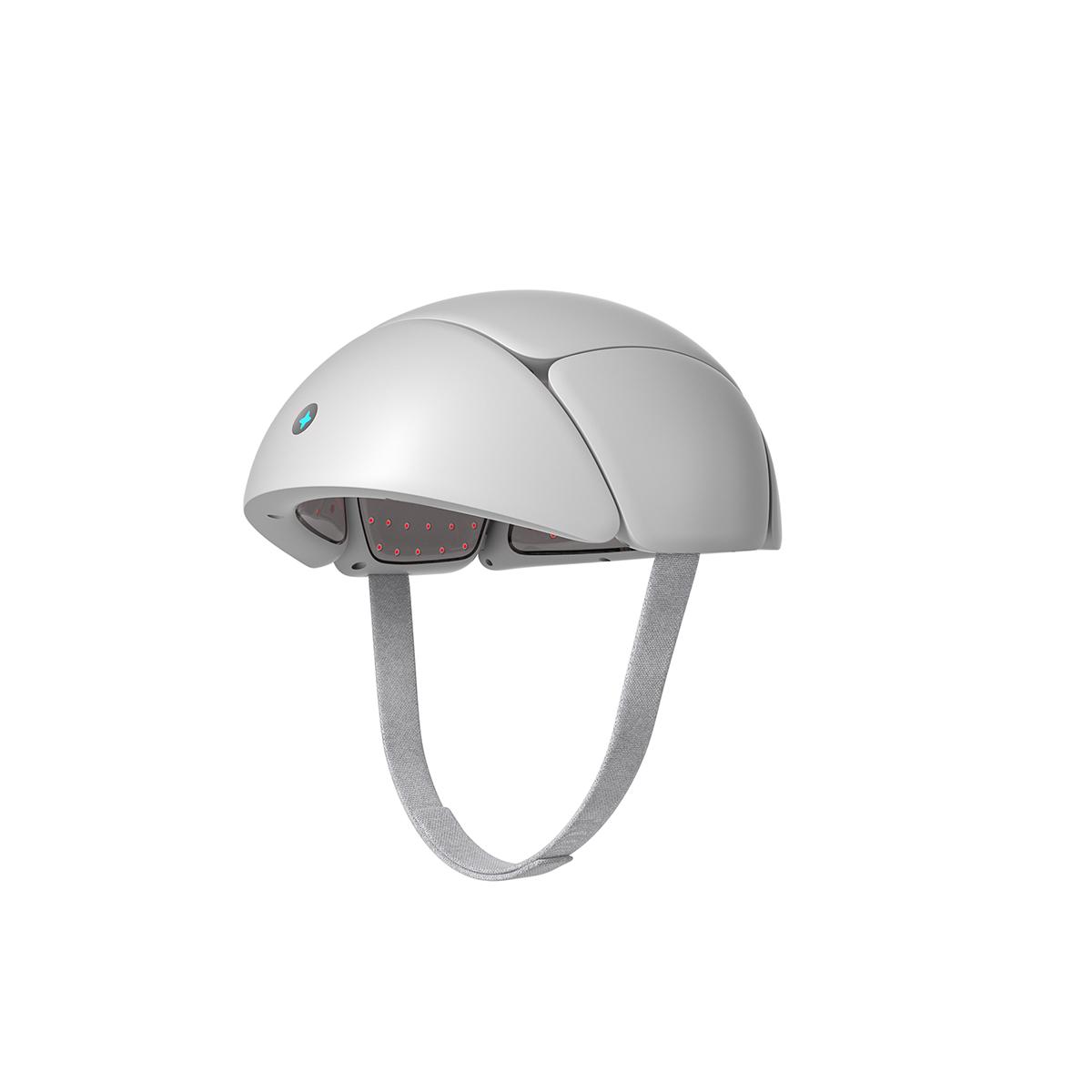
If you’ve been searching for the strongest hair growth helmet that actually delivers on its promises, you’re not alone. With so many devices claiming to restore thinning hair, it’s tough to know which one truly works. Today, we’re cutting through the noise to spotlight a standout contender: GUANG TAI. What makes it different? It’s not just about fancy lights—it’s built on clinical-grade technology and real user results. Stick around as we dive deep into what sets this helmet apart and whether it’s the game-changer your hair routine needs.
Beyond the Buzz: How Modern Light Therapy Actually Revives Follicles
When most people think of light therapy, they imagine a futuristic helmet glowing red, promising a miracle fix for thinning hair. The reality is far more grounded in cellular biology. Modern light therapy, specifically low-level laser therapy (LLLT), works by delivering specific wavelengths of light that penetrate the scalp to reach hair follicle stem cells. These wavelengths, typically in the red or near-infrared spectrum, are absorbed by cytochrome c oxidase—a key enzyme in the mitochondrial electron transport chain. This interaction kickstarts a cascade of physiological responses that revitalize dormant follicles without generating heat or causing tissue damage.
The magic happens at the molecular level. When photons hit cytochrome c oxidase, they prompt mitochondria to ramp up production of adenosine triphosphate (ATP), the cell’s energy currency. With more ATP available, follicle cells can shift from a resting phase into an active growth phase. At the same time, light stimulation triggers the release of nitric oxide, which improves local blood flow and reduces inflammation around the follicles. Add to that a modulation of reactive oxygen species, and you have an environment where hair-producing cells get both the fuel and the protection they need to function properly. It's not about waking up dead follicles—it's about nudging sluggish ones back into their natural cycle.
Clinical results back up this biological logic. Studies consistently show increased hair density and thicker shafts in patients using devices designed according to these photobiomodulation principles. Unlike topical treatments that require daily application, or pharmaceuticals with systemic side effects, light therapy sessions are typically brief, painless, and well-tolerated. The key is consistency and correct dosage—too little energy yields no response, while too much can stall progress. When applied correctly, modern light therapy acts like a gentle metabolic coach, quietly reminding hair follicles how to do their job again.
Real Users, Real Feedback: Unfiltered Takes on Top Devices
Scrolling through endless spec sheets and polished marketing spiels gets old fast. What actually sticks are the offhand remarks from someone who’s been using the thing daily—the sticky power button, the camera bump that catches lint, the battery that somehow still limps along at 5%. Those raw, unvarnished opinions cut through the noise and tell you what you’re really signing up for.
Nobody holds back when a device lets them down in the middle of a work call or on a weekend getaway. You hear about the screen that’s impossible to read in sunlight, the charger that only works if you wiggle it just right, and the software update that magically fixed a bug nobody asked about. It’s these real-world moments—shared in forums, comment sections, or over coffee—that paint the truest picture of a gadget’s soul.
And then there’s the stuff you never see coming: the joy of a keyboard that clicks just so, the speaker that fills a room more than it has any right to, or the satisfying heft that makes a device feel like it’ll outlast your next three phones. That kind of feedback doesn’t fit neatly into a comparison chart, but it’s exactly what makes or breaks your day-to-day experience.
Tech Showdown: Laser Diodes vs. LEDs – Which Packs More Punch?
At first glance, laser diodes and LEDs seem like distant cousins in the optoelectronics family, but their rivalry runs deep in applications where precision meets raw power. Laser diodes produce a narrow, coherent beam that can be focused to a microscopic point, making them the undisputed champions of high-intensity tasks like fiber-optic communication and surgical cutting. LEDs, on the other hand, spread their light wide and gentle, excelling in general illumination and displays where uniformity and safety matter more than sheer punch.
Dig into the numbers, though, and the story gets more nuanced. A typical laser diode can easily deliver optical power densities thousands of times higher than an LED from the same semiconductor material, not because it’s inherently more efficient, but because it forces light into a tiny, collimated path. Meanwhile, LEDs have quietly revolutionized the lighting world by pushing wall-plug efficiencies past 80% in some cases, converting electricity to light with minimal heat, a feat that most laser diodes can only dream of outside specialized laboratory setups.
The real showdown isn’t about which technology is better—it’s about choosing the right tool for the job. Laser diodes pack that punch when you need to burn, sense, or transmit data through miles of glass, while LEDs claim victory in our homes, screens, and anywhere you want light that’s easy on the eyes and the power bill. The next time you’re mesmerized by a laser show or cozy under warm LED lighting, remember: each has earned its spotlight in the tech arena.
Comfort and Convenience: Why Design Matters as Much as Power
Raw engine specs and horsepower figures might dominate spec sheets, but the way a vehicle feels moment to moment is what truly shapes the ownership experience. A thoughtfully designed cabin isn’t just about aesthetics; it’s about how instinctively you can adjust the climate without taking your eyes off the road, or how the seat contours support you during a long drive. These details, often overlooked in favor of performance numbers, turn routine commutes into genuinely pleasant rituals and make every journey less about the destination and more about the ease of being there.
Convenience features have evolved far beyond simple add-ons—they now define how seamlessly a car integrates into daily life. Clever storage compartments that actually fit today’s devices, intuitive infotainment that doesn’t require a manual, and ambient lighting that shifts with your mood aren’t mere luxuries; they’re functional elements that reduce stress. When design prioritizes human habits over flashiness, the result is a space that feels tailored rather than generic, proving that a well-considered interior can make even a modest engine feel like part of a cohesive, premium package.
True comfort goes beyond soft-touch materials and quiet cabins. It’s felt in the way a suspension absorbs rough pavement without isolating you from the road, or how ventilated seats make a summer drive bearable before the AC kicks in. Power gets you moving, but thoughtful design keeps you relaxed, alert, and ready for whatever lies ahead. In the end, a car that works with your body and your routines will always leave a stronger impression than one that merely impresses on paper.
Safety First: Debunking Myths Around At-Home Hair Regrowth
There’s a surprising amount of misinformation floating around about regrowing hair at home. One persistent myth is that natural remedies like onion juice or rosemary oil work overnight miracles. While some ingredients do show promise in small studies, they require consistent, long-term use and often produce subtle results. Believing in quick fixes can lead to disappointment—or worse, skin irritation from overuse without proper dilution.
Another common misconception is that at-home methods are completely risk-free because they’re “natural.” In reality, many DIY treatments can trigger allergic reactions, inflame sensitive scalps, or disrupt the skin’s natural barrier. For example, undiluted essential oils can cause chemical burns, and frequent mechanical scalp massage might exacerbate certain conditions like traction alopecia. Being natural doesn’t automatically mean safe for everyone.
Finally, the idea that at-home hair regrowth can replace medical advice for underlying health issues is dangerous. Hair loss can signal nutritional deficiencies, hormonal imbalances, or autoimmune disorders. Self-treating without understanding the root cause can delay proper diagnosis and treatment. The safest approach combines professional guidance with carefully chosen home care—never the other way around.
Long-Term Gains: Tracking Progress Over Months, Not Weeks
When you commit to a longer timeline, the pressure to see instant results fades, and you start noticing subtle shifts that weekly check-ins often miss. Tracking over months lets you observe real patterns—strength gains that build incrementally, habits that become automatic, or deeper understanding that only comes with repeated practice. This slower rhythm also helps you separate genuine plateaus from normal fluctuations, reducing the urge to abandon efforts prematurely.
A monthly or quarterly reflection naturally widens your perspective, turning small daily actions into a coherent story of growth. Instead of fixating on a single imperfect week, you can appreciate how consistency compounds. Keeping a simple log of key indicators—whether it’s running pace, savings contributions, or pages written—reveals an upward curve that’s invisible in the short term. Over time, you learn to trust the process, because you have tangible proof that steady effort reshapes your baseline.
The emotional upside is just as profound. When progress feels slow, looking back at where you were four months ago can reignite motivation faster than any motivational quote. This approach also encourages a kinder inner dialogue: you stop berating yourself for a bad day and start seeing it as a tiny blip in a much longer arc. Ultimately, measuring in months transforms personal development from a sprint into a sustainable journey, where the real reward isn’t a single milestone but the person you become along the way.
FAQ
It comes down to a combination of factors: the right laser wavelength and density, consistent energy output, and a design that ensures full scalp coverage. A truly powerful helmet uses medical-grade diodes—often in the 650nm range—arranged so that light penetrates deeply and evenly. It's not just about having lots of lasers; it's about how well those lasers stimulate dormant follicles without overheating the scalp. Build quality and treatment timers also matter because if the device is awkward or uncomfortable, you won't use it regularly, and consistency is key.
They rely on low-level laser therapy, or LLLT. The red light photons are absorbed by cells in the follicle, which boosts ATP production—basically giving them more energy to function. This enhances blood flow to the scalp and helps shift follicles from a resting phase back into an active growth phase. Over time, this can thicken existing hairs and reawaken those that have been dormant. It's a slow, cumulative process, not an overnight fix, but the science behind photobiomodulation is solid.
Hands down, the ones that have undergone independent clinical trials rather than just internal company studies. Right now, the Capillus family and the iRestore Professional get mentioned a lot because they've published data showing statistically significant increases in hair density. The Theradome Pro also stands out—it was developed by a former NASA scientist and has FDA clearance for treating androgenetic alopecia. When you dig into the actual numbers, devices with higher diode counts and proper wavelength calibration consistently outperform the cheaper, gimmicky ones.
For most people, these are exceptionally safe when used as directed. The most common 'side effect' is a temporary shedding phase during the first few weeks—this is actually a good sign that follicles are resetting. Some users report mild scalp warmth or tingling, but it's rare to see actual burns or damage. The main risks come from counterfeits or poorly made devices that might overheat or use the wrong light frequency. If you have a photosensitive condition or are on certain medications, it's worth a quick chat with a dermatologist first.
Realistically, patience is crucial. Most clinical data points to six months as the minimum for noticeable thickening, with fuller results often taking 12 months of consistent use. You might see a reduction in shedding after two or three months, which is encouraging, but true cosmetic density takes time because hair cycles are slow. If a brand promises a full head of hair in three months, that's a red flag. The best approach is to take baseline photos and judge progress every 4-6 months rather than obsessing week to week.
Absolutely, and in fact, combining therapies often leads to significantly better outcomes than using any single method. The helmet improves cellular health and blood flow, while topical or oral medications address the hormonal aspects. There's no negative interaction; they work on different mechanisms. Many dermatologists now recommend a multi-pronged approach for stubborn hair loss. Just be cautious with timing: applying topical solutions right before putting on the helmet can cause buildup on the lasers, so it's smarter to use the helmet on a clean, dry scalp and apply topicals afterward.
You can find helmets under $300, but these usually use fewer LEDs instead of true laser diodes, have flimsy construction, and lack FDA clearance. Mid-range devices around $500–$800 often step up to real lasers but may still have sparse coverage. The premium tier—$900 to $2,500—gives you medical-grade diodes, automatic shut-off, larger treatment areas, and stronger warranties. Whether it's worth it depends on your goals and how advanced your hair loss is. For early thinning, a mid-range model might suffice. For more significant loss, the higher upfront cost often translates to faster, more dramatic results and better long-term reliability.
Conclusion
When it comes to the strongest hair growth helmet, the real measure isn’t just marketing hype but how well the device bridges clinical-grade technology with everyday usability. Modern light therapy helmets, whether packed with medical-grade laser diodes or high-density LEDs, have moved far beyond gimmicks—they now deliver targeted wavelengths that studies show can reawaken dormant follicles and extend the anagen phase. But raw power means little if the fit is clumsy or the sessions feel like a chore. The top contenders balance dense light coverage with ergonomic, hands-free designs that actually encourage consistency, because it’s the months of steady use, not weeks, that separate fleeting fuzz from visible density gains.
Real-world experiences back this up: unfiltered user reviews reveal that devices excelling in both photon output and comfort—padded inserts, even weight distribution, cordless operation—tend to generate the most loyal followings, with progress photos showing regrowth around month four or five. Meanwhile, debates around laser versus LED often miss the point that hybrid arrays can maximize scalp coverage, and safety concerns are largely outdated, as reputable helmets cap energy levels well within dermatological guidelines. Ultimately, the strongest helmet isn’t just the one with the most diodes; it’s the one you’ll actually use long enough to see genuine transformation.
Contact Us
Contact Person: Leon Yi
Email: [email protected]
Tel/WhatsApp: +86 17363316873
Website: https://zzgt.en.alibaba.com/