

Solar Tracking Mounting Systems: The Ultimate Guide to Finding the Best Wholesalers from China
2026-01-17
As the renewable energy sector accelerates globally, finding reliable solar tracking mounting systems has become a critical challenge for businesses looking to maximize efficiency and return on investment. China stands as a leading source for these innovative solutions, but navigating the vast landscape of wholesalers can be daunting. In this comprehensive guide, we'll dive deep into how to identify the best suppliers, what to look for in quality systems, and practical tips for successful procurement—all tailored to help you make informed decisions that power your projects forward. At Energet Solar, we understand the intricacies of this market and are committed to sharing insights that elevate your sourcing strategy. Whether you're a seasoned professional or new to solar installations, this guide promises valuable perspectives to streamline your search and spark curiosity about the future of solar technology.
Navigating the Chinese Solar Tracker Market for Quality Wholesalers
When sourcing solar trackers from China, quality wholesalers must navigate a landscape filled with both innovative manufacturers and those offering cut-rate, substandard products. It's essential to look beyond just price tags and focus on factors like material durability, tracking accuracy, and the supplier's track record in delivering reliable systems that withstand harsh environmental conditions. Building partnerships with factories that prioritize rigorous testing and continuous improvement can save you from costly failures down the line.
Many wholesalers overlook the importance of regional expertise within China's diverse market. Suppliers in provinces like Jiangsu or Zhejiang often specialize in different aspects of solar technology, so tapping into local networks or working with experienced agents can help identify hidden gems. Don't just rely on online listings; visiting trade shows or conducting on-site inspections allows you to assess production capabilities firsthand and gauge a company's commitment to quality.
To truly stand out, consider suppliers who offer customization options tailored to specific project needs, such as adaptations for extreme weather or integration with smart monitoring systems. This flexibility not only enhances product value but also builds long-term trust with your clients. By prioritizing these nuanced approaches, wholesalers can secure durable, high-performance solar trackers that give them a competitive edge in the global market.
Essential Factors in Selecting Reliable Solar Mounting Suppliers from China
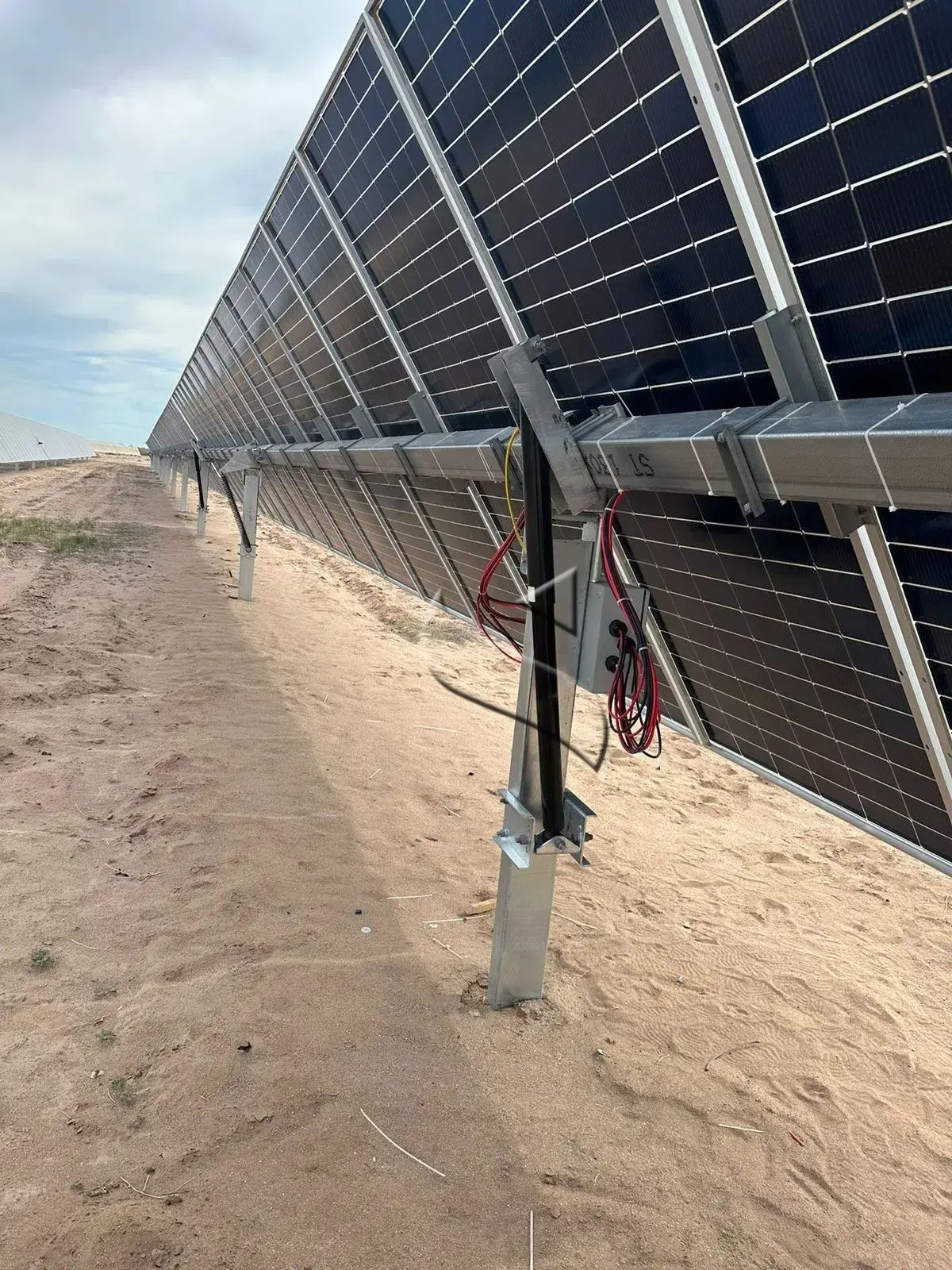
When you're in the market for solar mounting systems from China, it's easy to get overwhelmed by the sheer number of suppliers. However, reliability should be your top priority, as these components are crucial for the longevity and efficiency of your solar installation. Start by examining the supplier's track record: how long have they been in business, and what do their existing clients say about them? A supplier with a solid history of delivering projects on time and within budget is often a safer bet than a new entrant with flashy promises. Don't just take their word for it—request case studies or references to verify their claims, and check for any red flags like frequent complaints or unresolved issues.
Another key factor is the quality of materials and manufacturing processes. Reliable suppliers usually adhere to international standards, such as ISO certifications or specific industry benchmarks for durability and corrosion resistance. Inquire about the types of materials they use—for instance, aluminum or galvanized steel—and ask if they conduct regular quality control tests. It's also wise to visit their facilities if possible, or request detailed documentation on their production lines and safety protocols. This hands-on approach can reveal a lot about their commitment to consistency and innovation, helping you avoid suppliers that cut corners to save costs.
Finally, consider the supplier's logistical capabilities and customer support. Even the best products can fall short if they're not delivered efficiently or if you face difficulties during installation. Look into their shipping options, lead times, and how they handle custom orders or unexpected changes. A responsive customer service team that's available to troubleshoot issues or provide technical guidance can make a huge difference in the overall experience. By focusing on these aspects—proven reliability, stringent quality control, and robust support—you'll be better equipped to choose a supplier that not only meets your immediate needs but also stands the test of time in the dynamic solar market.
Strategies for Evaluating Chinese Wholesalers of Solar Tracking Systems
When diving into the market for Chinese wholesalers of solar tracking systems, it's essential to start by scrutinizing their manufacturing capabilities and certifications. Look beyond basic ISO standards and check for specialized accreditations like IEC or UL listings, which often indicate adherence to rigorous safety and performance benchmarks for solar technology. Don't just rely on glossy brochures—request detailed factory audits or third-party inspection reports to assess production quality upfront. This initial step helps avoid partnering with suppliers who might cut corners, potentially leading to costly downtimes or compliance issues down the line.
Equally crucial is evaluating their supply chain resilience and after-sales support. A reliable wholesaler should demonstrate transparent logistics, with clear timelines for shipping and warehousing options, especially for bulky solar components. Probe into their warranty terms and technical support availability; ask for case studies or references from past clients to see how they've handled maintenance or replacements in real-world scenarios. This practical insight can reveal whether a supplier is merely a distributor or a committed partner invested in your project's long-term success.
Finally, consider their innovation track record and market adaptability. With solar tech rapidly evolving, top-tier Chinese wholesalers often invest in R&D, offering customizable solutions or integrating smart features like AI-driven tracking. Compare product portfolios for diversity—whether they cater to large-scale utility projects or niche agricultural applications. Engaging directly with their engineering teams or attending industry expos can uncover hidden strengths, helping you choose a forward-thinking supplier poised to adapt to future trends and regulatory shifts.
Building Solid Partnerships with Top Chinese Solar Mounting Manufacturers
When it comes to sourcing solar mounting solutions, China’s manufacturing landscape offers a wealth of options, yet forging lasting partnerships requires a strategic approach. Top Chinese manufacturers are not just suppliers; they’re collaborators who bring deep expertise in engineering, cost-efficiency, and scalability to the table. By engaging early in the design phase, clients can leverage their insights to customize systems that meet specific site conditions and regulatory requirements, ensuring a smoother project rollout and long-term reliability.
What sets these partnerships apart is the emphasis on transparency and shared goals. Leading firms in China prioritize clear communication channels, regular updates on production milestones, and proactive problem-solving, which helps build trust and minimizes delays. They often integrate advanced technologies like automated production lines and rigorous quality control processes, allowing for consistent output that aligns with international standards. This collaborative dynamic turns transactions into enduring relationships, where both parties grow together in a rapidly evolving solar market.
Beyond technical prowess, successful alliances thrive on cultural alignment and mutual respect. Top manufacturers invest in understanding their partners' business objectives, offering flexible terms and support for logistics, installation, and after-sales service. By focusing on these human elements, companies can unlock innovative solutions and drive efficiencies that go beyond mere cost savings, positioning themselves competitively in the global renewable energy sector.
Ensuring Product Durability in Chinese Solar Tracker Purchases
When investing in solar trackers, durability is a key factor, especially in the context of Chinese manufacturers, where product reliability can vary. To ensure long-term performance, buyers should prioritize components with a proven track record in harsh environments, such as those exposed to extreme weather. Look for certifications like IEC standards, which test for durability against wind, rain, and corrosion. While China offers competitive pricing, scrutinizing materials and manufacturing processes can reveal quality differences, helping avoid premature failures.
Beyond certifications, assessing the warranty and after-sales support is crucial for durability assurance. Chinese suppliers often provide extended warranties that cover parts and labor, but it's essential to clarify terms, such as response times and service availability. Partnering with manufacturers that have a local presence or strong distribution networks can expedite maintenance, ensuring minimal downtime. Real-world case studies from existing installations also offer valuable insights into how products withstand operational stresses over time.
Lastly, customizing the tracker design to specific site conditions enhances durability. In China, factors like high humidity, salt spray near coasts, or dust in arid regions require tailored solutions. Engage with suppliers to discuss material upgrades, such as stainless steel fasteners or advanced coatings, which add minimal cost but significantly boost lifespan. By combining rigorous vetting with proactive planning, buyers can secure solar trackers that deliver resilience and value in the long run.
Streamlining the Procurement Process for Solar Mounts from China
Streamlining the procurement process for solar mounts from China involves navigating a complex supply chain while ensuring quality and cost-efficiency. Companies often face challenges with communication barriers, varying manufacturing standards, and logistical hurdles. By implementing strategic partnerships and leveraging technology for real-time tracking, businesses can reduce lead times and minimize risks associated with international sourcing. This approach not only enhances operational efficiency but also builds a reliable framework for long-term procurement, crucial for scaling solar energy projects competitively.
A key aspect of streamlining is conducting thorough due diligence on suppliers to verify certifications like ISO and product compliance with international standards. Engaging in direct negotiations rather than relying solely on intermediaries can lead to better pricing and clearer contractual terms. Additionally, establishing clear quality control protocols, including pre-shipment inspections and on-site audits, helps mitigate defects and ensures that mounts meet project specifications. These steps foster transparency and trust, reducing the likelihood of costly delays or rework in the field.
To stand out in the market, adopting a customized procurement strategy tailored to specific project needs is essential. This might include collaborating with manufacturers to co-develop innovative mount designs that optimize performance or using data analytics to forecast demand and optimize inventory levels. By integrating sustainability criteria into the selection process, such as evaluating suppliers' environmental practices, companies can also enhance their brand reputation while contributing to green energy goals. Ultimately, a well-structured procurement process not only saves time and money but also drives innovation and resilience in the solar industry.
FAQ
Solar tracking systems maximize energy production by following the sun's path, increasing efficiency by up to 25-30% compared to fixed mounts. They're ideal for large-scale installations where optimizing output is crucial, though they require more maintenance.
Look for suppliers with certifications like ISO 9001, proven experience in solar projects, and positive client testimonials. Check if they offer technical support and customization options, as this indicates a commitment to quality and service.
Costs vary based on system type (single-axis vs. dual-axis), materials (e.g., galvanized steel), automation features, and order volume. Shipping and import duties can add 15-20%, so factor those into your budget.
Yes, Guangdong and Jiangsu provinces are hubs for solar manufacturing, with many wholesalers clustered there. These regions offer competitive pricing due to established supply chains and expertise in renewable energy tech.
Issues like communication gaps, longer lead times (4-8 weeks), and quality inconsistencies can arise. Build strong contracts, request samples, and consider using third-party inspection services to mitigate risks.
Absolutely. Reliable wholesalers often provide customized designs with reinforced structures and advanced tracking algorithms to handle harsh conditions, ensuring durability and performance in diverse climates.
Check for warranties (typically 5-10 years), corrosion resistance features, and compliance with international standards like IEC. Review case studies or ask for durability test reports to gauge long-term reliability.
Suppliers usually provide detailed manuals and may offer remote or on-site support. Installation involves site assessment, foundation work, mounting the trackers, and integrating with solar panels, often requiring local technicians for efficiency.
Conclusion
Finding the best Chinese wholesalers for solar tracking mounting systems requires a strategic approach that goes beyond simple price comparisons. Navigating the Chinese solar tracker market begins with identifying suppliers known for quality and reliability, often through industry referrals or verified trade platforms. Essential factors in selecting these partners include assessing their manufacturing capabilities, compliance with international standards, and track record in delivering durable products that can withstand diverse environmental conditions. This initial evaluation phase should also consider the supplier's ability to provide technical support and customization options, ensuring that the systems meet specific project requirements without compromising on performance or longevity.
Building solid partnerships with top Chinese manufacturers involves more than transactional interactions; it requires ongoing communication and collaborative problem-solving. Strategies for evaluating wholesalers should include site visits, sample testing, and reviewing case studies from previous projects to verify claims about product durability and efficiency. Streamlining the procurement process is achievable by establishing clear contracts, leveraging bulk purchasing for better terms, and using logistics partners familiar with solar equipment shipping from China. By focusing on these aspects, businesses can secure reliable solar mounting systems that enhance energy output while minimizing long-term maintenance costs, ultimately leading to successful and sustainable solar installations.
Contact Us
Contact Person: Simon
Email: [email protected]
Tel/WhatsApp: 8613672181100
Website: https://energetsolar.com/