

Professional FR Fabric: Essential Flame-Resistant Materials for Workplace Safety
2026-07-04
When a split second can mean the difference between safety and catastrophe, the right protective gear isn't just an option—it's a lifeline. Professional flame-resistant fabrics are the unsung heroes in high-risk workplaces, where every layer of clothing must perform under fire. But not all FR materials are built alike. Enter DROTEX, a brand that’s redefining what it means to stay safe without compromising on comfort and durability. In this post, we’ll strip back the technical jargon to explore why the fabric you choose matters more than you think—and how innovation is quietly reshaping workplace protection from the threads up.
The Science Behind Self-Extinguishing Textiles
At the heart of self-extinguishing textiles lies a clever manipulation of the combustion triangle—fuel, heat, and oxygen. Conventional fabrics like cotton or polyester readily feed a flame, but by integrating flame-retardant chemistry directly into the fiber or applying it as a finish, the textile’s reaction to fire fundamentally changes. When exposed to heat, these materials release non-flammable gases that dilute the oxygen around the fabric, or they form a protective char layer that insulates the underlying fibers from further thermal breakdown. This isn’t simply a coating that burns away; it’s a built in defense that disrupts the chemical chain reaction of combustion, effectively snuffing out the flame from within.
Different fiber types demand distinct scientific strategies. For inherently flame-resistant synthetics like aramids, the polymer backbone itself contains aromatic rings and strong molecular bonds that resist thermal decomposition, requiring extreme temperatures just to break down. When they do degrade, they produce a tough, carbon-rich char that acts as a barrier. Cellulosic fibers like cotton, on the other hand, are often treated with phosphorus-based compounds. During a fire, these compounds catalyze dehydration of the cellulose, steering the degradation pathway toward solid char formation rather than volatile, flammable tars. It’s a precise chemical redirection—turning a fuel-rich material into a carbonized skeleton that chokes off the flame.
Recent advances push beyond traditional chemistries, exploring bio-inspired and intrinsically safe mechanisms. Researchers are mimicking the way some plants produce silica skeletons, integrating mineral-like structures into fabrics that remain stable even at torch-level heat. Others are engineering fibers that swell or intumesce when heated, creating a thick, foamy insulator in real time. The real elegance of these technologies isn’t just stopping a flame—it’s doing so without relying on halogenated additives that generate toxic smoke. Instead, the next generation of flame-resistant textiles focuses on cooling the reaction zone, scavenging free radicals, and forming resilient barriers, all while maintaining the look, feel, and comfort of everyday apparel.
Beyond Compliance: What to Look for in Quality FR Fabrics
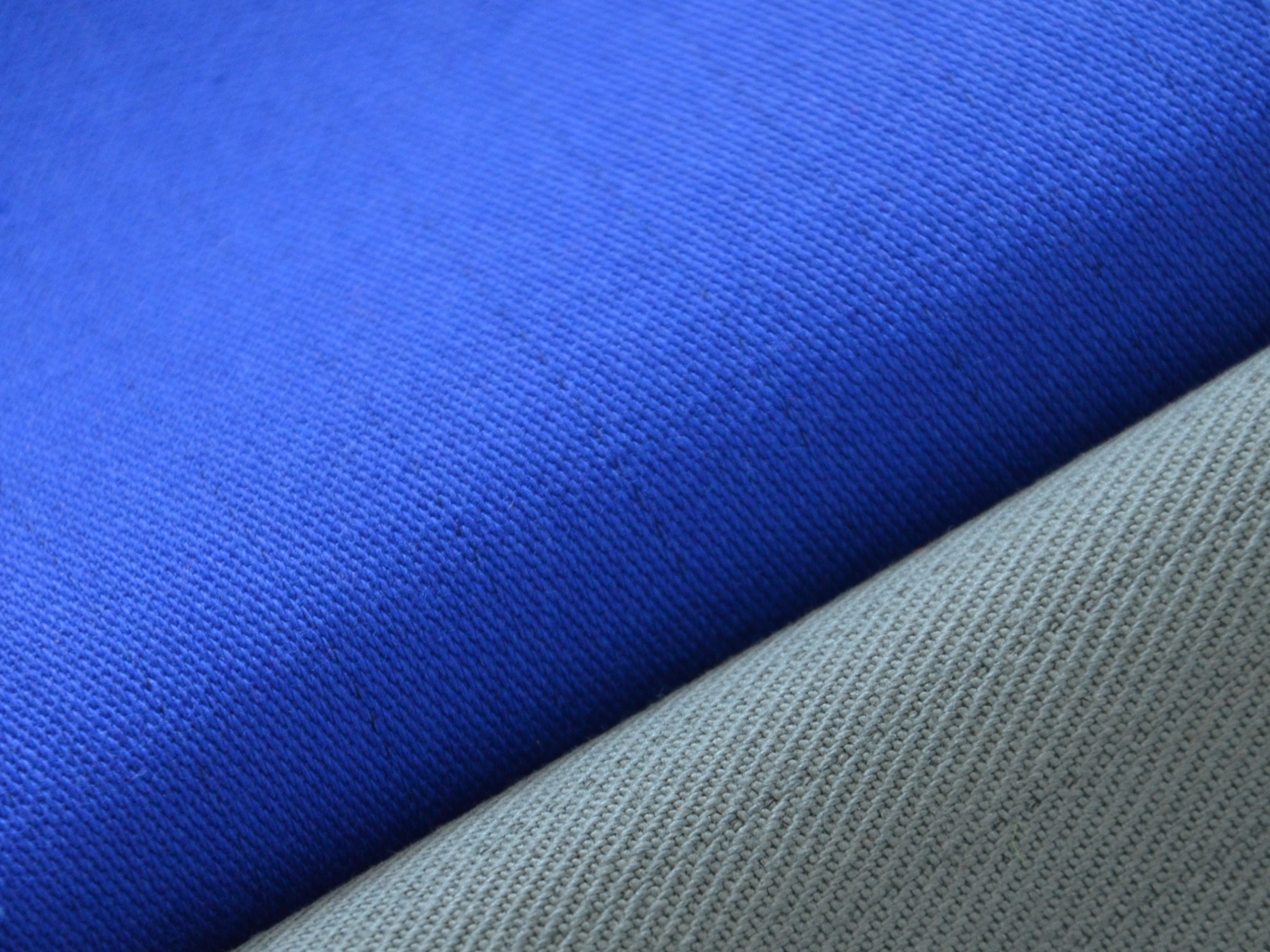
Truly dependable flame-resistant fabrics go well beyond ticking regulatory boxes. While compliance with standards like NFPA 2112 or ASTM F1506 is non-negotiable, it's just the starting line. A fabric that merely passes a lab test might still degrade unexpectedly after repeated industrial laundering, lose its shape under daily stress, or become unbearably uncomfortable—leading workers to roll up sleeves or unzip coveralls, effectively bypassing the protection. Real-world performance demands a deeper look at how the FR properties are engineered: are they inherent to the fiber structure, or simply a topical treatment that can wash or wear away? Inherent FR fabrics, where the protection is built into the polymer backbone, tend to maintain their flame resistance for the life of the garment, regardless of how many wash cycles they endure.
Comfort and durability often get sidelined in bid specifications, yet they directly influence whether protective clothing is worn correctly. A stiff, non-breathable fabric might meet every thermal test but cause heat stress during a 12-hour shift, tempting shortcuts. Advanced FR fabrics now balance protection with moisture-wicking properties, lightweight weaves, and mechanical stretch—qualities that keep workers cool, dry, and moving freely without compromising safety. At the same time, scrutinize the fabric's resistance to abrasion, tearing, and chemical exposure. A garment that quickly frays at stress points or becomes weakened by common workplace substances (like oils or acids) fails in its primary mission long before any flame is present. Look for independent long-term wear trial data, not just lab certificates, to gauge how the fabric truly holds up under the specific conditions of the job.
Finally, consider the hidden aspects of supply chain consistency and after-sales support. A high-quality FR fabric is backed by a manufacturer that provides reliable technical guidance, seam-to-seam testing, and clear care instructions. Variations in fabric lot performance can create serious gaps in a safety program, so insist on documented quality-control procedures and traceability. Also, think about end-of-life disposal or recycling—sustainable options are increasingly important without compromising protective qualities. By asking these tougher questions, you move beyond a check-the-box mentality and build a protective apparel program that genuinely safeguards the people who rely on it, shift after shift.
Real-World Hazards That Demand FR Protection
Arc flashes can happen in the blink of an eye, releasing intense heat that ignites non-FR clothing within seconds. Even brief exposure to an electrical fault can lead to severe skin burns, turning a routine maintenance task into a life-altering incident. Protecting against this hidden danger requires garments that self-extinguish when the energy dissipates, not ones that continue to burn against the skin.
Flash fires are another unpredictable hazard, often fueled by combustible dust or flammable vapors that accumulate in enclosed spaces. Unlike continuous flames, these short-lived infernos demand fabric that resists ignition and minimizes afterburn, giving workers those precious moments to escape. Standard workwear merely adds fuel to the fire, whereas FR-rated materials act as a critical barrier.
Molten metal splashes and chemical exposures further underline the need for specialized protection. In foundries or petrochemical plants, a single splash can destroy ordinary attire and cause catastrophic injury. FR fabrics not only repel sparks and repel certain liquids but also help maintain thermal insulation, ensuring that the heat load on the body stays survivable long enough to reach safety.
Washing Without Compromising Safety: FR Fabric Care Essentials
Flame-resistant fabrics aren’t like your average cotton tee—they’re engineered to self-extinguish, shield against heat, and perform under pressure. But toss them in a hot wash with the wrong detergent, and you could be quietly weakening that life-saving barrier. The key is knowing that FR protection isn’t just a coating; it’s often woven into the fiber itself, and harsh chemicals can degrade those properties over time. Stick to a mild, neutral-pH liquid detergent that rinses clean without leaving flammable residues. Steer clear of fabric softeners, bleach, and even soap-based products that can build up and smother the fabric’s natural defense. Lukewarm water is your safest bet—too hot, and you risk setting stains while stressing the material; too cold, and oily soils might cling on, creating their own fuel source.
The rinse cycle deserves more attention than it usually gets. Any leftover detergent or soil isn’t just a cleanliness issue—it’s a flammability hazard. Run an extra rinse or two if your machine allows, and always keep FR gear separate from the rest of the laundry. Cross-contamination from everyday lint, oils, and flammable particles can compromise performance in ways you won’t see until it’s too late. When it’s time to dry, skip the high heat: tumble dry on low or air-dry in a shaded spot. Over-drying can shrink the fabric, harden cuffs, and even trigger thermal degradation in some aramid blends. And forget about starch or ironing tricks—those “crisp” finishes often come at the cost of safety.
For those managing large inventories of workwear, the same logic scales up. Industrial wash formulas exist that are specifically designed for FR textiles, and they’re worth the investment. Look for solutions that carry an endorsement from the fabric manufacturer or third-party testing bodies. Keep a log of wash cycles, repairs, and inspections—because without documentation, proving ongoing compliance becomes a guessing game. Ultimately, caring for FR fabrics is about respecting the chemistry that makes them work. Small tweaks in your routine—like checking pockets for debris, turning garments inside out to reduce abrasion, and air-drying whenever possible—extend service life and ensure that when it matters most, your gear won’t let you down.
Why Comfort Can't Be an Afterthought in Protective Gear
When workers dread putting on their safety gear, something is fundamentally broken. Discomfort isn't just a minor annoyance—it actively undermines the very purpose of protection. Heavy, stiff materials that restrict movement or trap heat lead people to roll up sleeves, loosen straps, or skip gear altogether during critical moments. In high-risk environments, that split-second decision to stay comfortable can have devastating consequences. Protective equipment must feel like a natural extension of the body, not a punishment, to ensure it actually gets used when it matters most.
The connection between physical ease and mental focus is often overlooked. Gear that chafes, pinches, or weighs you down creates constant distraction, pulling attention away from dangerous tasks at hand. A harness that digs into shoulders or goggles that fog up every few minutes forces the brain to split between the job and the irritation. True safety design integrates cushioning, breathability, and ergonomic fit from the earliest sketches—not tacked on later as a marketing bullet point. When comfort is engineered in from day one, workers stay alert and protected without even thinking about what they’re wearing.
Advances in material science have made it inexcusable to treat comfort as an optional upgrade. Moisture-wicking fabrics, impact-absorbing foams that flex with motion, and ventilation channels seamlessly built into hard shells can all coexist with top-tier protection ratings. The outdated mindset that toughness equals stiffness ignores how modern athletes and soldiers demand gear that moves with them. Protective equipment shouldn’t force a trade-off between safety and all-day wearability. Companies that prioritize how gear feels during a twelve-hour shift, not just how it performs in a lab test, are the ones actually keeping their people safe.
Next-Gen FR Materials: From Bio-Based Fibers to Smart Textiles
The evolution of flame-retardant (FR) materials is taking a decisive turn toward sustainability without compromising safety. Researchers are increasingly turning to bio-based fibers like chitosan, phytic acid, and DNA-modified cellulose to create inherently fire-resistant fabrics. These renewable resources not only reduce reliance on petroleum-based synthetics but also minimize toxic smoke during combustion, a critical advantage in confined spaces such as aircraft cabins or hospital interiors.
Parallel to these material innovations, smart textile concepts are redefining what protective clothing can do. We now see FR garments embedded with temperature sensors and conductive yarns that can alert wearers to excessive heat or structural breakdown in real time. This fusion of thermal protection with electronic functionality opens the door to apparel that actively monitors environmental threats and responds dynamically—switching from breathable to insulating, or even signaling for help before a fire fully develops.
Perhaps the most compelling shift lies in moving from mere ignition resistance to a holistic view of fire safety: durability, comfort, and post-fire integrity. Modern FR treatments are engineered to withstand repeated industrial washing while retaining flexibility, and multi-layered woven structures now combine char-forming outer shells with moisture-wicking inner linings. This systems-level thinking ensures that next-generation FR materials are not only safer but also wearable, durable, and far friendlier to both human health and the planet.
FAQ
FR stands for flame-resistant. These fabrics are engineered to self-extinguish when the ignition source is removed, unlike regular materials that can continue burning and melt onto the skin. The key is in the fiber composition and chemical treatment—some are inherently flame-resistant, like aramids, while others are treated with specialized finishes that create a protective char barrier.
Cheaper options often rely on aftermarket sprays that wash out quickly, leaving workers exposed. Professional FR fabrics maintain their protective qualities through multiple industrial launderings, and they're tested to rigorous standards like NFPA 2112. Over time, the consistent protection and durability reduce replacement costs and liability risks, making them a smarter financial decision.
Absolutely. Modern FR fabrics incorporate moisture-wicking blends and lightweight weaves that move with the body. For example, many now use a cotton-nylon blend with FR properties that feels soft against the skin while still meeting safety codes. Breathability and ergonomic design are no longer afterthoughts—they're essential for worker compliance.
Start with a thorough hazard assessment. Identify potential thermal exposures like flash fire or electric arc, then match those to the appropriate standard: NFPA 70E for electrical arcs or NFPA 2112 for flash fire. The fabric's arc thermal performance value (ATPV) or energy breakopen threshold (EBT) should exceed your calculated incident energy. A safety consultant can help, but never guess—overprotection can cause heat stress, and underprotection is deadly.
One big myth is that FR means fireproof—no fabric is indestructible. Another is that all FR garments are stiff and hot, which is outdated. Also, many think that adding layers always increases protection, but improper layering can trap heat and compromise the FR properties. Finally, some believe that natural fibers like cotton are safe; untreated cotton burns vigorously and can cause severe injuries.
Follow the manufacturer's guidelines strictly. Use mild detergents—no fabric softeners or chlorine bleach, as they can degrade the flame-resistant finish. Avoid starch and iron-on repairs. Home washing is fine if done correctly, but industrial laundering often ensures the required cleanliness and proper handling. Regularly inspect for tears, thinning, or contamination with flammable substances; when in doubt, replace the garment.
Standards are the backbone of workplace safety, ensuring that materials have been independently tested and verified. In the U.S., NFPA 2112 is the benchmark for flash fire protection, and NFPA 70E for electrical arc flash. ASTM F1506 covers textile material performance. Internationally, look for ISO 11611 for welding or ISO 11612 for heat and flame. Never rely solely on a manufacturer's claims—ask for third-party certification labels.
Conclusion
Professional flame-resistant fabrics are engineered at the molecular level to stop burning the moment a heat source disappears—this self-extinguishing trait isn't magic, but a careful blend of fiber chemistry and weave structure that chokes off combustion by forming an insulating char or releasing fire-dampening gases. In real workplaces, from arc flash incidents to molten metal splashes and flash fires, seconds matter; that's why selecting FR gear goes far beyond ticking regulatory boxes. Quality fabrics must hold up not just in a lab, but against daily abrasion, repeated laundering, and the specific threats of your industry. Comfort is a safety feature too—stiff, heavy materials slow movement, build heat stress, and tempt workers to roll up sleeves or unzip, instantly compromising protection.
Caring for FR clothing is another layer of the safety equation: a single wash with fabric softener or hard water can coat fibers and ruin their self-extinguishing ability, while proper industrial laundering restores performance without leaving flammable residues. The next generation of FR materials is already moving beyond traditional treated cottons, with bio-based fibers that lower environmental impact and smart textiles that can sense temperature shifts or even integrate cooling technology. These innovations don't just meet standards—they rethink how protective gear can be both fail-safe and wearable for a full shift, keeping workers truly covered without cutting corners.
Contact Us
Contact Person: Sandy
Email: [email protected]
Tel/WhatsApp: 86150 8310 5120
Website: https://www.frdrotex.com