

Low-Voltage Distribution Box China: Essential Guide to Safe and Efficient Power Solutions
2026-01-13
In today's rapidly industrializing world, the heartbeat of any facility—be it a bustling factory, a modern office, or a residential complex—is its power distribution system. When it comes to low-voltage distribution boxes, safety and efficiency are paramount. Yet, many overlook how these unassuming units can make or break operations. Welcome to this essential guide, where we unravel the intricate world of low-voltage distribution solutions in China, focusing on cutting-edge technology and best practices. As we dive into the essentials, we're proud to highlight Lugao, a brand that's redefining standards in the industry. Their innovative designs and unwavering commitment to reliability offer insights that go beyond the basics. What are the hidden risks in your current setup? How can you optimize for both performance and safety? Let's explore the answers together, ensuring your power systems are not just functional but future-proof.
Understanding the Basics of Low-Voltage Distribution Boxes in China
When exploring low-voltage distribution boxes in China, it's crucial to grasp their role as the backbone of electrical safety and efficiency in both residential and commercial settings. These units, often compact yet robust, manage voltages typically under 1000V, distributing power from mains to various circuits while protecting against overloads and short circuits. In China, the design aligns with national standards like GB/T, ensuring compatibility with local grid infrastructures, which can vary from urban high-rises to rural installations. Understanding how they integrate with China's rapid urbanization and smart grid initiatives reveals their significance beyond mere functionality.
Beyond technical specs, the market in China showcases unique adaptations, such as models tailored for harsh environments like coastal areas or industrial zones prone to dust and humidity. Manufacturers often incorporate features like corrosion-resistant coatings and modular components, allowing for easy upgrades—a reflection of China's push towards flexible, future-proof electrical systems. This adaptability makes these boxes not just static devices but dynamic elements in energy management, supporting everything from household appliances to renewable energy inputs like solar panels.
In practice, selecting a low-voltage distribution box in China involves navigating local regulations and regional preferences; for instance, northern cities might prioritize insulation for cold climates, while southern regions focus on ventilation and moisture control. By delving into these nuances, users can better appreciate how these boxes contribute to reliable, safe power distribution, highlighting China's blend of traditional engineering and innovative solutions in the electrical sector.
Key Components and Their Functions in Power Distribution
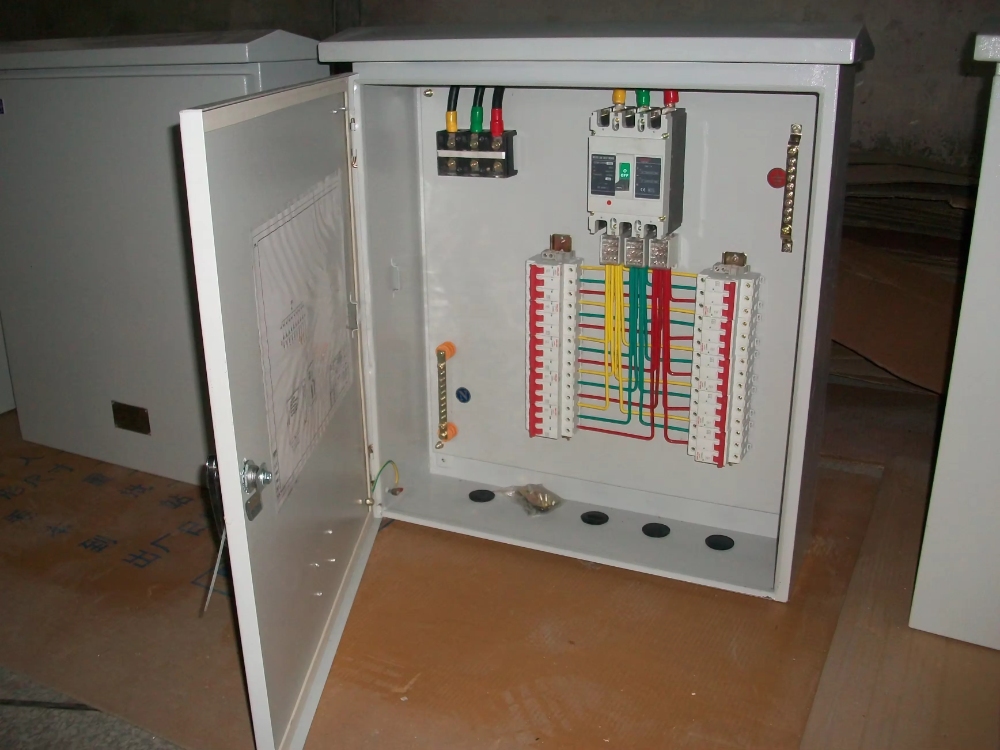
At the heart of power distribution systems lie essential elements that transform raw electricity into usable energy for homes and businesses. Transformers, for instance, are pivotal in stepping voltage up or down to match the needs of different distribution stages, reducing energy loss across vast distances. Meanwhile, circuit breakers and fuses act as protective guardians, swiftly interrupting currents during overloads or faults to prevent equipment damage and ensure safety. Together, these components form the backbone of reliable power delivery, adapting to varying loads and maintaining a steady flow across grids.
Switching to distribution lines and cables, which carry electricity from substations to end-users, they are designed to withstand environmental stresses while minimizing interference. Insulators and conductors play key roles here, with insulators preventing power leakage and conductors efficiently transmitting energy. Innovations in materials, such as advanced polymers for insulation or aluminum alloys for conductors, enhance durability and efficiency, allowing systems to handle increasing demands in urban and rural settings alike.
Beyond the physical infrastructure, monitoring and control systems add a layer of intelligence to power distribution. Devices like reclosers and voltage regulators automatically adjust parameters to maintain stability and restore service after outages, often communicating through SCADA systems for real-time oversight. This integration of hardware and software not only boosts reliability but also enables predictive maintenance, reducing downtime and optimizing energy usage in a dynamic, interconnected network.
Safety Standards and Regulations for Installation
When it comes to installation, adhering to safety standards and regulations isn't just a suggestion—it's an absolute must. In many industries, from construction and manufacturing to energy and technology, these rules are established to protect workers, end-users, and the environment. They often stem from research and real-world incidents, ensuring that every step, from equipment handling to final setup, minimizes risks. Complying with these standards helps prevent accidents, reduces liability, and fosters a culture of responsibility, making installations not only safer but also more efficient and reliable in the long run.
Different regions and sectors have their own sets of regulations. For example, in the electrical field, standards like the National Electrical Code (NEC) in the U.S. specify wiring and protection methods, while OSHA guidelines cover workplace safety. These aren't static; they evolve with new technologies and insights, so staying updated is key. What sets effective installations apart is a proactive approach—going beyond mere compliance by integrating best practices and custom solutions, ensuring that safety is woven into every phase rather than treated as an afterthought.
Ultimately, robust safety standards and regulations serve as a foundation for trust and quality. They provide clear benchmarks for installers, help clients feel secure, and can even enhance product longevity. By emphasizing continuous training and innovation, teams can not only meet but exceed these requirements, creating installations that are not just compliant but exemplary, standing out as benchmarks for safety and excellence in a crowded market.
Maintenance Tips for Prolonged Efficiency
Keeping your equipment running smoothly over the long haul doesn't have to be a guessing game. A few simple, consistent habits can make all the difference. For starters, schedule regular inspections—not just when things go wrong. Look for signs of wear like unusual noises, leaks, or performance dips, and address them early to prevent bigger issues down the line. Also, stick to the manufacturer's recommended service intervals; they're there for a reason, often based on real-world data to optimize lifespan and efficiency.
Beyond the basics, consider the environment where your gear operates. Dust, humidity, and temperature fluctuations can silently chip away at efficiency. Implement clean-up routines and use tools like air filters or climate controls to maintain optimal conditions. Remember, a well-kept workspace not only protects your investment but also boosts overall productivity by reducing unexpected downtime.
Finally, empower your team with training on proper usage and minor troubleshooting. When everyone knows how to handle equipment correctly and spot potential problems early, you'll see fewer breakdowns and smoother operations. Pair this with a logbook to track maintenance history, enabling you to spot patterns and tailor care plans. This proactive approach turns maintenance from a chore into a key driver of sustained efficiency.
Customization Options for Diverse Applications
Whether you're tailoring a software solution for a small startup or scaling it to meet the demands of a global enterprise, our customization options are designed to adapt seamlessly to your specific needs. We offer modular components that can be mixed and matched, allowing you to build a system that fits like a glove without starting from scratch. This flexibility ensures that whether it's integrating with legacy systems or adding niche features, you get exactly what you require without unnecessary complexity.
For industries with unique workflows, our customization tools go beyond simple tweaks—they enable deep personalization that aligns with your operational rhythms. Imagine configuring dashboards that highlight the metrics that matter most to your team or automating processes that save hours of manual work. We've seen clients in healthcare, finance, and manufacturing leverage these options to create solutions that not only solve problems but also drive innovation within their fields.
What sets our approach apart is the focus on future-proofing your investment. As your applications evolve, so can your customized features, thanks to our scalable architecture and ongoing support. You won't be locked into a rigid setup; instead, you'll have the freedom to pivot as new opportunities arise, making it a smart choice for dynamic environments where adaptability is key to staying ahead.
Future Trends in Smart Power Management
Smart power management is rapidly evolving beyond basic efficiency, with emerging trends focusing on decentralized energy systems and intelligent grid integration. For instance, microgrids are gaining traction by allowing communities to generate, store, and share renewable energy locally, which boosts resilience against outages. Additionally, real-time monitoring through IoT devices is enabling predictive maintenance, minimizing equipment failures and optimizing power flow dynamically. This shift not only enhances sustainability but also empowers consumers with greater control over their energy usage, paving the way for more responsive and cost-effective solutions.
Another key trend is the fusion of artificial intelligence with advanced analytics, driving smarter decision-making in energy distribution. AI algorithms can forecast energy demand with high accuracy, adjust supply from diverse sources like solar or wind, and even automate tariff adjustments based on real-time market conditions. This isn't just about automation; it's creating adaptive systems that learn from patterns to reduce waste and improve reliability. For example, machine learning models can identify inefficiencies in industrial processes, suggesting targeted improvements that cut energy costs without sacrificing performance, making operations more agile in a fluctuating energy landscape.
As these technologies mature, we'll likely see a greater emphasis on cross-sector collaboration, integrating smart power management with transportation and smart city initiatives. Electric vehicle charging networks, for instance, could serve as distributed storage units, feeding energy back to the grid during peak times through vehicle-to-grid technology. This holistic approach blurs the lines between energy producers and consumers, fostering a circular energy economy. It's a move towards not just smarter grids but interconnected ecosystems that maximize resource use, ultimately driving innovation and sustainability in a world where energy demands continue to grow.
FAQ
Chinese standards like GB/T 7251.1 emphasize robust construction, safety features like fault current protection, and compatibility with local grid requirements, ensuring reliability in diverse industrial and residential settings.
Materials resistant to humidity and temperature extremes, such as corrosion-treated metals and fire-retardant plastics, prevent malfunctions and hazards, crucial for regions from humid coastal areas to cold northern zones.
Focus on proper grounding, load balancing to avoid overcurrent, and adherence to local electrical codes like those from the State Grid, ensuring safe power distribution for households.
With rising energy costs and environmental regulations, efficient boxes reduce losses through optimized components, helping industries comply with standards and cut operational expenses.
Integrated sensors and IoT connectivity enable real-time monitoring, predictive maintenance, and remote control, improving outage response and energy savings in smart cities and factories.
Regular inspections for wear, cleaning of components, and testing of protective devices like circuit breakers prevent failures, aligned with manufacturer guidelines and safety protocols.
Modular designs allow easy upgrades, while compact sizes fit space-constrained buildings, and enhanced safety mechanisms handle increased loads from growing infrastructure demands.
Conclusion
Low-voltage distribution boxes play a crucial role in China's power infrastructure, ensuring the safe and efficient delivery of electricity to various applications. This guide covers the fundamental aspects, including the basics of these systems, their key components like circuit breakers and fuses that manage power flow, and the strict safety standards and regulations governing installation. By understanding these elements, users can implement reliable solutions that comply with national requirements and mitigate risks in residential, commercial, and industrial settings.
To maintain optimal performance, regular maintenance is essential, involving inspections and cleaning to prevent failures. Customization allows for adaptability across diverse needs, from compact urban setups to specialized industrial demands. Looking ahead, future trends such as smart power management systems promise enhanced automation and efficiency, supporting China's push toward sustainable energy. This comprehensive approach ensures that low-voltage distribution boxes not only meet current safety and efficiency goals but also evolve with technological advancements for long-term reliability.
Contact Us
Contact Person: Doreen
Email: [email protected]
Tel/WhatsApp: 8618057712366
Website: https://www.liugaopower.com/