

Leading Cold Rolling Mill Supplier: Innovative Solutions for Efficient Metal Processing
2026-02-26
Welcome to the forefront of metal processing innovation! In today's fast-paced industrial landscape, efficiency and precision are paramount for businesses striving to stay competitive. As a leading cold rolling mill supplier, GRM stands at the helm of delivering cutting-edge solutions that transform raw metal into high-quality products with unmatched accuracy and speed. This blog delves into the latest advancements and strategies that set us apart, offering insights into how our innovative approaches can streamline your operations and boost productivity. Join us as we explore the dynamic world of cold rolling technology, where every detail counts in driving success. Ready to discover how GRM can elevate your metal processing game? Let's dive in!
Cutting-Edge Technology for Precision Metal Rolling
Innovations in precision metal rolling are transforming industries by enabling the production of thinner, stronger, and more consistent materials than ever before. Advanced systems now incorporate real-time sensors and closed-loop controls that adjust processes on the fly, reducing waste and enhancing material properties. For example, in sectors like aerospace and automotive, these technologies allow for lighter components with improved durability, directly impacting performance and sustainability.
One standout development is the integration of AI-driven predictive analytics into rolling mills, which anticipates potential issues before they occur, minimizing downtime and ensuring tighter tolerances. Additionally, the use of novel lubrication techniques and specialized roll surfaces has extended tool life while maintaining surface finish quality. These advancements aren't just incremental—they're setting new benchmarks for what's achievable in metal fabrication, making precision rolling a cornerstone of modern manufacturing efficiency.
Looking ahead, the convergence of IoT and machine learning is poised to further refine precision metal rolling, enabling fully automated, adaptive systems that self-optimize based on material feedback. This evolution supports a shift toward more customized, small-batch production without sacrificing scale, empowering manufacturers to meet diverse customer demands with agility. As these technologies mature, they promise to unlock new applications in fields from renewable energy to medical devices, underscoring the pivotal role of precision in driving innovation.
Tailored Solutions That Boost Operational Efficiency
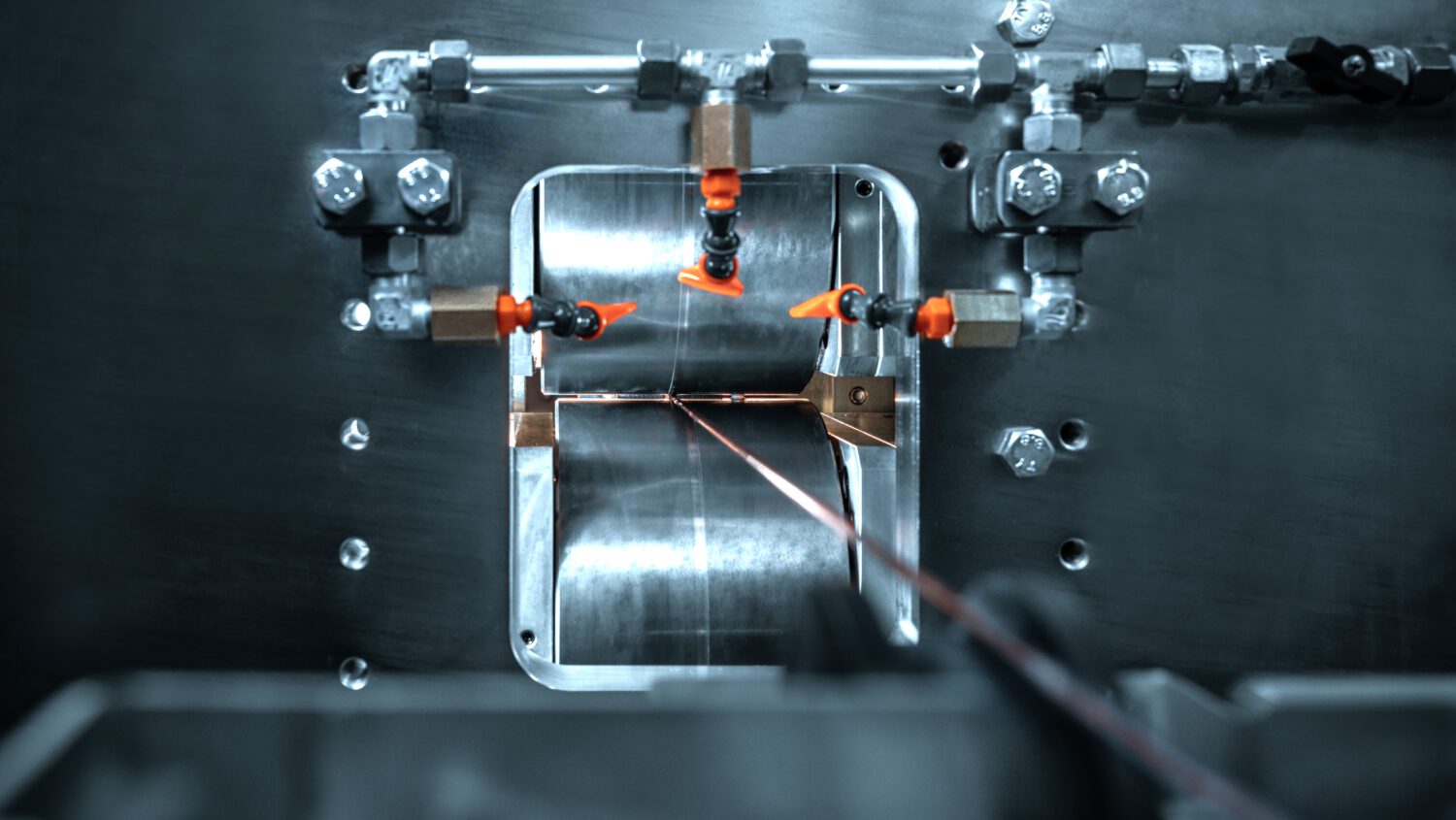
In today's competitive landscape, generic one-size-fits-all approaches often fall short when it comes to enhancing operational efficiency. That's where tailored solutions come into play, designed specifically to align with your unique business processes and challenges.
Imagine a scenario where your workflow bottlenecks are addressed not with off-the-shelf fixes but with customized strategies that integrate seamlessly into your existing systems. These solutions might involve automating repetitive tasks, optimizing resource allocation, or implementing data-driven insights that streamline decision-making.
For instance, a manufacturing company could benefit from bespoke software that monitors production lines in real-time, reducing downtime by predicting maintenance needs before failures occur. This personalized approach not only boosts efficiency but also fosters a culture of continuous improvement, setting your organization apart from competitors who rely on less refined methods.
Advanced Equipment for High-Quality Output in Cold Rolling
To achieve superior sheet metal characteristics in cold rolling operations, manufacturers rely on cutting-edge machinery that pushes the boundaries of precision and efficiency. This includes advanced hydraulic gap control systems, which dynamically adjust roll spacing during production to maintain uniform thickness across entire coils, reducing material waste and enhancing consistency. High-performance cooling and lubrication setups ensure optimal temperature management, minimizing thermal stress and preventing defects like edge cracks or surface imperfections, crucial for demanding applications in automotive and aerospace industries.
Innovations such as closed-loop shape control mechanisms have revolutionized output quality by continuously monitoring and correcting strip flatness in real-time, using arrays of laser sensors and automated actuators. These systems enable fine-tuning of crown and wedge profiles, delivering sheets with exceptional dimensional accuracy and surface finish. Coupled with sophisticated tension control, this equipment prevents buckling or stretching, yielding products that meet stringent international standards for straightness and uniformity, giving manufacturers a competitive edge in global markets.
Beyond hardware, integrating smart diagnostic tools and predictive maintenance software transforms equipment into proactive assets, maximizing uptime and quality. By analyzing vibration, temperature, and wear data, these technologies forecast potential failures before they disrupt production, ensuring steady, high-quality output without unexpected downtime. This holistic approach to cold rolling equipment not only boosts productivity but also elevates the final product's performance, enabling tailored solutions for specialized sectors like electronics and construction.
Sustainable Practices in Modern Metal Processing
The landscape of metal processing has undergone a profound shift in recent decades, driven by an urgent need to mitigate environmental impacts. Rather than treating sustainability as an afterthought, modern facilities are embedding it into core operations from the outset. For instance, water recycling systems now allow plants to reuse up to 95% of process water, drastically reducing consumption and wastewater discharge. Additionally, the integration of renewable energy sources, such as solar panels and wind turbines, directly on-site is becoming more common, cutting reliance on fossil fuels and lowering overall carbon footprints. These measures not only align with regulatory pressures but also reflect a growing industry-wide recognition that long-term viability hinges on ecological stewardship.
Innovations in material efficiency are reshaping how metals are utilized, minimizing waste without compromising quality. Advanced techniques like near-net-shape casting and precision machining yield components that require less raw material and generate fewer off-cuts. Moreover, the adoption of digital twins—virtual models of processing equipment—enables real-time optimization of energy use and material flow, identifying inefficiencies before they escalate. This proactive approach reduces scrap rates significantly, often by 20% or more, while fostering a culture of continuous improvement. By prioritizing resource conservation, companies are not just cutting costs but also enhancing their competitive edge in markets increasingly attuned to sustainable sourcing.
Beyond technological advancements, a holistic view of sustainability in metal processing extends to the entire lifecycle of products. Efforts are intensifying to develop more effective recycling methods for complex alloys, ensuring that end-of-life metals re-enter the production cycle rather than languish in landfills. Collaborative initiatives across supply chains promote transparency, with traceability systems verifying the origins of recycled content and ethical mining practices. This comprehensive strategy underscores that true sustainability is not a solitary endeavor but a collective commitment to reducing ecological strain while meeting global demand for durable, high-performance materials.
Proven Expertise in Delivering Custom Mill Systems
Our journey in crafting bespoke mill systems began over two decades ago, driven by a deep understanding of industry-specific challenges. Unlike generic solutions, each project starts with a detailed consultation to pinpoint unique operational needs, from raw material variability to throughput demands. This hands-on approach has led to successful implementations across mining, agriculture, and manufacturing sectors, where customized mills have enhanced efficiency and reduced downtime by up to 30%.
What sets us apart is our commitment to iterative testing and refinement, ensuring every system not only meets but exceeds expectations. For instance, a recent collaboration with a renewable energy firm involved designing a mill that could process diverse biomass materials without compromising output quality. By integrating advanced automation and robust materials, we delivered a solution that increased processing capacity by 25% while minimizing maintenance costs, showcasing our ability to adapt to evolving industry trends.
Beyond just delivering equipment, we build lasting partnerships by offering ongoing support and optimization services. Our team of engineers stays involved post-installation to monitor performance and implement updates as needed, ensuring long-term reliability. This holistic approach has earned us a reputation for reliability, with clients often noting how our custom systems have streamlined their operations and boosted profitability in competitive markets.
Innovation Driving Faster Production and Lower Costs
In today's competitive manufacturing landscape, innovation isn't just a buzzword—it's the engine behind dramatically shortened production cycles and cost reductions that seemed impossible a decade ago. By integrating advanced robotics and AI-driven predictive maintenance, factories are slashing downtime and accelerating assembly lines. This isn't merely about doing things faster; it's about rethinking entire processes to eliminate bottlenecks, ensuring that products move from design to delivery in a fraction of the time, all while trimming operational expenses.
Take additive manufacturing, for instance: 3D printing allows for rapid prototyping and on-demand production, reducing the need for costly inventory storage and minimizing waste. Similarly, cloud-based collaboration tools enable real-time adjustments across global teams, cutting communication delays and streamlining workflows. These technological leaps don't just tweak existing systems—they overhaul them, creating leaner, more responsive operations that drive down both time and money spent.
Beyond machinery, innovation in supply chain management, through blockchain and IoT sensors, provides unprecedented visibility and efficiency. This transparency helps anticipate disruptions, optimize routes, and negotiate better terms with suppliers, further lowering costs. Ultimately, it's this blend of cutting-edge tech and strategic thinking that empowers businesses to produce more with less, turning innovation into a tangible competitive edge in fast-paced markets.
FAQ
A leading cold rolling mill supplier stands out by offering cutting-edge technology, such as advanced automation and precision controls, that maximize efficiency and product quality. They invest in research to develop innovative solutions tailored to modern metal processing challenges, ensuring clients stay competitive in demanding markets.
Innovative solutions, like real-time monitoring systems and energy-efficient designs, streamline operations by reducing waste and downtime. These technologies enhance throughput and consistency, allowing facilities to process metals faster while maintaining high standards, ultimately lowering operational costs and boosting productivity.
Top suppliers offer extensive customization, including adjustable roll configurations, specialized coatings, and scalable designs to fit specific production needs. This flexibility ensures that mills can handle various metals and thicknesses, adapting to evolving industry requirements without major overhauls.
Yes, many leaders integrate eco-friendly features, such as closed-loop cooling systems and waste-reduction mechanisms, to minimize environmental footprint. By promoting sustainable practices, they help clients comply with regulations and achieve greener operations, often through energy-saving innovations.
Reliable support includes comprehensive training, maintenance packages, and technical assistance to ensure smooth implementation and long-term performance. Leading suppliers provide ongoing consultation to address operational hiccups, helping clients optimize their mills for consistent output.
They use high-grade materials and rigorous testing protocols to build mills that withstand heavy use and harsh conditions. Regular updates and robust engineering focus on minimizing wear and tear, ensuring reliable operation over extended periods with minimal interruptions.
Conclusion
As a leading cold rolling mill supplier, we pride ourselves on delivering innovative solutions that transform metal processing into a model of efficiency. Our cutting-edge technology ensures precision metal rolling, enabling manufacturers to achieve unparalleled accuracy and consistency in their products. By integrating advanced equipment, we provide the tools necessary for high-quality output, meeting stringent industry standards while optimizing performance. This commitment to excellence extends beyond machinery—it's about offering tailored solutions that boost operational efficiency across the board, streamlining workflows to reduce downtime and enhance overall productivity. As a result, clients benefit from faster production cycles and lower operational costs, driving their competitive edge in today's demanding market.
Beyond efficiency, our approach emphasizes sustainability through modern metal processing practices that minimize environmental impact without compromising quality. By incorporating eco-friendly technologies and methods, we help industries adopt a greener footprint while maintaining peak performance. Our proven expertise in delivering custom mill systems allows us to adapt to unique client needs, ensuring each solution is perfectly aligned with specific operational goals. Through continuous innovation, we stay ahead of industry trends, fostering advancements that accelerate production and cut expenses further. Ultimately, our holistic focus on technology, customization, and sustainability positions us as a trusted partner in driving forward the future of efficient and responsible metal processing.
Contact Us
Contact Person: Rayna
Email: [email protected]
Tel/WhatsApp: 86 -173 1474 6343
Website: https://www.grmrollingmill.com/