

Innovative Medical Device Wire Solutions for Orthodontics and Stent Applications
2026-02-07
In the rapidly evolving fields of orthodontics and cardiovascular stents, precision and customization are not just goals—they are essentials for patient success. Welcome to our latest exploration, where we dive into the groundbreaking world of medical device wire solutions that are reshaping these critical areas. At GRM, we're at the forefront of this innovation, crafting wires that offer unparalleled durability, flexibility, and biocompatibility to meet the exacting demands of modern healthcare. From braces that adapt seamlessly to unique dental structures to stents designed for optimal performance in delicate arteries, our solutions bridge the gap between cutting-edge technology and real-world applications. Join us as we uncover how GRM's expertise is driving advancements that enhance patient outcomes and push the boundaries of what's possible in medical devices. Ready to see what's next? Let's get started.
Cutting-Edge Wire Designs Revolutionize Orthodontic Treatments
Gone are the days of uncomfortable, bulky braces. Today's orthodontic treatments are being transformed by advanced wire technologies that not only straighten teeth more efficiently but also enhance patient comfort. These innovative designs, crafted from materials like nickel-titanium and copper-nickel-titanium, offer superior flexibility and memory retention, allowing for gentler, more predictable tooth movement. By reducing friction and pressure, they minimize pain and shorten treatment times, making the journey to a perfect smile smoother than ever.
Beyond basic alignment, cutting-edge wires incorporate features like shape-memory alloys that adapt to changing conditions in the mouth. This means adjustments are less frequent and more precise, leading to fewer office visits and a more streamlined process. As orthodontists leverage these tools, patients benefit from customized solutions that cater to individual needs, whether for complex cases or simple cosmetic fixes. The result is a revolution in how we approach dental health, blending aesthetics with functionality seamlessly.
Looking ahead, the integration of digital scanning and 3D printing with these wire designs promises even greater personalization. Imagine braces that are virtually invisible and tailored to each tooth's unique anatomy—this is the future on the horizon. By pushing boundaries in material science and engineering, orthodontics is evolving into a field where innovation drives better outcomes, empowering people to achieve healthier, more confident smiles with minimal disruption to their daily lives.
Customizable Wire Solutions for Personalized Stent Applications
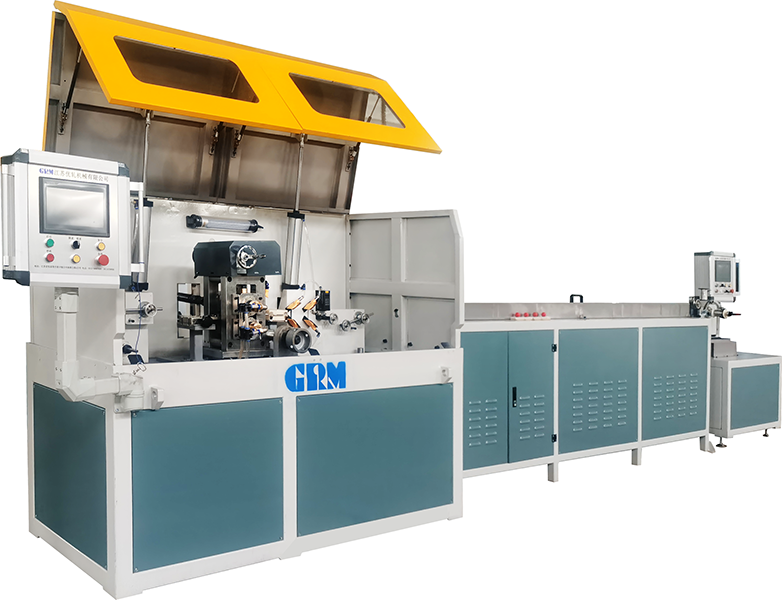
In the realm of medical device innovation, customizable wire solutions are revolutionizing stent applications by offering tailored designs that adapt to unique patient anatomies. These solutions empower clinicians to move beyond standard sizes, enabling precise fits that enhance device performance, reduce complications, and improve patient outcomes. By integrating advanced materials and manufacturing techniques, these wires can be fine-tuned for specific vascular and anatomical challenges.
The flexibility of these wire designs allows for personalization in both radial force and flexibility, catering to varied clinical scenarios from complex aneurysms to tortuous vessels. This adaptability not only boosts procedural success rates but also minimizes the need for multiple procedures, thereby streamlining patient care. With the ability to customize parameters like thickness and curvature, each stent becomes a bespoke tool in the hands of medical professionals.
Ultimately, these personalized approaches foster greater innovation in stent technology, as they encourage continuous refinement based on real-world feedback and emerging patient needs. By prioritizing customization, the industry is shifting towards more patient-centric solutions that promise better long-term results and a higher standard of care.
Enhanced Patient Comfort with Next-Generation Wire Technologies
In modern healthcare, enhancing patient comfort is more than just a luxury—it's a critical component of effective treatment. Next-generation wire technologies are stepping up to this challenge by introducing incredibly thin and highly flexible designs that minimize physical discomfort during use. Imagine a patient undergoing a diagnostic or therapeutic procedure where traditional, rigid wires might cause irritation or pressure sores; these advanced wires move with the body, adapting to natural movements and reducing the sense of foreign intrusion. This seamless integration into patient care not only improves satisfaction but also encourages better compliance with medical interventions, turning once-daunting experiences into manageable ones.
What truly sets these new wire technologies apart is their smart functionality that goes beyond mere material innovations. Through integrated sensors and real-time monitoring capabilities, they can detect subtle changes in a patient's condition and adjust parameters automatically, such as gently varying tension or temperature to maintain optimal levels. For instance, in cardiology or neurology applications, wires can now sense muscle tension or neural signals, allowing for precise adjustments that eliminate unnecessary strain. This proactive approach to comfort means patients are less likely to experience the fatigue or pain associated with static, older designs, leading to faster recovery times and a more positive overall healthcare journey.
Beyond the patient experience, these next-gen wires are fostering a cultural shift in medical settings by prioritizing holistic well-being. They're being designed with biocompatible and hypoallergenic materials that reduce the risk of allergic reactions or infections, which are common discomforts in clinical environments. Moreover, their enhanced durability and ease of handling by healthcare professionals translate to smoother, quicker procedures—things that patients often notice and appreciate. By focusing on these nuanced aspects, the technology is not just advancing engineering but also reshaping how comfort is perceived as an integral part of healing, making it a standout solution in a crowded market of medical tools.
Biocompatible Materials Drive Medical Wire Innovation
Advances in biocompatible materials are reshaping medical wire design, allowing for wires that integrate seamlessly with the human body without triggering adverse immune responses. Innovations like nitinol, a shape-memory alloy, and bioabsorbable polymers are enabling minimally invasive procedures with reduced patient discomfort and faster recovery times. These materials are engineered to degrade safely or remain inert, minimizing long-term complications and improving overall treatment outcomes.
The shift toward biocompatible materials is pushing medical wire development beyond traditional stainless steel, unlocking new possibilities in complex surgeries and chronic care. For instance, wires coated with antimicrobial agents or infused with drug-eluting properties are gaining traction, offering targeted therapies directly at the implant site. This evolution helps address issues like infections and inflammation, making procedures safer and more effective for diverse patient populations.
By leveraging biocompatibility, manufacturers are producing wires that are not only safer but also more adaptable to specific medical needs. Custom-designed wires for cardiovascular stents, neurological implants, and orthodontic applications demonstrate how material science is driving tailored solutions. This focus on biocompatibility ensures that medical wires can withstand bodily environments while maintaining functionality, paving the way for next-generation medical devices that enhance patient care through smarter, more responsive designs.
Smart Wire Features for Advanced Orthodontic and Stent Procedures
Innovative smart wires are revolutionizing the way orthodontic and stent procedures are conducted, integrating advanced materials and cutting-edge technology to enhance precision and patient comfort. These wires incorporate shape memory alloys and responsive sensors that adapt to the body's unique movements, providing a more tailored and effective treatment approach compared to traditional static options. By actively responding to changes in pressure and temperature, they minimize the need for frequent adjustments, leading to a smoother and less invasive experience for patients undergoing complex dental or vascular corrections.
One standout feature is the integration of biocompatible coatings and micro-engineered surfaces that promote faster healing and reduce the risk of complications in stent applications. Unlike conventional wires, which can cause irritation or require secondary interventions, smart wires are designed to be self-monitoring, alerting practitioners to potential issues before they escalate. This proactive capability not only improves safety but also allows for more personalized care plans, making them a game-changer in fields where precision is paramount, such as cardiovascular and maxillofacial surgeries.
Furthermore, these advanced wires offer significant advantages in data collection and real-time feedback, empowering clinicians with detailed insights into treatment progress. Through embedded smart technology, they can transmit information on force distribution and structural integrity, enabling adjustments to be made remotely or during follow-up visits. This leads to more efficient procedures and better outcomes, setting a new standard in medical device innovation that prioritizes both effectiveness and patient well-being.
Innovative Manufacturing Techniques Improve Wire Performance
Breaking away from conventional extrusion methods, cutting-edge manufacturing techniques are reshaping how wire is produced, directly translating into superior performance. By integrating precision laser etching and micro-coating applications, manufacturers can now create wires with enhanced conductivity and durability. These innovations allow for thinner gauges without sacrificing strength, enabling more compact and efficient designs in everything from medical devices to aerospace systems.
Another game-changer is the adoption of additive manufacturing, or 3D printing, which enables the creation of complex wire geometries previously impossible with traditional methods. This approach reduces material waste and allows for custom-tailored wire solutions that meet specific thermal or electrical demands. As a result, industries like automotive and renewable energy are seeing wires that not only last longer but also handle higher currents with minimal resistance.
Beyond material science, smart manufacturing leverages real-time data analytics to optimize production lines, ensuring consistent quality and reducing defects. By embedding sensors during the manufacturing process, companies can monitor variables like tension and temperature, making immediate adjustments to enhance wire flexibility and fatigue resistance. This proactive approach means wires are becoming more reliable under extreme conditions, from deep-sea cables to high-speed data transmission networks.
FAQ
These solutions feature advanced materials like shape-memory alloys and custom-designed wire geometries for improved flexibility and force control in tooth alignment.
They incorporate biocompatible coatings and precise radial strength adjustments, reducing complications and improving durability in vascular and other stenting procedures.
The wires utilize nickel-titanium alloys for orthodontics and cobalt-chromium alloys for stents, offering superior strength, corrosion resistance, and patient comfort.
Benefits include shorter treatment times for orthodontic cases, reduced risk of stent failure, and overall enhanced safety and efficacy in clinical outcomes.
By integrating adaptive designs that minimize tissue irritation and improve precision, they tackle issues like wire breakage and improper stent deployment.
Yes, innovations like laser cutting and additive manufacturing enable more complex wire shapes and smoother surfaces, optimizing performance for specific medical needs.
Studies show improved patient satisfaction rates and higher success in orthodontic movement and stent patency, backed by peer-reviewed research and clinical trials.
They reduce the need for frequent replacements and adjustments, lowering overall treatment costs while maintaining high standards of care and durability.
Conclusion
In the realm of orthodontics and stent applications, innovative medical device wire solutions are reshaping patient outcomes. Cutting-edge wire designs, such as those with advanced alloys, are revolutionizing orthodontic treatments by offering greater control and efficiency in tooth movement. These solutions are complemented by customizable wire options for personalized stent applications, allowing for tailored fits that enhance procedural success. Additionally, the integration of biocompatible materials, like high-grade stainless steel and nickel-titanium, drives innovation by ensuring safety and reducing adverse reactions. Smart wire features, including temperature-responsive alloys, enable advanced procedures with real-time adjustments, improving both orthodontic and stent interventions. Overall, these innovations prioritize patient-specific needs while advancing the technical capabilities of medical wires.
Beyond design and materials, next-generation wire technologies significantly enhance patient comfort through smoother surfaces and reduced friction, minimizing discomfort during long-term usage. Innovative manufacturing techniques, such as precision laser cutting and additive methods, further improve wire performance by enhancing durability and flexibility. This holistic approach combines smart features, like embedded sensors for monitoring, with robust production processes to deliver reliable solutions. By fusing cutting-edge materials, customizable designs, and advanced manufacturing, these wire solutions not only meet diverse clinical demands but also set new standards in medical device innovation, ensuring superior outcomes in both orthodontics and stent procedures.
Contact Us
Contact Person: Rayna
Email: [email protected]
Tel/WhatsApp: 86 -173 1474 6343
Website: https://www.grmrollingmill.com/