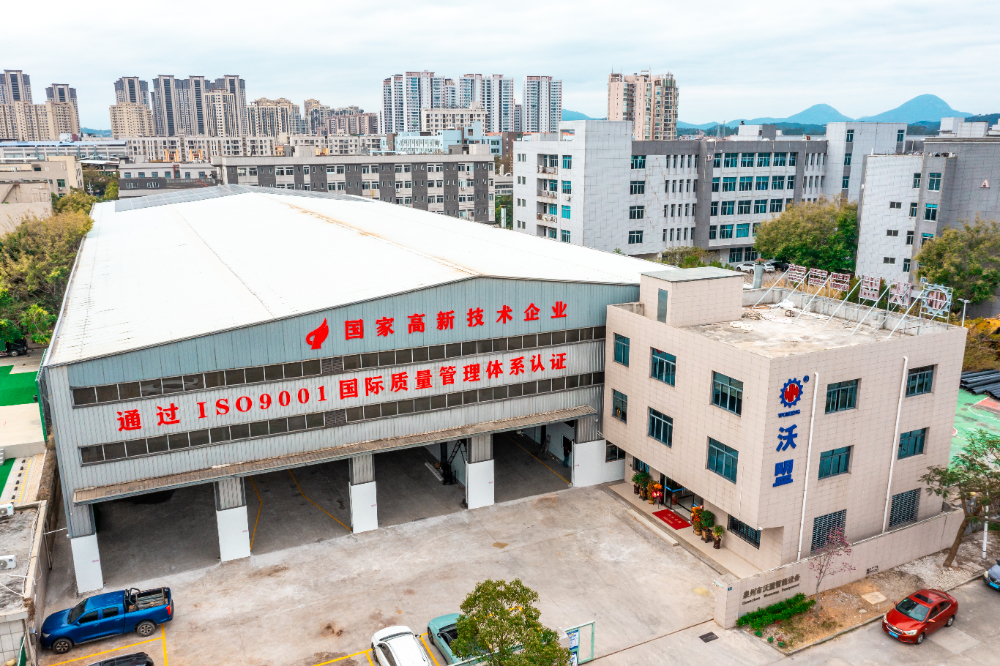

High-Speed Equipment for Manufacturing Adult Diapers: Boosting Production Efficiency
2026-03-24
In the competitive landscape of adult diaper manufacturing, efficiency is not just a goal—it's a necessity. As demand rises and quality standards tighten, manufacturers are turning to high-speed equipment to revolutionize their production lines. At Womeng, we understand that the right machinery can make all the difference, transforming challenges into opportunities for growth and innovation. This blog explores how cutting-edge high-speed solutions are boosting production efficiency, reducing costs, and ensuring superior product quality. Dive in to discover how these advancements are reshaping the industry and why staying ahead of the curve matters for your business's success.
Advancements in High-Speed Diaper Manufacturing Technology
High-speed manufacturing has redefined diaper production, with innovations in machinery and materials leading the charge. Modern assembly lines now achieve rates exceeding 1000 diapers per minute, a leap from earlier systems bogged down by manual adjustments. Key to this shift are servo-driven components that allow precise control over elastic placement and adhesive application, minimizing waste and downtime. These systems incorporate advanced sensors to detect material flaws in real-time, ensuring consistency across massive batches. The push for speed doesn't compromise quality; instead, it integrates with smart automation to adapt to varying product designs, from ultra-thin models to overnight variants, without sacrificing performance.
Material technology has evolved alongside machinery, with breakthroughs in superabsorbent polymers (SAP) and nonwoven fabrics enhancing both speed and functionality. New SAP formulations absorb liquid faster and more efficiently, allowing for thinner core designs that accelerate production cycles by reducing bulk. Concurrently, breathable backsheets and softer topsheets are manufactured at high velocities using extrusion and lamination techniques that maintain integrity under stress. This synergy between materials and machines enables rapid customization, such as adding wetness indicators or eco-friendly components, responding swiftly to market trends while keeping output high. Innovations like ultrasonic bonding replace slower adhesive methods, sealing layers seamlessly at breakneck speeds.
Sustainability and efficiency converge in recent advancements, as high-speed lines integrate circular economy principles. Equipment now facilitates the use of recycled or biodegradable materials without slowing down, thanks to optimized feeding systems and temperature controls. Data analytics play a crucial role, with IoT-enabled machines predicting maintenance needs and optimizing energy use, cutting costs and environmental impact. This holistic approach not only boosts output but also aligns with growing consumer demands for greener products, setting new industry benchmarks where speed and responsibility go hand-in-hand.
Key Machinery Enhancements for Faster Production Lines
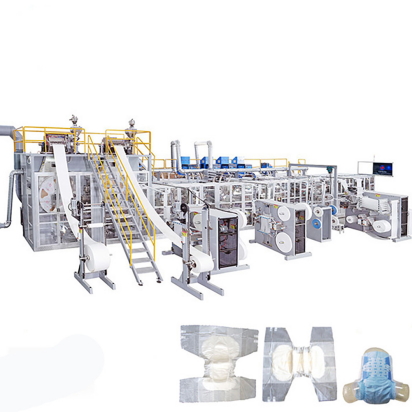
To accelerate production lines, integrating advanced machinery enhancements has become crucial. One effective approach involves upgrading to high-speed robotic arms with precision sensors, which streamline assembly tasks and reduce manual intervention. These upgrades not only boost throughput but also enhance quality control by minimizing human error. The result is a more efficient manufacturing process that meets increasing demand without sacrificing accuracy.
Another key enhancement focuses on predictive maintenance systems, which leverage IoT technology to monitor equipment health in real-time. By analyzing data from machine sensors, potential failures can be anticipated before they cause costly downtime. This proactive strategy ensures continuous operation, reducing disruptions and extending machinery lifespan. Implementing such systems allows production lines to maintain high speeds consistently, even under heavy workloads.
Additionally, optimizing conveyor systems with variable speed controls and automated sorting capabilities can significantly improve material flow. These enhancements adapt to different production phases, minimizing bottlenecks and maximizing efficiency. By fine-tuning these elements, manufacturers achieve faster cycle times and better resource utilization. This holistic approach integrates multiple enhancements to create a seamless, rapid production environment.
Optimizing Material Handling in Adult Diaper Assembly
In the adult diaper assembly process, optimizing material handling is key to boosting production speed and reducing waste. By streamlining the movement of materials like absorbent cores, non-woven fabrics, and adhesives from storage to the production line, companies can cut down on delays and avoid bottlenecks that often slow down operations. This might involve integrating automated conveyor systems or smart carts that deliver the right materials at precisely the right time, ensuring that assembly stations never run short. Adopting such targeted improvements not only smooths the workflow but also helps maintain consistent product quality, as materials are less likely to be damaged during transit or storage.
Another critical aspect is tailoring material handling strategies to fit the unique needs of adult diaper production, which can involve bulky or sensitive components. For instance, optimizing the layout of the assembly floor so that heavier materials like pulp are stored closer to the points of use can dramatically reduce travel time and labor strain. Implementing modular storage solutions and just-in-time delivery methods can also prevent material spoilage and reduce excess inventory, cutting costs while keeping the assembly line agile and responsive to shifts in demand. This approach transforms material handling from a routine task into a strategic advantage, directly impacting the bottom line.
Beyond physical logistics, optimizing material handling involves leveraging data and technology to predict and adapt to production demands in real time. Using sensors and IoT devices to monitor material flow, companies can gain insights into usage patterns and identify inefficiencies before they become major issues. This data-driven strategy not only enhances operational transparency but also supports continuous improvement cycles, allowing teams to refine processes based on actual performance rather than assumptions. Ultimately, a well-optimized material handling system in adult diaper assembly leads to a more resilient, efficient, and sustainable production environment, where every component moves seamlessly from start to finish.
Quality Control Innovations at High-Speed Operational Speeds
In modern manufacturing, achieving robust quality control at high operational speeds has become a critical challenge, driving innovations that blend advanced technology with real-time analytics. Traditional inspection methods often falter when production lines accelerate, leading to increased defect rates and costly downtime. To address this, industries are increasingly adopting AI-powered vision systems and sensor networks that can perform microsecond-level analyses without compromising accuracy. For instance, in automotive assembly, high-speed cameras integrated with machine learning algorithms now detect minute imperfections in welding or paint finishes as components zip by at rates exceeding hundreds per minute. These systems not only capture defects but also predict potential failures by analyzing patterns in data streams, enabling proactive adjustments before issues escalate. This shift from reactive to predictive quality management is transforming how manufacturers maintain standards while pushing the limits of speed, ultimately boosting efficiency and reducing waste.
Another groundbreaking innovation lies in the use of edge computing and IoT devices to decentralize quality checks across high-speed processes. Instead of relying solely on centralized systems that may introduce latency, edge devices placed directly on machinery process data locally, making instant decisions on product conformity. In food packaging, for example, sensors monitor fill levels, seal integrity, and contamination at speeds of over 1,000 units per minute, transmitting only critical alerts to operators. This approach minimizes bottlenecks and allows for continuous, non-stop production runs, which is essential in industries like pharmaceuticals where precision is paramount. By leveraging real-time feedback loops, companies can fine-tune parameters on the fly, ensuring that quality doesn't degrade as throughput increases. Such innovations highlight a move toward more agile, resilient manufacturing ecosystems that thrive under pressure.
Beyond hardware and software, cultural and procedural shifts are also key to sustaining quality at high speeds. Forward-thinking organizations are implementing dynamic training programs that equip staff with skills to interpret data dashboards and respond swiftly to anomalies. In aerospace manufacturing, teams use augmented reality interfaces to overlay quality metrics onto physical components during rapid assembly, catching discrepancies that might elude human eyes alone. Moreover, collaborative robots (cobots) work alongside humans to perform repetitive checks, freeing up personnel for more complex oversight tasks. This human-machine synergy ensures that innovation isn't just about technology but also about enhancing human capabilities. As operational speeds continue to rise, these integrated strategies—combining cutting-edge tools with adaptive workflows—are setting new benchmarks for quality assurance, proving that excellence can keep pace with velocity in today's fast-paced industrial landscape.
Energy Efficiency Solutions for Modern Production Facilities
In today's competitive industrial landscape, modern production facilities are increasingly turning to innovative energy efficiency solutions to cut costs, reduce environmental impact, and boost operational reliability. Gone are the days when energy consumption was merely an afterthought; now, forward-thinking companies integrate smart technologies, such as IoT sensors and cloud-based energy management systems, to monitor and optimize power usage in real-time. By leveraging data analytics, these facilities can identify inefficiencies in machinery, heating, and lighting systems, leading to targeted upgrades that often pay for themselves through significant savings. This shift not only aligns with global sustainability goals but also enhances productivity by minimizing downtime and extending equipment lifespan, making energy efficiency a cornerstone of modern industrial strategy.
Another key aspect involves adopting renewable energy sources, like solar panels or wind turbines, customized to the facility's location and energy demands. Beyond just installing green power, advanced co-generation systems capture waste heat from industrial processes to generate additional electricity or provide heating, creating a closed-loop system that maximizes resource utilization. Coupled with employee training programs that foster an energy-conscious culture, these measures ensure that savings are sustained over the long term. The result is a more resilient operation that not only withstands fluctuating energy prices but also attracts eco-conscious partners and customers, differentiating the facility in a crowded market.
Looking ahead, the integration of AI-driven predictive maintenance and flexible smart grids promises to further revolutionize energy management in production settings. By anticipating equipment failures before they occur, facilities can avoid energy-intensive breakdowns and schedule repairs during off-peak hours. Meanwhile, dynamic energy storage solutions, such as battery systems, allow for balancing supply and demand, reducing reliance on grid power during high-cost periods. This holistic approach transforms energy from a fixed expense into a strategic asset, empowering modern production facilities to achieve both economic and environmental advantages, ultimately setting a new standard for industrial innovation and responsibility.
Case Studies: Real-World Gains from Equipment Upgrades
In a manufacturing plant in Ohio, old assembly line machinery was causing frequent breakdowns, leading to production delays of up to 15%. After upgrading to automated systems with predictive maintenance features, the company not only reduced downtime by 40% but also saw a 25% increase in output within the first year. Employees reported easier operations and less stress, showcasing how modern equipment can transform daily workflows while delivering tangible financial benefits.
A logistics firm in Texas faced high fuel costs and inefficiencies with its aging truck fleet. By switching to newer, fuel-efficient models equipped with GPS and real-time tracking, they cut fuel consumption by 20% and improved delivery times by 30%. This upgrade enhanced customer satisfaction and allowed the company to expand services to new regions, demonstrating that equipment improvements can drive growth beyond simple cost savings.
At a healthcare facility in California, outdated diagnostic tools were limiting patient throughput and accuracy. Investing in advanced medical imaging technology not only doubled the speed of scans but also improved diagnostic precision by 35%, leading to better patient outcomes. The upgrade fostered a more collaborative environment among staff, as they could share data seamlessly, proving that equipment enhancements can elevate both performance and team dynamics in critical sectors.
FAQ
High-speed equipment significantly increases production output, reduces labor costs, and ensures consistent product quality, making facilities more competitive.
They feature advanced feeding systems that can precisely control and adjust for various materials, minimizing waste and maintaining speed.
Yes, many models are designed for modular integration, allowing upgrades with minimal downtime and training requirements.
Safety guards, emergency stop buttons, and automated monitoring systems are standard to prevent accidents and ensure compliance with regulations.
Absolutely—it often includes programmable settings for quick changeovers between sizes and designs, enhancing flexibility.
By boosting throughput and reducing per-unit costs, it improves profitability, especially for large-scale operations, despite higher initial investment.
Conclusion
The title "High-Speed Equipment for Manufacturing Adult Diapers: Boosting Production Efficiency" underscores a transformative shift in the industry, driven by technological innovation. Advancements in high-speed diaper manufacturing, as highlighted by key machinery enhancements and optimized material handling, have revolutionized production lines. Modern equipment allows for faster assembly without compromising quality, integrating sophisticated systems that streamline processes from raw material input to final packaging. This evolution not only accelerates output but also adapts to increasing demand, making facilities more responsive and competitive in a dynamic market.
Further improvements are evident in quality control innovations and energy efficiency solutions, which ensure reliability and sustainability at high operational speeds. Real-world case studies demonstrate tangible gains from equipment upgrades, such as reduced downtime and enhanced product consistency. By embracing these innovations, manufacturers achieve significant production efficiency boosts, fostering a more robust and future-ready industry that prioritizes both performance and environmental responsibility.
Contact Us
Contact Person: Jessie Lai
Email: [email protected]
Tel/WhatsApp: 86-188594442931
Website: https://www.wm-machinery.com