
High-Speed Baby Diaper Making Machines: Revolutionizing Infant Care with Fast and Efficient Manufacturing
2026-03-14
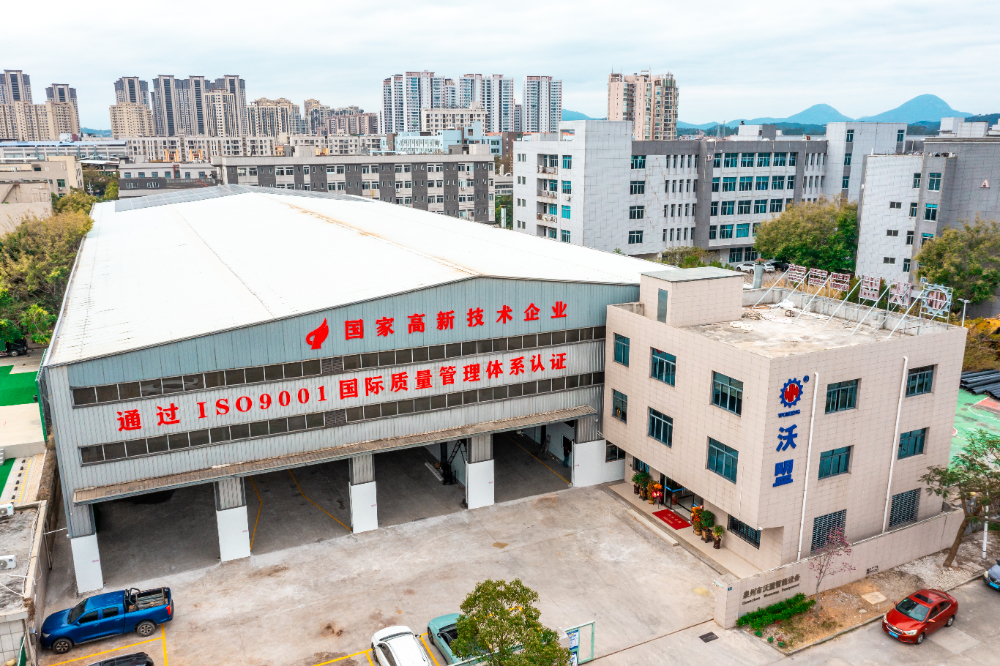
Welcome to the world of modern parenting, where innovation meets everyday needs in ways we could only dream of a generation ago. Imagine a factory floor humming with precision and speed, producing millions of baby diapers in just hours—ensuring comfort and hygiene for little ones worldwide. This isn't just industrial progress; it's a quiet revolution in infant care, reshaping how we meet the demands of growing families. At Womeng, we're at the forefront of this transformation, pioneering high-speed baby diaper making machines that blend efficiency with reliability. In this blog, we'll explore how these cutting-edge technologies are changing the game, from faster production lines to smarter designs that prioritize both baby wellness and environmental sustainability. Get ready to discover the unseen engineering marvels that make modern parenting a little easier and a lot more efficient—because when it comes to caring for the youngest among us, speed and quality shouldn't be a luxury. Dive in to learn how innovation is wrapping up comfort, one diaper at a time.
How Modern Diaper Machines Are Transforming Infant Care
Gone are the days of cloth diapers and manual folding, as cutting-edge diaper machines now streamline production with incredible precision. These sophisticated systems integrate advanced sensors and robotics to create diapers that are not only absorbent but also tailored to an infant's comfort, reducing leaks and irritations. By automating complex processes like adhesive application and elastic fitting, manufacturers can ensure consistent quality across millions of units, making reliable care more accessible globally.
Beyond mere efficiency, modern diaper machines incorporate eco-friendly innovations that address environmental concerns. Many machines now use biodegradable materials and optimize material usage to minimize waste, aligning with growing parental demand for sustainable products. This shift towards greener diapers, driven by machine technology, allows brands to offer options that are gentler on the planet without compromising on performance, transforming how families approach everyday infant hygiene.
The transformation extends to customization and smart features, as some advanced machines enable production of diapers with embedded moisture indicators or adjustable fits. This personalization enhances convenience for parents by providing real-time feedback on when a change is needed, fostering a more connected and responsive care routine. Through these technological leaps, modern diaper machines are redefining infant care from a basic necessity to a seamless, intuitive experience.
Key Innovations Driving Faster Production Lines
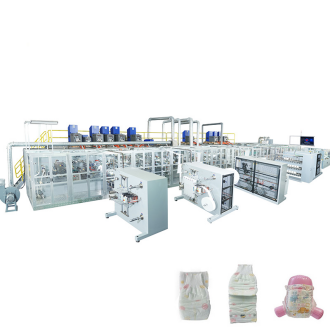
In the dynamic landscape of modern manufacturing, the push for faster production lines has been fueled by a blend of transformative technologies. At the forefront is the widespread integration of Internet of Things (IoT) devices, which enable real-time monitoring of equipment health and production flow. This data-driven approach allows factories to identify bottlenecks almost instantly, adjusting processes on the fly to minimize downtime and boost throughput. By connecting sensors to every stage of assembly, manufacturers gain unprecedented visibility, turning raw data into actionable insights that streamline operations from raw material input to finished product output.
Alongside IoT, the adoption of advanced robotics and collaborative robots (cobots) has revolutionized assembly lines by handling repetitive or precise tasks with unmatched speed and consistency. These robots can work alongside human operators, enhancing efficiency without requiring extensive reconfigurations of existing setups. Their ability to learn and adapt through machine learning algorithms means they continuously optimize movements and sequences, reducing cycle times and errors. This synergy between human ingenuity and robotic precision not only accelerates production but also improves safety, allowing teams to focus on more complex, value-added activities.
Another critical innovation is the rise of additive manufacturing, or 3D printing, which complements traditional methods by enabling rapid prototyping and on-demand production of parts. This reduces lead times for custom components, eliminating delays associated with sourcing and shipping. When integrated into lean manufacturing principles, these innovations collectively foster agile, responsive production environments that can swiftly adapt to market demands, ensuring a competitive edge in an era where speed and flexibility are paramount.
Meeting Global Demand with Efficient Manufacturing
In an era where consumer expectations rise alongside environmental concerns, businesses face the dual challenge of scaling production to meet worldwide needs while minimizing waste and resource consumption. Efficient manufacturing isn't just about cutting costs—it's a strategic approach that integrates smart technologies, lean processes, and sustainable practices to ensure products reach diverse markets reliably and responsibly. By optimizing every stage from raw material sourcing to final assembly, companies can respond swiftly to fluctuating demand without sacrificing quality or ethical standards.
One practical example lies in adopting data-driven automation, which allows factories to adjust output in real-time based on global sales trends, reducing overproduction and stockpiles. This agility is complemented by circular economy models, where materials are reused or recycled, slashing both environmental impact and long-term expenses. As innovations like 3D printing and AI-driven predictive maintenance become mainstream, manufacturers can pivot faster to emerging markets, ensuring that efficiency translates into broader accessibility and resilience against supply chain disruptions.
Ultimately, meeting global demand efficiently requires a cultural shift—prioritizing collaboration across borders, investing in workforce training for advanced systems, and aligning operational goals with broader societal benefits. Companies that embrace this holistic view not only gain a competitive edge but also contribute to a more stable and equitable global economy, where growth is sustainable and inclusive for all stakeholders.
Benefits for Parents: Convenience and Affordability
For busy parents juggling work and family life, finding childcare options that truly fit into hectic schedules can be a constant challenge. The convenience offered by our services means no more last-minute scrambles or stressful logistics; whether it's flexible scheduling, easy-to-use apps for booking and communication, or reliable availability during peak times, we streamline everything so parents can focus on what matters most.
Affordability is another key advantage, making quality care accessible without breaking the bank. Unlike many providers with hidden fees or rigid packages, we offer transparent pricing and customized plans that adapt to different budgets. From discounts for multiple children to pay-as-you-go options, parents can choose what works financially, ensuring peace of mind without sacrificing the standard of care their little ones deserve.
Together, these benefits create a seamless experience where parents can trust they're getting value and reliability every step of the way. It's not just about saving time or money—it's about building a partnership that supports the whole family, making daily routines smoother and more manageable from morning drop-offs to evening pickups.
Environmental Considerations in High-Speed Production
In high-speed production, balancing efficiency with ecological responsibility is a critical challenge. Rapid manufacturing processes often consume significant energy and resources, potentially increasing waste and emissions if not managed carefully. To address this, companies are implementing innovative solutions, such as optimizing machine performance to reduce idle times and integrating advanced control systems that minimize material usage. For instance, adopting lean manufacturing principles can help streamline operations, cutting down on excess production and associated environmental impacts without sacrificing output speed. These steps not only enhance sustainability but can also improve overall operational resilience.
Beyond operational tweaks, the choice of materials plays a key role in reducing the environmental footprint of high-speed production. By selecting recyclable or biodegradable materials, manufacturers can lower waste and decrease dependency on finite resources. For example, using recycled plastics or aluminum in fast-paced assembly lines helps close the loop on material cycles, while exploring bio-based alternatives offers long-term benefits as demand grows. Additionally, investing in durable, high-quality components can extend product lifespans, reducing the frequency of replacement and manufacturing cycles, which in turn conserves energy and raw materials over time.
Another aspect often overlooked is the integration of renewable energy sources into production facilities. High-speed operations typically rely on consistent power, which traditionally comes from fossil fuels, contributing to carbon emissions. However, by installing solar panels or wind turbines onsite, companies can offset some of this energy demand, making their processes greener. Coupled with smart grid technology, this allows for more efficient energy distribution, ensuring that production can maintain its pace while aligning with environmental goals. This forward-thinking approach not only reduces operational costs in the long run but also positions companies as leaders in sustainable innovation.
The Future of Baby Care Technology
As innovations in smart devices and artificial intelligence continue to reshape everyday life, baby care technology is poised to become more intuitive and personalized than ever before. Parents can expect solutions that adapt to their child's unique needs, from sleep patterns to feeding schedules, with minimal manual input. Wearables and connected home systems will likely integrate seamlessly, providing real-time insights and alerts that help caregivers respond proactively rather than reactively.
Imagine a world where subtle cues, such as a baby's cry or movement, are analyzed to detect early signs of discomfort or illness before they escalate. Advanced sensors and machine learning algorithms could offer tailored recommendations, whether it's adjusting room temperature or suggesting soothing techniques. This shift toward anticipatory care not only enhances safety but also reduces stress for families, fostering a more nurturing environment during those crucial early years.
Beyond monitoring, future technologies may foster deeper bonding through interactive tools that aid in developmental milestones. For instance, augmented reality apps could guide parents in stimulating activities tailored to their baby's growth stage, while voice assistants provide gentle reminders for health check-ups. As these innovations evolve, they'll likely prioritize simplicity and accessibility, ensuring that cutting-edge support becomes a natural part of parenting rather than a complex chore.
FAQ
They enable rapid, large-scale production of diapers, ensuring consistent supply to meet global demand while maintaining quality standards for infant comfort and hygiene.
By automating processes with advanced robotics and precision engineering, they significantly reduce production time and waste, allowing for faster output and lower operational costs.
Features include multi-lane production capabilities, real-time quality sensors, and adaptive material handling systems, all designed to enhance speed and reliability in diverse manufacturing environments.
Increased efficiency reduces production costs, making diapers more affordable for families worldwide and improving access in underserved markets, supporting better infant care globally.
They optimize material usage through precise cutting and minimal waste, and some models incorporate eco-friendly materials, helping reduce the environmental footprint of disposable diapers.
Recent advancements include AI-driven quality control, modular designs for easy upgrades, and energy-efficient motors, pushing the boundaries of speed and customization in the industry.
Conclusion
High-speed baby diaper making machines are fundamentally changing the landscape of infant care through rapid and efficient manufacturing. These advanced systems enable the production of diapers at unprecedented speeds, directly translating to greater availability and reduced costs for consumers globally. By leveraging innovations in automation and material handling, manufacturers can meet soaring demand while maintaining stringent quality standards. This technological shift ensures that essential hygiene products are accessible to more families, particularly in regions with growing populations or limited resources.
Beyond mere production speed, these machines incorporate features that enhance user convenience and affordability, addressing the practical needs of parents. Modern designs also prioritize environmental considerations, such as reducing waste and optimizing energy use, reflecting a commitment to sustainable practices. Looking ahead, continued advancements promise even smarter, more efficient diaper technologies, poised to further revolutionize infant care. The integration of high-speed manufacturing with thoughtful innovation not only supports better health outcomes but also sets a new benchmark for the industry’s future.
Contact Us
Contact Person: Jessie Lai
Email: [email protected]
Tel/WhatsApp: 86-188594442931
Website: https://www.wm-machinery.com