

High Quality Ride-On Power Trowel Manufacturer Insights for Flawless Concrete Floors
2026-06-14
Achieving flawlessly smooth concrete floors is no small feat—it demands precision, the right equipment, and deep know-how. As a leading ride-on power trowel manufacturer, Dynamic understands the challenges contractors face on the job site. In this post, we share insider insights on how high-quality trowels make all the difference, from reducing labor fatigue to delivering a mirror-like finish. Read on to discover what sets premium machines apart and how to elevate your next concrete project.
The Engineering Behind Smooth Concrete Surfaces
Achieving a flawlessly smooth concrete surface isn't just a matter of pouring and waiting. It starts deep in the mix design. A lower water-to-cement ratio is critical—less water means fewer capillary pores and a denser finish. But you can't just cut water without consequences; that's where plasticizers come in, keeping the mix workable without sacrificing long-term strength.
Timing is everything once the concrete hits the form. The art of troweling relies on letting the bleed water evaporate just enough so the surface can be worked without sealing moisture inside. Power trowels with pan floats compress the fines to the top, creating a hard, burnished skin. Skilled finishers read the sheen of the concrete like a clock, knowing exactly when to switch from floating to steel-troweling to avoid blistering or delamination.
For truly high-tolerance slabs, engineering goes beyond manual skill. Laser-guided screeds ensure flatness to within millimeters over vast floors. Admixtures like silica fume or viscosity modifiers can refine the pore structure even further, yielding surfaces that resist dusting and wear for decades. And the final secret? A proper cure—keeping that surface hydrated for days—locks in the smoothness by allowing the crystalline structure to fully develop without premature drying.
How Precision Manufacturing Elevates Floor Flatness
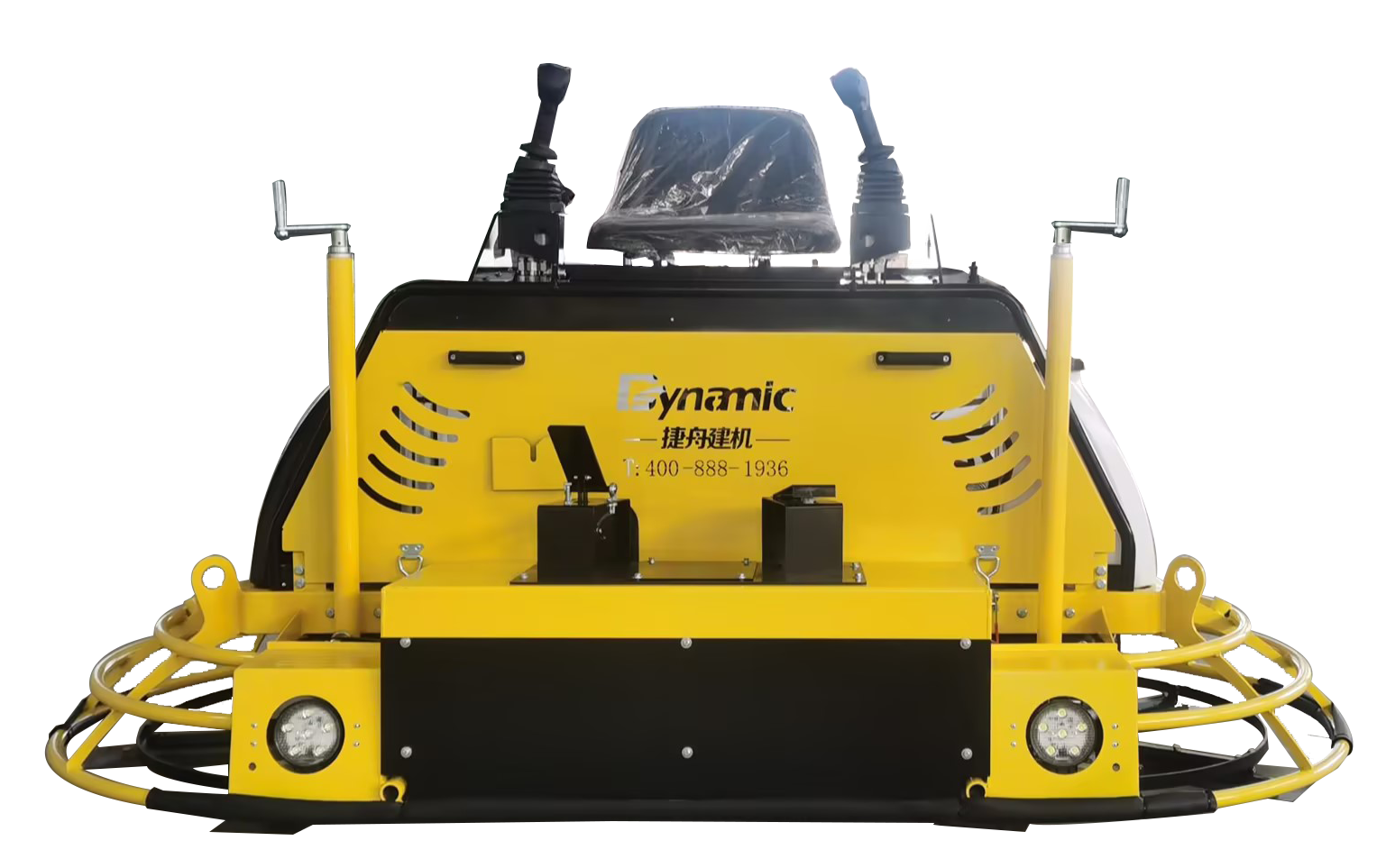
In modern construction, the push toward tighter tolerances starts long before concrete is poured. Precision manufacturing transforms floor flatness by shaping the very tools and systems that define the sub-base. Laser-guided screeds, computer-machined formwork, and meticulously fabricated shoring components all carry consistent geometries that reduce undulation at the earliest stage. When each piece of equipment arrives on site with millimeter-level accuracy, the resulting slab inherits a predictable, even surface that traditional hand-set methods simply cannot replicate.
The influence extends deep into the concrete mix itself. Automated batching plants using precision weighing and moisture sensors produce a blend with uniform slump and aggregate distribution, eliminating batch-to-batch inconsistencies that often cause localized settlement and waviness. Advanced admixture dispensers, governed by real-time feedback loops, adjust dosing to match ambient conditions, preserving workability without excessive bleeding or early stiffening. This level of control means the concrete flows, consolidates, and cures as a homogeneous body, locking in flatness rather than relying on remedial grinding.
Post-pour operations also benefit from manufacturing precision. Power trowels fitted with digitally controlled blade pitch and rotational speed can scan the surface in micro-increments, adapting to minute deviations that human operators would miss. Joint cutters guided by laser alignment create clean, straight control lines that prevent random cracking and preserve the slab's planar integrity. Even curing compounds are applied with metered spray systems that maintain a constant film thickness, avoiding the uneven moisture loss that often bows slabs. Together, these engineered touchpoints weave a continuous thread of accuracy from the factory floor to the finished floor, making exceptional flatness a build-in feature rather than a field compromise.
Operator Techniques That Prevent Surface Defects
Skilled operators know that preventing surface defects starts long before the polishing wheel even touches the metal. It’s about how they hold the workpiece, the steady rhythm they maintain, and the instinct to ease off when something feels slightly off. Small habits make all the difference: wiping down clamping surfaces with a lint-free cloth, keeping bare hands away from freshly machined faces, and always entering a cut with the same light touch. When every pass is deliberate, the final finish almost takes care of itself.
Beyond the basics, experienced machinists develop an eye for spotting trouble early. They watch for minute changes in chip formation, listen for unexpected harmonics, and know exactly when to swap out an insert before it degrades the surface. Cleanliness is another quiet obsession—brushing away debris, filtering coolant, and never dragging a component across a dirty bench. These routines aren’t just about looking neat; they directly prevent scratches, scuffs, and other flaws that erode quality and trust in the final product.
Material Selection in Trowel Blade Design
The choice of material for a trowel blade heavily influences its durability, flexibility, and overall performance. Carbon steel remains a popular option due to its excellent balance of hardness and cost-effectiveness, allowing the blade to maintain a sharp edge through repeated use. However, it requires regular maintenance to prevent rust, especially in damp conditions. Stainless steel offers superior corrosion resistance, making it ideal for jobs involving wet materials or frequent exposure to moisture, though it can be slightly softer and may lose its edge faster.
For applications demanding precision and reduced fatigue, lightweight aluminum or magnesium blades are sometimes favored, but they sacrifice the toughness needed for heavy-duty scraping or leveling. Specialty blades may incorporate coatings like chrome or titanium nitride to extend life and reduce friction, blending the benefits of a resilient core with a hardened surface. Ultimately, the right material depends on the specific task, the user’s preferred balance between edge retention and ease of use, and the working environment.
Real-World Insights from Job Site Testing
Out on the job site, theories quickly crumble under the weight of reality. We’ve seen equipment that breezes through lab tests struggle with the simplest tasks when faced with dust, uneven terrain, and tight deadlines. One excavator, a star in controlled trials, chugged and stalled within hours in the field because its air filters clogged far faster than anyone anticipated. These moments force us to rethink design assumptions and remind us that comfort in a testing bay doesn't translate to capability on a muddy slope.
Field testing also exposes the unpredictable human element—operators who improvise fixes, ignore warning lights, or push machines beyond their rated limits. During a recent bridge project, we watched a crane operator repeatedly override safety parameters to squeeze extra reach out of the boom. While alarming, it revealed a genuine gap between certified limits and practical necessity. This kind of feedback can’t be replicated in a sterile lab; it comes only from days spent sweating alongside crews, listening to their grumbles and workarounds.
Perhaps the most valuable takeaway is that reliability isn’t just about mechanical endurance—it’s about how well a machine signals its needs. At a wind farm site, a turbine’s cryptic error codes led to hours of downtime while techs paged through manuals. A simple, intuitive alert system would have slashed that time dramatically. When you’re on-site, you realize maintenance doesn’t happen in a vacuum; it happens under pressure, in bad weather, with limited tools. Designing for that reality separates equipment that earns trust from equipment that gathers dust.
Long-Term Reliability Through Robust Component Choices
A product is only as durable as its weakest part, which is why every component in the design undergoes rigorous qualification before integration. Rather than chasing the lowest-cost suppliers, the engineering team prioritizes components with extended temperature tolerance, verified lifecycle data, and proven performance in demanding industrial environments. Each capacitor, connector, and semiconductor is selected from manufacturers that maintain strict variation control, ensuring that units produced this month behave identically to those built years from now—a detail that quietly prevents field failures.
Beyond individual part selection, the design avoids single points of stress by operating critical components well below their maximum ratings. This practice, often called derating, directly reduces thermal runaway risks and counteracts parameter drift over time. For example, electrolytic capacitors are chosen with voltage ratings at least 30% higher than the actual working voltage, substantially extending their functional lifespan. Such intentional over-engineering means the system stays within safe margins even as ambient conditions fluctuate or hardware ages.
Long-term reliability also depends on supply-chain discipline. The bill of materials is locked once validated, and any proposed substitution must pass a full qualification loop—including temperature cycling, vibration testing, and accelerated aging—before approval. This approach weeds out parts that might work on paper but degrade unpredictably in real-world operation. By combining conservative design margins with a no-exceptions change-control process, the architecture carries forward the same predictable behavior year after year, even as the surrounding technology landscape evolves.
FAQ
Look beyond glossy brochures. A solid manufacturer will have a long track record of engineering refinement, not just assembly. Check if they design their own gearboxes and have in-house testing facilities that simulate years of heavy use. Real insight comes from visiting their factory floor and talking to the welders and engineers, not just sales reps.
It’s about dynamic balance and weight distribution that you can feel. Premium machines use a floating pan system that reacts to the concrete’s hydration stage, not just blade pitch. Combined with hydraulic steering that has zero play, the trowel practically reads the slab for you. The operator becomes a supervisor of the process, not a constant corrector.
Definitely. Look at the spider assembly – cast ductile iron versus fabricated steel tells you a lot about vibration absorption. A dual pitch control that’s infinitely variable, rather than stepped, gives you that creamy finish. Also, overlapping, non-marking blades that leave no swirl lines are a sign that the manufacturer understands finishing, not just cutting.
Because horsepower sells engines, but torque finishes floors. When you’re floating early with heavy pans and wet concrete, immediate low-end torque prevents stalling and lets you keep a steady pace. High torque at working RPM means the machine doesn’t bog down when you encounter slightly stiffer spots, maintaining a uniform floor surface without blade dig-in.
Blade flex and spider bushing wear are silent finish killers. Most operators check oil and fuel, but few periodically measure blade pitch synchrony across all arms. A few degrees off and you’re fighting the machine, leaving subtle chatter marks. Also, steam cleaning after every job isn’t just cosmetic – it stops concrete buildup that changes balance.
The best manufacturers don’t just ship a box. They’ll have application specialists who understand your local aggregates and weather. They might suggest a specific blade combination for your mix design that you’d never find in a catalog. When you can call at midnight because a gearbox seal failed and get a fix, not a voicemail, that’s a partner – not a supplier.
Conclusion
Crafting flawlessly smooth concrete floors demands more than just powerful machinery—it requires a deep integration of engineering precision and practical know-how. Our ride-on power trowels are built on a foundation of meticulous blade design, where material selection is as critical as the alloy's heat treatment. The right steel or composite edge prevents gouging and drag, while blade pitch and overlap are calculated to distribute pressure evenly, eliminating high spots before they form. In manufacturing, we go beyond standard tolerances: every rotor assembly is dynamically balanced, and spider arms are machined to near-perfect flatness, ensuring that the trowel's motion translates directly into a planar surface. These engineering choices directly elevate floor flatness and levelness, giving operators a machine that responds predictably even at high speeds.
Yet, technology alone isn't enough—operator technique and real-world validation make the difference between a good floor and a flawless one. We emphasize training that teaches operators to read the concrete's sheen and moisture loss, timing each pass to avoid surface tearing or burning. Insights from job site testing have repeatedly shown that small adjustments in blade angle and travel speed can prevent common defects like chatter marks and swirls. Our long-term reliability philosophy kicks in with component choices: sealed bearings against dust ingress, heavy-duty gearboxes with oil-bath lubrication, and frames engineered for torsional rigidity. These robust elements ensure that day after day, the trowel maintains its precision, delivering mirror-like floors without costly callbacks. It's this blend of hands-on feedback and durable manufacturing that sets the standard for high-performance concrete finishing.
Contact Us
Contact Person: Annie
Email: [email protected]
Tel/WhatsApp: 8613391442963
Website: https://www.dynamic-eq.com