
Full Automatic Sanitary Pad Making Machine: Revolutionizing Hygiene Product Manufacturing
2026-03-18
In the evolving landscape of hygiene product manufacturing, innovation drives progress and efficiency. The "Full Automatic Sanitary Pad Making Machine" stands at the forefront of this revolution, transforming traditional processes with cutting-edge technology to ensure superior quality and sustainability. At Womeng, we are proud to lead this charge, empowering businesses to meet global demands with precision and reliability. Join us as we delve into how these advanced machines are reshaping the industry, offering insights into their benefits and the future of hygiene production. Discover the seamless integration of automation and hygiene excellence that sets Womeng apart, and explore the possibilities that lie ahead in this dynamic field.
Understanding Full Automation in Sanitary Pad Production
Imagine a production line where every step, from raw material handling to packaging, operates seamlessly without human intervention. Full automation in sanitary pad manufacturing represents this advanced stage, leveraging robotics and smart systems to enhance efficiency and hygiene. By integrating sensors and automated controls, factories can maintain consistent quality while reducing manual errors, ultimately delivering products that meet stringent health standards.
Beyond mere efficiency, this approach transforms the production environment into a highly adaptable space. With real-time data analytics, automated lines can adjust to varying demands, ensuring minimal waste and optimal resource use. It's a shift towards sustainability, as precise material application reduces excess and supports eco-friendly initiatives in the industry.
For consumers, this innovation means more reliable and accessible products. Automated systems enable faster production cycles, helping to meet global needs without compromising on safety. By embracing such technology, manufacturers are not just upgrading their processes but redefining what it means to produce personal care items in a modern, responsible way.
Key Components of a Modern Pad Making Machine
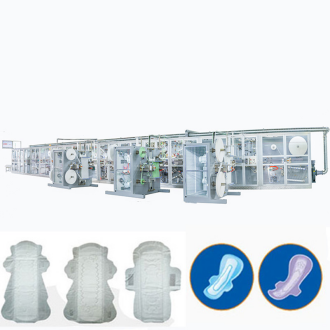
A modern pad making machine typically includes a critical feeding system that precisely unwinds paper rolls, often equipped with sensors to detect jams and ensure continuous operation. This component allows for high-speed production while minimizing waste, crucial for efficiency in large-scale manufacturing settings.
The gluing unit is another essential part, applying adhesive evenly across the sheets to create secure binds without overflow. Advanced models feature adjustable glue patterns, enabling customization for different pad sizes and paper types, which enhances versatility in diverse production runs.
Finally, the cutting and stacking assembly trims the pads to exact dimensions and organizes them into neat piles for packaging. With automated controls and safety guards, this component streamlines the final stages, reducing manual labor and boosting overall output quality.
How Automation Enhances Efficiency and Consistency
Automation revolutionizes workflows by streamlining repetitive tasks, allowing teams to focus on creative and strategic efforts that drive innovation. By minimizing manual intervention, it reduces errors and accelerates processes, leading to significant time savings and enhanced productivity.
Beyond speed, automation ensures consistency by applying uniform rules and standards across operations. This reduces variability in outputs, whether in manufacturing, data analysis, or customer service, resulting in reliable and high-quality outcomes that build trust and improve overall performance.
As a tool for continuous improvement, automation adapts to evolving needs, integrating feedback loops and analytics to refine processes over time. This dynamic approach not only boosts efficiency but also fosters a culture of precision and excellence, making organizations more agile and competitive.
Sustainability Benefits in Hygiene Manufacturing
When it comes to hygiene manufacturing, sustainability isn't just a trend—it's becoming a core part of how companies operate. By adopting eco-friendly practices, manufacturers can reduce their environmental impact, such as cutting down on water usage and minimizing waste during production. This shift not only helps protect the planet but also boosts efficiency, ensuring resources are used wisely and cost-effectively. It shows how modern hygiene products can be made responsibly without compromising quality, setting a positive example for the industry.
Another key benefit is the improvement in workplace conditions that comes with sustainable methods. By using safer, non-toxic materials and reducing harmful emissions, manufacturers create healthier environments for employees. This focus on well-being can lead to higher job satisfaction and productivity, fostering a culture of care that extends beyond the factory walls. It demonstrates that sustainability in hygiene manufacturing isn't just about the end product—it's also about supporting the people who make it, making the whole process more ethical and appealing.
Moreover, sustainable hygiene manufacturing can build stronger relationships with consumers who are increasingly conscious of their choices. By offering products made from renewable or recycled materials, companies can meet the demand for greener options and enhance brand loyalty. This approach often includes transparent communication about sourcing and production methods, helping customers make informed decisions. In this way, sustainability becomes a powerful tool for innovation and growth, driving the industry forward while making a meaningful difference in everyday lives.
Customization Options for Diverse Product Ranges
Our customization options are designed to seamlessly adapt to a wide variety of products, from electronics and apparel to home goods and industrial equipment. We understand that every product line has unique demands, so our solutions are built to be versatile and intuitive. Whether you're personalizing colors, sizes, or features, we ensure that the process is straightforward and efficient, allowing businesses to tailor offerings without slowing down production.
We offer a range of tools and services that make customization accessible for both small batches and large-scale orders. Our approach isn't just about adding options; it's about enhancing the user experience through smart design, ensuring that modifications fit naturally into the product's overall functionality. This flexibility helps brands stand out by delivering exactly what customers want, boosting satisfaction and loyalty in competitive markets.
What sets us apart is our focus on integration and sustainability. We work closely with clients to develop customization strategies that align with their brand identity and operational goals, minimizing waste and maximizing value. By leveraging innovative technologies, we enable rapid prototyping and easy updates, keeping products relevant as trends evolve. This makes our customization options not just a feature, but a core part of building adaptable, future-ready product ranges.
Impact on Global Hygiene Standards and Accessibility
The ripple effects of improved hygiene standards are reshaping global health landscapes, making essential practices like handwashing and sanitation more than just recommendations—they're becoming integrated into daily life across diverse communities. From rural villages to bustling urban centers, initiatives that emphasize clean water access and waste management are not only curbing disease outbreaks but also fostering a cultural shift towards proactive well-being. This transformation is particularly evident in regions historically plagued by preventable illnesses, where simple yet scalable solutions are bridging gaps and setting new benchmarks for public health.
Accessibility sits at the heart of this evolution, as innovations in affordable and user-friendly products bring hygiene within reach for populations often overlooked. Think solar-powered water purifiers in off-grid areas or biodegradable soaps designed for low-income households—these tools are dismantling barriers that once made cleanliness a luxury. By prioritizing inclusivity, such advancements ensure that everyone, regardless of economic status or geographic location, can participate in healthier living, ultimately reducing disparities and building more resilient societies.
Beyond immediate health benefits, this synergy between higher standards and broader accessibility is sparking economic and educational opportunities. When communities experience fewer sick days and lower medical costs, resources can be redirected towards schooling and entrepreneurship, creating a virtuous cycle of growth. Moreover, as global awareness spreads, it fosters cross-border collaborations that share best practices, ensuring that progress isn't isolated but woven into the fabric of international development, paving the way for a cleaner, more equitable future.
FAQ
The Full Automatic Sanitary Pad Making Machine is a modern, integrated system that produces sanitary pads end-to-end without manual intervention. It revolutionizes hygiene product manufacturing by significantly boosting production speed, ensuring consistent quality, and reducing labor costs, making sustainable feminine care more accessible globally.
This machine is fully automated with features like continuous material feeding, precise layering of absorbent cores, automated cutting and shaping, and packaging systems. It uses sensors and programmable controls to monitor each step, minimizing human input and maximizing efficiency for seamless operation.
By automating the process, the machine eliminates human errors and contamination risks. It ensures uniform thickness, accurate adhesive application, and sterile conditions, resulting in pads that are more reliable, comfortable, and hygienic for users.
The machine optimizes material usage, reducing waste from production scraps. It can also handle eco-friendly materials like biodegradable or organic fibers, supporting sustainable manufacturing practices and lowering the environmental footprint of hygiene products.
Automation cuts down on labor expenses and reduces downtime with high-speed operation. It lowers energy consumption through efficient design and decreases material waste, leading to overall lower production costs and higher profitability for manufacturers.
While initially an investment, the machine is designed with scalability, so businesses can start with modular systems and expand. It offers long-term savings and competitive advantages, making it increasingly viable for smaller enterprises through financing options.
Future upgrades may include AI-driven quality control, IoT integration for remote monitoring, and customization capabilities for different absorbency levels or designs. This could lead to even smarter, more adaptive production lines tailored to consumer needs.
Conclusion
Full automatic sanitary pad machines have transformed hygiene product manufacturing by integrating advanced automation into every production stage. These systems eliminate manual intervention, ensuring precise control from raw material handling to final packaging. Key components like automated feeding systems, high-speed forming units, and quality sensors work in harmony to maintain consistency and reduce waste. By enhancing efficiency, these machines enable manufacturers to produce large volumes with minimal errors, addressing global demand while lowering operational costs. The shift to full automation not only streamlines processes but also supports sustainability through optimized material usage and energy-saving technologies, aligning with modern environmental goals.
Beyond operational benefits, these machines revolutionize hygiene standards by offering extensive customization for diverse product ranges, from ultra-thin pads to overnight variants. This adaptability meets varied consumer needs across different markets, improving accessibility and inclusivity. The impact extends globally, as automated production helps standardize quality and affordability, making essential hygiene products more available in underserved regions. By combining automation with sustainability and customization, full automatic sanitary pad machines are reshaping the industry, fostering innovation and elevating global hygiene practices to new levels of reliability and inclusivity.
Contact Us
Contact Person: Jessie Lai
Email: [email protected]
Tel/WhatsApp: 86-188594442931
Website: https://www.wm-machinery.com