

China Used Road Rollers: Your Guide to Affordable Heavy Machinery
2026-05-27
When it comes to heavy machinery, finding a balance between cost and reliability is often the hardest part of any project. Used road rollers can be a game-changer—if you know where to look and what to avoid. JILIANG CHI has been quietly reshaping how contractors source this essential equipment, offering a smarter path to affordable quality. This guide unpacks what you need to know before buying, from key inspection points to hidden costs, so you can roll forward with confidence.
What Makes Used Road Rollers a Smart Investment for Your Fleet
Adding a used road roller to your fleet can be a strategic move that pays off quickly. These machines often come with a significantly lower price tag compared to new models, freeing up capital for other areas of your business. Despite being previously owned, many rollers still have plenty of life left in them, especially if they come from reputable sources with documented maintenance histories. You're essentially getting a workhorse that has already depreciated, meaning your investment holds its value better over time. Plus, with the variety of makes and models available, you can find a roller tailored to your specific compaction needs without stretching your budget.
Another advantage is immediate availability. New equipment often requires weeks or months of waiting due to manufacturing backlogs, but a used roller can be on your job site in a matter of days. This flexibility helps you respond to project demands without delay, keeping your operations running smoothly. Beyond that, the learning curve for operators is minimal—road rollers are robust and straightforward machines, so you won't lose time training people on overly complex technology. Instead, your crew can get to work right away, enhancing productivity from day one.
Maintenance can also be more manageable with a pre-owned roller. Parts for older models are widely accessible, and many mechanics are familiar with their systems, which reduces downtime and repair costs. Instead of navigating proprietary technology or waiting for specialized service, you can rely on a broader network of support. And if your projects are seasonal or variable, the lower initial outlay makes it easier to keep a roller on standby without feeling the pressure of constant utilization. In the end, it's a practical way to expand your capabilities while keeping your fleet nimble and cost-efficient.
Key Types of Road Rollers and Where They Excel
Smooth drum rollers are the workhorses of asphalt paving. Their heavy cylindrical drums distribute weight evenly, making them perfect for the final compaction of hot mix asphalt on highways, parking lots, and city streets. The absence of tread means they leave behind a flat, seamless surface that resists water penetration and wear. Because the drum itself can be static or vibratory, these machines adapt well to different lift thicknesses—vibration helps settle granular bases, while static mode is often the last pass to eliminate marks.
Padfoot and sheep’s foot rollers take a different approach, using an array of projecting feet to concentrate pressure deep into the ground. This design excels on cohesive soils like clay and silt, where kneading and compaction must happen from the bottom up to avoid trapped air pockets. As the roller passes, each foot presses into the soil, then retracts, effectively working the material and improving density at depth. You’ll often see them on dam construction, landfill caps, and subgrade preparation, especially when specifications call for high compaction in heavy, sticky soils.
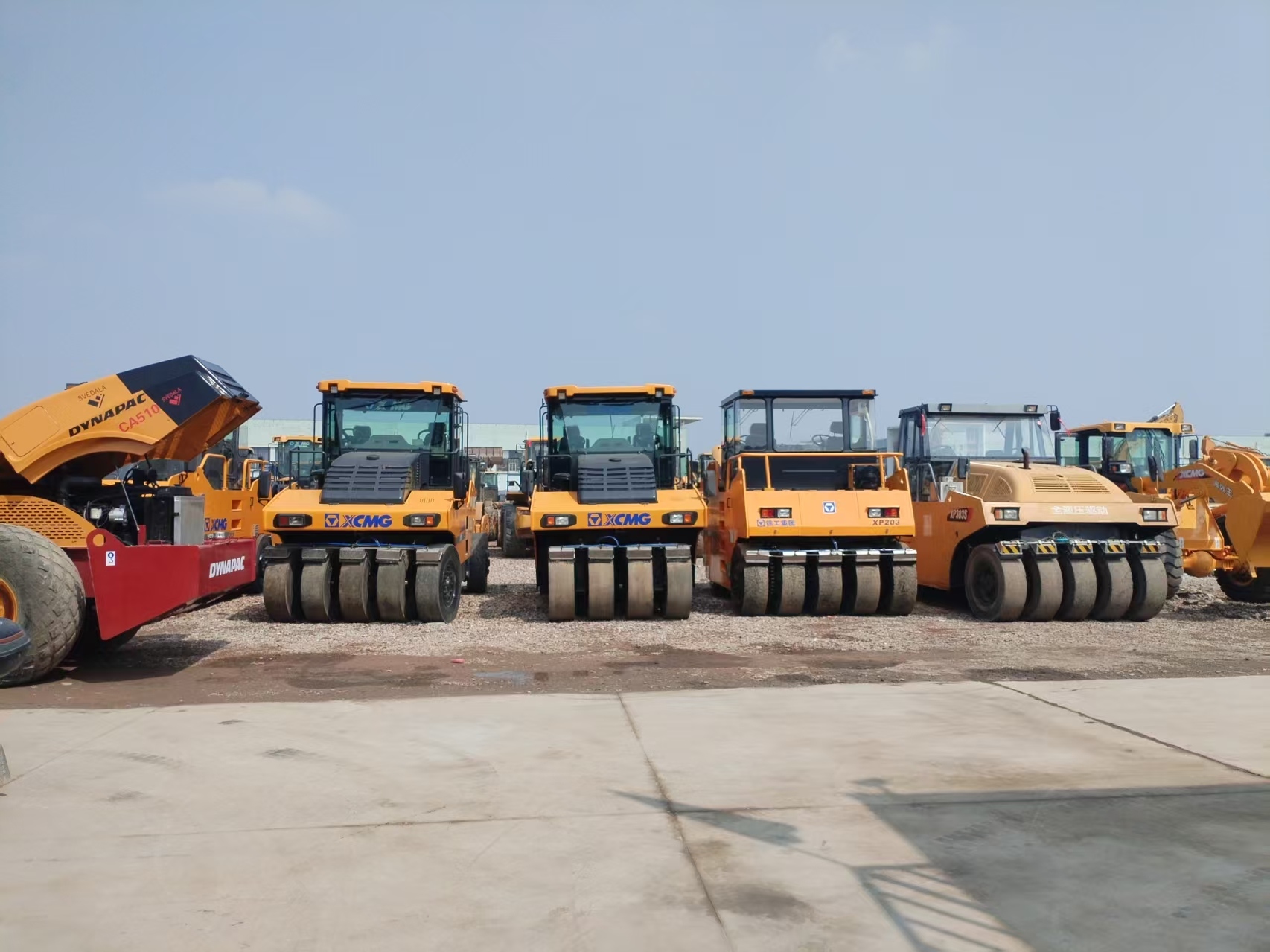
Pneumatic rollers swap solid steel for a row of rubber tires, and that change brings a kneading action that seals the surface course of asphalt. The tires’ flexing action mimics the rolling of traffic, pressing out tiny voids and creating a tight, durable finish that stands up to cracking. They’re the go-to choice for chip seal projects and thin overlays, where a smooth drum might shatter the aggregate or fail to seat it properly. Operators also value the way a pneumatic roller can adjust tire pressures on the fly to match the material’s needs, making it one of the most versatile finishing tools on any road crew.
Inspecting a Used Roller: Critical Checkpoints to Avoid Costly Mistakes
Before you commit to buying a used roller, take the drum seriously. It’s the part that does the actual work, so any uneven wear, dents, or cracks can turn into big headaches. Run your hand over the surface—deep gouges or patches of excessive rust might point to poor maintenance or years of neglect. If the machine has a vibration system, ask to see it operate; strange noises or weak vibration can mean the eccentric shaft or bearings are on their way out. No test run? That’s a red flag right there.
Next, spend time on the engine and hydraulics. Look for leaks around hoses, cylinders, and seals—fresh oil spots or a heavily caked underside tell you this machine has been leaking for a while. Check the hydraulic fluid condition; if it looks murky or smells burnt, the system has been overheated or run with old oil, which can damage pumps and valves. The engine should start without excessive smoke and idle smoothly. A cold start test reveals a lot about compression and injector health, so don’t let the seller warm it up first.
Finally, go beyond the obvious. Look at the frame and articulation joint for welds or cracks—these areas stress with every turn. Check the tires or track wear if it has them, and always inspect the operator’s console. Faded labels, broken switches, or a seat in tatters might seem cosmetic, but they often hint at overall neglect. A machine that’s been cared for usually shows it inside and out. If you’re not mechanically inclined, bring along someone who is—it’s cheaper than learning the hard way.
Understanding Operating Hours and Maintenance History
Operating hours tell you more than just how long a machine has been running — they reveal the rhythm of its life. A piece of equipment with long but steady daily usage often wears differently than one that sat idle for weeks and then ran nonstop. Pay attention not only to the total hours but to patterns: frequent short cycles can stress starters and batteries, while extended continuous operation pushes hydraulics and cooling systems to their limits. Recognizing these subtleties helps anticipate failures before they surface.
Maintenance history is the clearest window into an asset's true condition, yet it’s often reduced to a simple checklist. Instead of merely verifying oil changes or filter swaps, dig deeper. Look for recurring repairs, unusual parts replacements, or gaps in routine servicing that hint at neglect or band‑aid fixes. A well‑kept log reveals if the equipment was respected or just kept alive with minimal effort. Combining real usage context with detailed service records paints a far more accurate picture than hour meters or receipts alone.
Negotiation Tactics to Secure the Best Deal
Most people walk into a negotiation thinking it’s about pushing harder or talking faster. That’s a rookie move. The real play is to make the other side feel like they’re winning while you quietly shape the terms. Start by asking questions that force them to reveal their actual constraints—not what they say they want, but where their pressure points are. Listen more than you speak, and when you do talk, frame your proposals as logical extensions of their own priorities. A well-timed pause after an offer does more work than a rehearsed argument ever could.
Anchoring is powerful, but only if you use it sideways. Instead of throwing out the first number, anchor a principle. Say something like, “From what you’ve shared, it sounds like reliability matters more than speed here—does that ring true?” Once they agree to a value, the numbers naturally bend toward it. And never, ever accept the first concession. Even a small pushback like “I appreciate that, but can you walk me through how you arrived at that figure?” shifts the burden of justification onto them, often revealing hidden flexibility. The goal isn’t to dominate—it’s to make the deal feel inevitable.
Deadlines are mostly fiction, but they’re useful fiction. When you hear “this offer expires Friday,” treat it as a test, not a fact. The person who panics loses leverage. Instead, test the boundary: “I understand you need an answer by then, but I’ll need a bit more time to make sure this works for both of us.” Often, the deadline magically extends. And if it doesn’t, ask yourself what’s scarier—losing the deal, or locking into a rushed agreement you’ll regret. Know your walk-away point before you sit down, and be genuinely ready to use it. That quiet clarity changes the whole dynamic.
Transportation and Setup: What to Expect After Purchase
Once your purchase is finalized, the first thing you'll notice is how smoothly the delivery process unfolds. Most providers coordinate directly with you to schedule a window that fits into your week, not the other way around. The equipment arrives in clearly labeled, well-padded boxes that are manageable for one person to carry, though you might want a hand with the larger components. Inside, you’ll find everything you need laid out in layers—no hunting through mountains of styrofoam peanuts for a crucial cable.
Getting set up is more about common sense than technical skill. The quick-start card prioritizes pictures over paragraphs, walking you through each connection with actual photographs of the ports you’re looking for. It typically takes about twenty minutes from unboxing to powered-on, depending on how particular you are about cable management. One often-overlooked tip: plug everything into a surge protector first, before you even start connecting devices, and keep the unit a few inches away from the wall to avoid blocking ventilation.
The initial startup sequence is intentionally uneventful—think blinking lights in a specific pattern rather than dramatic fanfare. Your presence is only needed for a handful of on-screen choices, like language preference and WiFi credentials. After that, the system handles its own internal checks and might restart once or twice on its own. This is completely normal and not a sign of glitchiness. Within half an hour, you’re past the configuration screen and into the everyday interface, which feels familiar right away, no matter your prior experience level.
FAQ
A big part of it comes down to sheer volume. China produces a massive amount of construction machinery every year, so the second-hand market is flooded with equipment looking for new owners. Many machines are sold after just a few projects, and with so many available, prices stay low. Labor costs during manufacturing and refurbishment also play a role — it’s simply less expensive to get a roller back into working shape there.
Start by looking for vendors who have a long track record and can provide real references you can call. Ask for detailed videos and photos of the actual machine — with the date and your name written on a piece of paper in the frame. A trustworthy seller won’t hesitate to walk you around the roller live over a video call. Also, check if they offer any warranty or after-sales support, even if it’s brief. If a deal seems too smooth or way under market price, slow down and dig deeper.
Some names come up more often in positive conversations — XCMG, LiuGong, and Sany are frequently praised for building rollers that hold up well over time. They’ve been exporting for decades and have a large service network. Many operators say that a well-maintained model from one of these brands can easily match the day-to-day reliability of a used Western machine, especially if you’re working on standard soil or asphalt compaction jobs.
The paperwork isn’t tiny, but it’s manageable if you plan ahead. You’ll typically need a bill of lading, a commercial invoice, a packing list, and a certificate of origin. Some countries require an inspection certificate or proof that the machine meets emissions standards. Hiring a freight forwarder who knows heavy machinery shipments is worth every penny — they handle customs clearance, port fees, and can arrange inland transport. Always confirm the destination country’s import duties and restrictions before you commit to a purchase.
Shipping is the obvious extra, but many forget about customs broker fees, port handling charges, and transportation from the port to your site. Then there’s the cost of any repairs or modifications — sometimes a roller might need a bit of work to comply with local regulations, like adding safety decals or lighting kits. If you can’t inspect it in person, a third-party inspection service is another line item, but it can save you from buying a lemon.
Usually yes, especially for the popular brands. Many parts are surprisingly standard — things like filters, seals, and hydraulic components can often be sourced locally or ordered directly from Chinese online platforms. Some dealers stock parts inventory and can ship globally. The key is to confirm parts availability for the specific model and engine type before you buy. A quick check with a local parts supplier can tell you if you’ll be waiting weeks or if parts are sitting on a shelf nearby.
Conclusion
Opting for a used road roller from China can reshape the economics of your fleet without compromising on build quality. Many contractors discover that machines with a few thousand hours on the clock still pack plenty of productive life, especially when you target rollers that spent their early years on light-duty projects. The real advantage is picking the right type for your terrain: a smooth drum for tight asphalt finishing, a padfoot for deeper soil compaction, or a pneumatic tire roller that kneads the surface just right. Beyond the specs, hands-on inspection is where you separate a smart buy from a money pit. Look beyond the fresh paint and spend time checking the drum for cracks, cylinder pins for slop, and the articulation joint for excessive play. A test drive that reveals sluggish hydraulic response or a vibrating drum that won’t settle down under load tells you far more than any sales pitch.
Digging into the machine’s history beats guessing every time. Maintenance logs—real ones, not just the seller’s word—help you understand whether the roller saw regular greasing and timely fluid changes. Engine hours matter, but only if they match the wear you see. A low-hour meter reading paired with a worn operator’s seat and faded controls often hints at tampering. Once you’re confident in the roller’s condition, negotiation becomes about transparency: knowing recent auction prices for the same model in China gives you a firm baseline, and pointing out minor fixes needed—like a new set of tires or hose replacements—can shift the deal in your favor. After the purchase, arrange transport with a reliable freight forwarder who handles heavy machinery, and budget for on-site setup. In many cases, the savings compared to a new unit are so significant that even after shipping and minor prep work, you’re still tens of thousands ahead, ready to roll on the next project.
Contact Us
Contact Person: Sally Xiao
Email: [email protected]
Tel/WhatsApp: 086-18221477398
Website: http://www.shjiliangchi.com/