

China Used Crawler Cranes: Your Guide to Affordable Lifting Solutions
2026-05-22
When it comes to heavy lifting on a budget, China's used crawler crane market is a goldmine waiting to be tapped. But not all deals are created equal—knowing where to look and what to check can make or break your investment. At JILIANG CHI, we’ve spent years connecting buyers with reliable, cost-effective machines that punch above their weight. In this guide, we’ll walk you through the ins and outs of sourcing affordable lifting solutions, from spotting hidden gems to avoiding common pitfalls. Ready to lift smarter? Let’s dive in.
Why Pre-Owned Crawler Cranes from China Make Financial Sense
When you look at the numbers, it’s hard to ignore the sheer value that comes with a pre-owned Chinese crawler crane. These machines often deliver the same lifting capacity and reliability as their Western counterparts, but at a fraction of the upfront cost. For project managers working within tight budgets, that translates directly into more wiggle room for other critical expenses—labor, materials, or contingency funds. Plus, the resale market for these cranes is robust enough that you’re not stuck with a dead asset if your needs change down the line.
Another part of the equation is how quickly you can get your hands on one. New cranes from major global brands can involve agonizing lead times, sometimes stretching past a year. By contrast, a well-maintained used crane from China is often sitting in a yard, ready to be inspected and shipped. That immediacy means you can jump on a contract opportunity without the delay, turning what might have been a missed bid into a profitable job. The savings on financing during that idle waiting period add up as well.
There’s also the overlooked advantage of parts and service support. Chinese manufacturers have built extensive distribution networks across Asia, Africa, and beyond, so sourcing components for an older model is rarely the headache people fear. Many of these cranes share common engineering platforms, which keeps maintenance straightforward and costs predictable. When you combine that with the lower insurance premiums that come with a lower-value asset, the long-term ownership picture looks very sensible, not just a short-term bargain.
Key Factors to Evaluate Before Purchasing a Used Crawler Crane
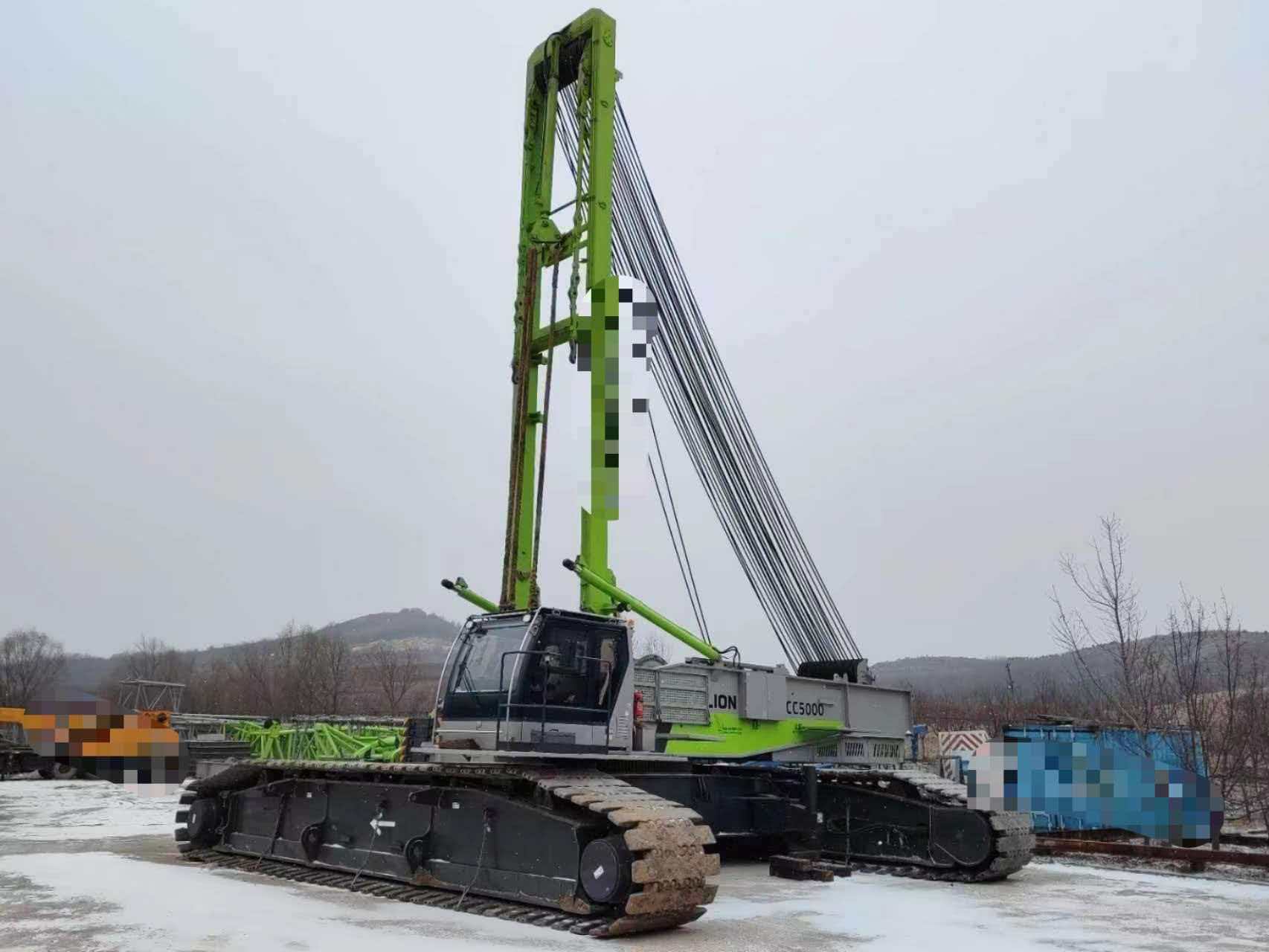
A used crawler crane can be a smart investment, but digging beneath the surface is essential to avoid expensive surprises. Start by scrutinizing the machine’s service logs—not just for routine oil changes, but for any major component rebuilds or weld repairs. Pay close attention to the undercarriage: uneven track wear, loose pins, or excessive play in the rollers often hint at years of demanding lifts or neglected tension adjustments.
Beyond the paperwork, let the crane’s own voice tell its story. Fire it up cold and listen for hydraulic hesitations, spooling lag, or unusual engine knocking, as these can signal deeper issues that a warm machine might mask. Inspect the boom and jib thoroughly, looking beyond surface rust for hairline cracks near weld joints or reinforcement plates—especially if the crane has worked in corrosive environments or handled loads near capacity limits.
Finally, consider the crane’s past life. A machine that spent years in precision lifts, like tilt-up panel work, may have led a gentler life than one used in aggressive pile driving or demolition. When possible, bring in an experienced technician to perform non-destructive testing on critical pins and bores, and verify that the load moment indicator is accurate rather than just present. A thorough evaluation now can keep your project running smoothly and your crew safe down the line.
Top Chinese Brands and Models Worth Considering
When you’re ready to move beyond the usual suspects, a handful of Chinese brands deliver striking quality without the premium price tag. In the smartphone arena, Xiaomi’s 14 Ultra blends Leica optics with a fearless design, while OPPO’s Find X7 dishes out buttery performance and a display that punches far above its class. For those more focused on photography, vivo’s X100 Pro and its ZEISS-powered lenses turn casual shots into frame-worthy prints.
Over in the EV sphere, BYD’s Seal has been quietly rewriting the mid-size sedan rulebook with an 800V platform and range numbers that make range anxiety feel like a distant memory. The NIO ET5 Touring adds European-wagon practicality to the electric mix, wrapped in a minimalist interior that wouldn’t look out of place in a design museum. Even traditional automakers are taking notes.
Don’t overlook DJI’s pocketable Osmo Pocket 3, a vlogging marvel that stabilizes footage so smoothly it’s addictive. And for a true home-integration edge, Huawei’s MatePad Pro pairs with its own ecosystem in ways that turn a tablet into a command center for your connected life. These aren’t copycats—they’re confident originals that deserve a spot on any shortlist.
Navigating the Import Process: Tips for a Smooth Transaction
One of the most overlooked aspects of importing is building a genuine relationship with your overseas supplier. Instead of treating it as a one-off transaction, invest time in understanding their production capabilities, local holidays, and communication style. A quick video call or a well-timed visit to their facility can reveal more than a hundred emails. When both sides feel like partners rather than just buyer and seller, issues like quality control and shipment delays get resolved much faster and with less friction.
Paperwork might feel tedious, but a single missing document can hold your goods at customs for weeks. Go beyond the standard invoice and packing list—familiarize yourself with the specific certificates, permits, or lab testing reports your product category requires in the destination country. It’s wise to prepare a customs clearance checklist before the shipment even leaves the factory and share it with your freight forwarder. Many seasoned importers also keep digital backups organized by shipment, so they can instantly pull up any record when questions arise.
Don’t underestimate the power of a robust inspection strategy. Relying solely on factory self-checks is risky; instead, use a mix of pre-production, during-production, and pre-shipment inspections by a trusted third-party. Couple this with a clear sampling procedure—approving a golden sample and then matching production against it—keeps expectations aligned. When discrepancies pop up, address them with a solutions-focused attitude rather than blame, and always build a small buffer into your timeline for the unexpected.”
Real-World Success Stories: How Businesses Saved with Chinese Used Cranes
A mid-sized construction firm in Texas faced a budget overrun on a major bridge project. Instead of leasing new equipment at a premium, they purchased a lightly used 50-ton Chinese crawler crane through a trusted broker. The machine arrived with under 2,000 working hours and full maintenance logs, costing them 40% less than a comparable Western model. It performed flawlessly through two years of heavy lifting, and the savings allowed them to take on an additional phase of the project they had almost turned down.
A port operator in Kenya needed to expand cargo handling capacity quickly but was constrained by tight capital. They acquired a pair of Chinese used mobile cranes from a Dubai-based reseller who had refurbished them to like-new condition. The cranes were deployed within weeks, and the total spend—including shipping and retrofitting—was roughly half the price of new European alternatives. Maintenance costs stayed low thanks to widely available parts, and the cranes remain in daily operation five years later, often outpacing older units from established brands.
In a more unconventional move, a wind farm developer in Brazil opted for a fleet of used Chinese rough-terrain cranes to assemble turbines in remote areas. The upfront investment was so manageable that they bought two extra units purely for backup, knowing downtime in those locations would be costly. When a gearbox issue sidelined one crane, the redundancy paid off instantly. The developer later noted that the total cost of ownership—including the spare crane—still came in under the quote they'd received for a single new German-made model.
Maintenance and Support: Keeping Your Investment Running Strong
Regular upkeep isn’t just about fixing what breaks—it’s about preventing surprises before they happen. By scheduling consistent check-ins, our team spots minor issues early and keeps your systems running at full capacity. Think of it as a health plan for your equipment, one that adapts as your needs evolve.
We offer more than a generic service package. Our approach combines hands-on expertise with proactive monitoring, so you get real solutions tailored to your setup. When something does need attention, you’ll talk to the same specialists who know your history—no endless call transfers or scripted replies.
Beyond quick fixes, our support structure includes detailed performance reviews and upgrade recommendations that align with your long-term goals. That way, you’re not just maintaining what you have—you’re positioning yourself for what’s next.
FAQ
China has become a major hub for construction machinery, offering a wide selection of used crawler cranes at significantly lower prices compared to Western markets. Many machines are well-maintained and come from reputable manufacturers, providing a cost-effective way to expand your fleet without compromising on lifting capacity.
Focus on the undercarriage and track condition, as these wear quickly in tough working conditions. Check the engine hours, maintenance logs, and boom integrity—any signs of poor welding or corrosion are red flags. If possible, have a local inspector test the hydraulics, swing system, and load moment indicator.
Work with trusted dealers who offer thorough inspection reports and maintenance histories. Many sellers now provide third-party certification or allow you to send your own inspector. Opting for well-known brands like XCMG, SANY, or Zoomlion also increases the chances of getting a machine that holds up over time.
XCMG's QUY series, SANY's SCC range, and Zoomlion's ZCC models are widely sought after for their balance of performance and price. The XCMG QUY50 and SANY SCC550E are common in the 50-ton class, while larger projects often turn to the Zoomlion ZCC2600 for heavier lifts.
Once you've selected and inspected the machine, the supplier handles loading and export documentation. Shipping is usually done via Ro-Ro or container, depending on size. You'll need a customs broker at your destination to clear the crane, pay applicable duties, and arrange inland transport. Expect the whole process to take 4–8 weeks from purchase to delivery.
Savings often range from 30% to 60% compared to a new equivalent model, depending on age and condition. For instance, a well-kept 50-ton Chinese crawler crane with moderate hours might cost $70,000–$100,000, whereas a new unit can exceed $200,000. This makes them especially attractive for short-term projects or fleet expansion on a budget.
Parts availability has improved dramatically, with many Chinese manufacturers now having international dealer networks or third-party suppliers stocking common components. You can also find online marketplaces and forums where operators share part numbers and maintenance tips. For major repairs, some buyers establish relationships with local independent mechanics experienced in Chinese machinery.
Conclusion
For construction companies seeking to maximize their lifting capabilities without straining budgets, used crawler cranes from China offer a compelling proposition. The initial savings compared to new equipment are significant, often allowing firms to acquire higher-capacity models or multiple units for the same investment. Beyond the purchase price, the availability of well-maintained, low-hour machines from major Chinese manufacturers like Zoomlion, SANY, and XCMG means reliability doesn’t have to be sacrificed. These brands have gained global recognition for engineering quality, and their extensive service networks simplify parts and maintenance. When evaluating options, focusing on critical factors such as load charts, undercarriage wear, and engine condition helps ensure the crane matches project demands while minimizing future downtime.
Navigating the import process requires due diligence—working with reputable dealers or verified platforms, verifying documentation, and arranging independent inspections can prevent costly surprises. Successful importers often share a common thread: they treat the transaction as a partnership rather than a one-time buy, building relationships with suppliers who offer post-sale support and guidance on logistics. Real-world examples show businesses reducing project costs by up to 40% while maintaining high safety and performance standards. Once the crane arrives, proactive maintenance using both OEM and local service expertise keeps it running efficiently for years. With careful planning, a used crawler crane from China becomes not just an affordable solution, but a strategic asset that supports growth in competitive markets.
Contact Us
Contact Person: Sally Xiao
Email: [email protected]
Tel/WhatsApp: 086-18221477398
Website: http://www.shjiliangchi.com/