

Best Used Forklifts for Your Warehouse Needs: A Comprehensive Guide
2026-05-31
Running a warehouse efficiently means making smart equipment choices—and when it comes to forklifts, used can be the sharpest move. But not every pre-owned lift truck earns its keep. At JILIANG CHI, we’ve spent years sifting through the market to find the ones that actually deliver. This guide cuts through the noise, helping you spot the best used forklifts tailored to your warehouse needs, so you save cash without sacrificing reliability. Ready to rethink what a used forklift can do?
Matching Forklift Types to Warehouse Layouts
Every warehouse has its own rhythm, shaped by aisle width, racking height, and inventory flow. Matching the right forklift to these physical parameters is less about horsepower and more about how the machine fits into everyday movements. Narrow aisles, for instance, demand compact reach trucks or order pickers that can pivot in tight spots without sacrificing lift height. A counterbalance forklift—while versatile—would become a liability here, constantly reversing and realigning, burning time and fuel.
Layout isn’t just about dimensions; it’s about throughput patterns too. In high-density, drive-in rack systems, a sit-down rider with good visibility and stability becomes essential, whereas a pallet jack won’t cut it for heavy, double-deep storage. Temperature zones add another wrinkle: cold storage layouts often use articulated forklifts that can handle frozen aisles without exposing operators to extreme chills every few minutes. For warehouses with multiple floor levels, a three-wheel electric forklift can glide between elevators and tight staging areas where larger models can’t even turn.
Ultimately, the best match feels invisible—the forklift blends into the workflow so smoothly that it hardly draws attention. This is where ergonomics and automation overlap: a stand-up reach truck with a swiveling control pod feels natural in a pick module, while a walkie stacker suits a low-volume retail backroom. Instead of forcing your layout to adapt to a one-size-fits-all machine, let the building’s bones guide the choice. That’s how you sidestep bottlenecks and keep the entire operation breathing easily.
Assessing Load Capacity and Lift Height Requirements
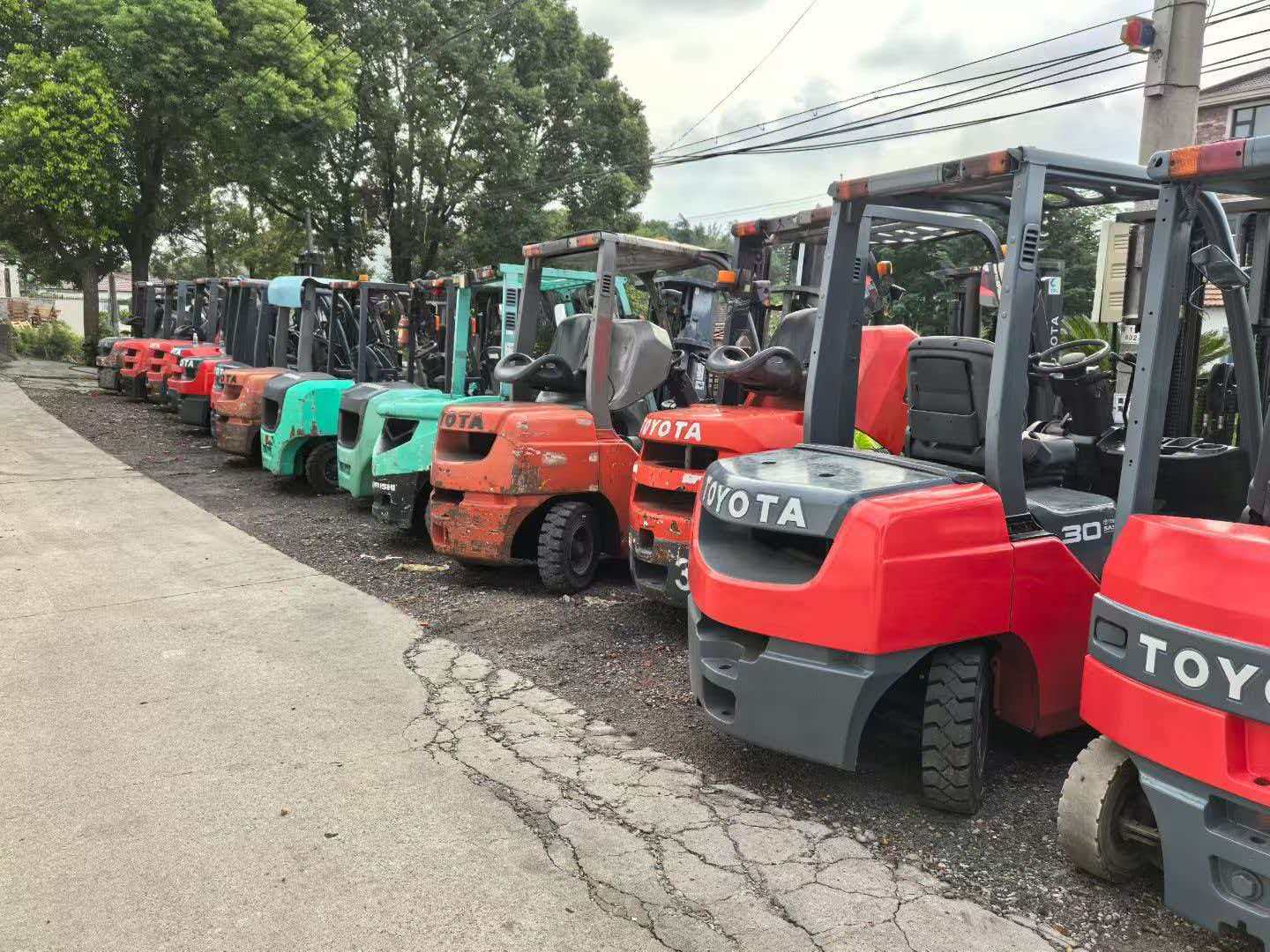
Getting the right lift starts with understanding what you'll be handling day to day. Load capacity isn't just a maximum number on a spec sheet—it's about how weight distribution, attachment type, and even tire condition can shift the real safe working limit. A forklift rated for 5,000 lbs at a 24-inch load center might struggle with a longer or oddly shaped load that pushes the center of gravity outward. Always factor in the weight of any attachments, as they reduce the net capacity available for the load itself.
Lift height requirements carry their own set of hidden complexities. It’s not just about the highest rack beam in your warehouse; you need to consider the added clearance for maneuvering the load into place, the mast's free lift capability inside containers or low-ceiling zones, and any de-rating that occurs at maximum extension. A lift that easily reaches 20 feet with a light load might become unstable if you’re routinely hoisting heavy pallets to that upper shelf. Overlooking these subtleties can lead to bumped ceilings, dropped loads, or worse.
Matching both load capacity and lift height to your actual workflow means observing operations on the floor. Watch how operators navigate tight aisles with full loads, measure the tallest stack with a safety margin, and account for floor gradients that tilt the mast and shift the load's center. The goal is a forklift that works within its engineered limits for every lift, not one that looks good on paper but strains under real conditions.
Fuel Options: Electric, Diesel, or LPG?
When weighing up energy sources for material handling equipment, the choice often boils down to a balance of operational demands, environmental goals, and total cost of ownership. Electric models offer whisper-quiet operation and zero tailpipe emissions, making them ideal for indoor settings like warehouses with strict air quality standards. Diesel remains the workhorse for heavy outdoor applications where raw power and quick refueling offset its emissions and noise. Meanwhile, LPG provides a flexible middle ground, delivering solid performance without the refueling downtime of electric battery swaps, though it still requires proper ventilation.
The real-world decision hinges on your daily workflow. If your operation runs multiple shifts with minimal downtime, electric might challenge you with battery management unless lithium-ion options are on the table. Diesel thrives in rugged, open-air yards where fuel is always at hand. LPG often suits mixed-use sites that transition between indoor and outdoor tasks, thanks to its cleaner burn than diesel and quicker tank exchanges compared to recharging. Look beyond the spec sheet: think about fuel storage, local emissions regulations, and even the ambient temperature, which can affect battery performance or LPG vaporization.
Cost considerations go beyond the pump or kilowatt-hour. Electric units often come with higher upfront investment but lower long-term maintenance, while diesel engines may incur more wear-and-tear costs but have cheaper fuel in many regions. LPG sits somewhere in between, with competitively priced fuel and moderate servicing needs. Don't overlook incentives for clean energy—many governments offer rebates for electric vehicles that can shift the math. Ultimately, the best fuel option is the one that aligns with your operational rhythm and sustainability targets, so test the equipment in your own environment before committing.
Navigating Aisles and Tight Spaces with Ease
If you've ever had to maneuver bulky equipment through narrow store corridors or squeeze past tightly packed shelves, you know how quickly a simple task can turn frustrating. The key lies in staying aware of your pivot points and planning two steps ahead. Instead of rushing, pause to scan the path for low-hanging signs, protruding displays, or uneven flooring that could trip you up. A slow, deliberate pace not only prevents collisions but also gives you a moment to adjust your grip if balance starts to shift.
Small adjustments in how you angle the load make a world of difference. Try walking slightly off-center behind larger items—this creates a natural clearance on one side and lets you angle through turns without scraping walls. For tight doorways, roll the item onto its narrow edge or tilt it diagonally while turning, using your body as a gentle bumper. When space gets truly cramped, don't hesitate to temporarily set the load down on a sturdy surface, reposition yourself, and lift again. Those extra seconds save you from strained muscles and damaged merchandise.
Above all, embrace the stop-and-reassess mindset. Rather than forcing a path and hoping for the best, treat each tight spot like a quick problem to solve. Lean into your peripheral vision, listen for subtle warnings like creaks or shifting contents, and trust that a smoother alternative route might exist just around the next aisle. These habits transform tight-space navigation from a stress trigger into a confident, controlled routine.
Total Cost of Ownership Beyond the Purchase Price
The sticker price is just the opening act. From day one, ongoing expenses like energy consumption, routine maintenance, and replacement parts quietly accumulate, often surpassing the initial investment over the product's lifespan. These hidden outlays can turn a seemingly budget-friendly choice into a costly mistake if they're not part of the upfront calculation.
Operational costs aren't the only drain. Factors such as training staff, integrating with existing systems, and downtime during repairs chip away at your bottom line. Even disposal fees or resale value at the end of its life play a role. Every decision ripple outward, making a holistic view essential for truly understanding what you'll spend.
Smart buyers look past the checkout screen. They evaluate efficiency ratings, warranty terms, and service accessibility before committing. A higher upfront price can actually mean lower overall costs when reliability and longevity enter the equation. It's the long game that separates a good deal from a constant financial headache.
Safety Features That Protect Your Team and Inventory
When heavy equipment is in motion, even a brief distraction can lead to serious accidents. That's why our latest models come with 360-degree proximity sensors that automatically brake when someone enters a predefined danger zone. These aren't just alarms that get ignored after a while — the system intervenes to stop the machine before a collision, whether it's a forklift on the warehouse floor or a pallet stacker in a narrow aisle.
Inventory losses often stem from improper handling or environmental factors. Our integrated stability control monitors load weight distribution in real time and adjusts the mast tilt to prevent tipping. Combined with temperature and humidity sensors inside the cargo area, you get instant alerts if conditions threaten sensitive stock. It's a proactive approach that catches issues before they turn into damaged goods or workplace injuries.
What really sets this apart is the data logging module. Every safety event — from a proximity trigger to a hard brake — is recorded in detail. Managers can review incident patterns without relying on anecdotal reports, making it easier to refine training and workflows. Over time, that data-driven insight reduces risk in ways that generic safety posters never could.
FAQ
Focus on lift capacity, mast height, fuel type (electric, gas, diesel), tire type (cushion or pneumatic), and overall condition. Check the hour meter, maintenance records, and look for signs of wear on forks, mast, and hydraulic systems. Also, match the forklift's maneuverability to your aisle width and turning radius needs.
Thoroughly inspect the forklift in person if possible. Examine the mast for cracks or welds, test the hydraulics for smooth operation, check tire wear, and look for leaks. Review service logs and engine/drive hours. A certified inspection by a qualified technician is highly recommended to uncover hidden issues like frame damage or electrical problems.
Electric forklifts have lower operating costs, zero emissions indoors, and quieter operation. They are ideal for warehouses where air quality and noise are concerns. Used electrics can be cost-effective, but check battery health carefully—replacement batteries are expensive. Consider charging infrastructure and expected duty cycle.
Calculate the maximum weight of your typical loads, including pallets and packaging. Add a safety buffer (e.g., 10-20%). Remember that capacity decreases at higher lift heights, so consult the forklift's data plate for the load center and deration chart. Don’t forget to account for any attachments that reduce rated capacity.
Start with a full fluid change (engine oil, hydraulic fluid, coolant), replace filters, and inspect belts and hoses. Check brakes, steering, and safety devices. For electric models, perform a battery load test and clean terminals. Schedule a professional service to catch any deferred maintenance and address wear items like tires and fork condition.
Toyota, Hyster, Yale, and Crown have strong reputations for durability and parts availability. Komatsu and Mitsubishi also offer solid options. However, brand doesn’t guarantee condition—focus on how well the unit was maintained. Some off-brands might be fine for lighter use if parts aren’t an issue.
Dealers often offer refurbished units with warranties, financing, and after-sale support, which can justify a higher price. Private sellers may have lower prices but typically sell ‘as-is’ with no guarantees. If you have in-house maintenance expertise and can inspect thoroughly, private sales can be a bargain. Always verify the seller’s reputation.
Conclusion
Finding the right used forklift goes far beyond simply picking a model with decent hours on the meter. Warehouse layouts vary dramatically—from wide-open bulk storage to high-density racking with narrow aisles—so a one-size-fits-all approach rarely works. Start by observing how your space actually flows: a reach truck thrives when vertical space needs exploiting, while a reliable counterbalance unit handles standard pallet movement out on the dock. Matching the forklift type to your floor plan cuts down on repositioning time and accidental rack damage. Closely tied to this is knowing your typical load weight and maximum lift height. A used three-wheel electric model might easily handle 3,000 pounds up to 20 feet day in and day out, but pushing those boundaries risks both safety and longevity. And fuel choice matters more than many assume—electric forklifts keep indoor air clean and running costs predictable, whereas diesel or LPG can offer more punch for outdoor yards and ramps, though they bring higher maintenance expense.
Maneuverability in cramped aisles can make or break daily efficiency, which is why options like articulating or narrow-aisle forklifts often deliver an immediate improvement in cycle times without requiring a warehouse remodel. Beyond the sticker price, the real cost story includes battery life, tire wear, scheduled service intervals, and parts availability—older units with a lean maintenance history can quickly erase any upfront savings. A careful look at brake performance, mast wear, and hydraulic lines during an inspection tells you as much about future costs as the purchase agreement does. Safety features aren't just checkboxes, either. Used machines should still provide clear overhead guarding, functional seat interlocks, responsive steering, and unobstructed visibility. When every shift depends on these machines, a model that protects both your people and your inventory isn't a luxury—it's a baseline requirement that you verify before signing off.
Contact Us
Contact Person: Sally Xiao
Email: [email protected]
Tel/WhatsApp: 086-18221477398
Website: http://www.shjiliangchi.com/